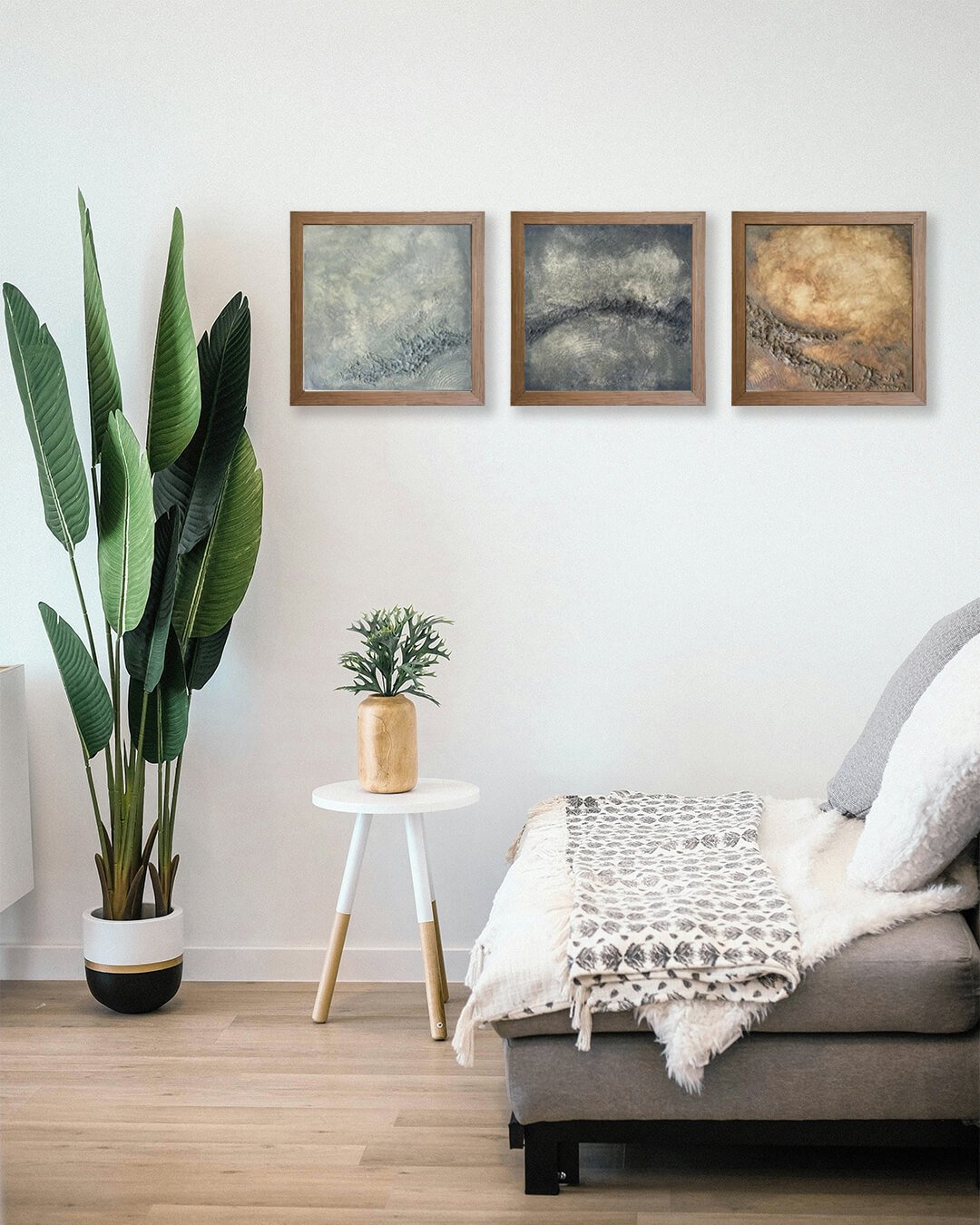
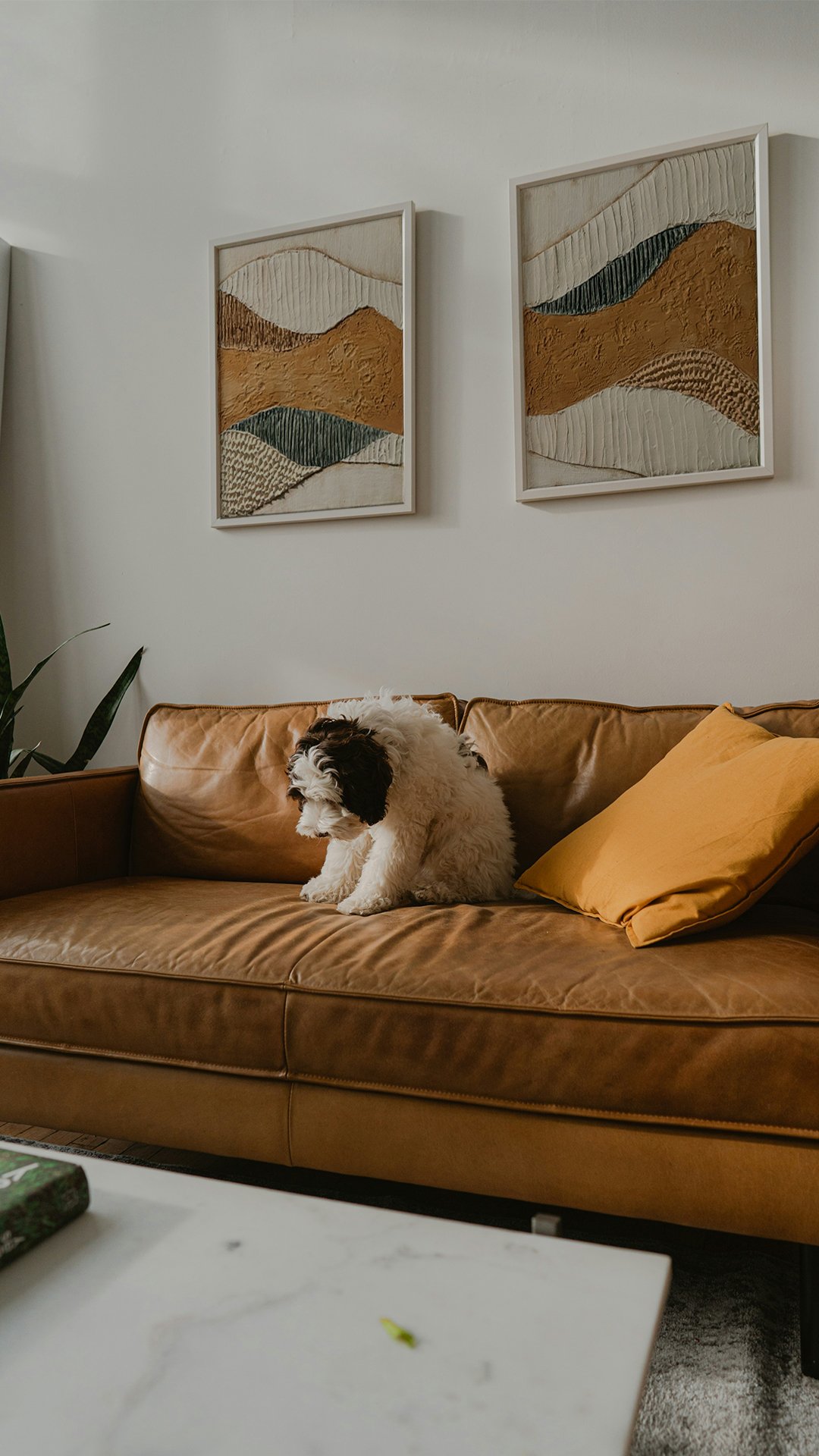
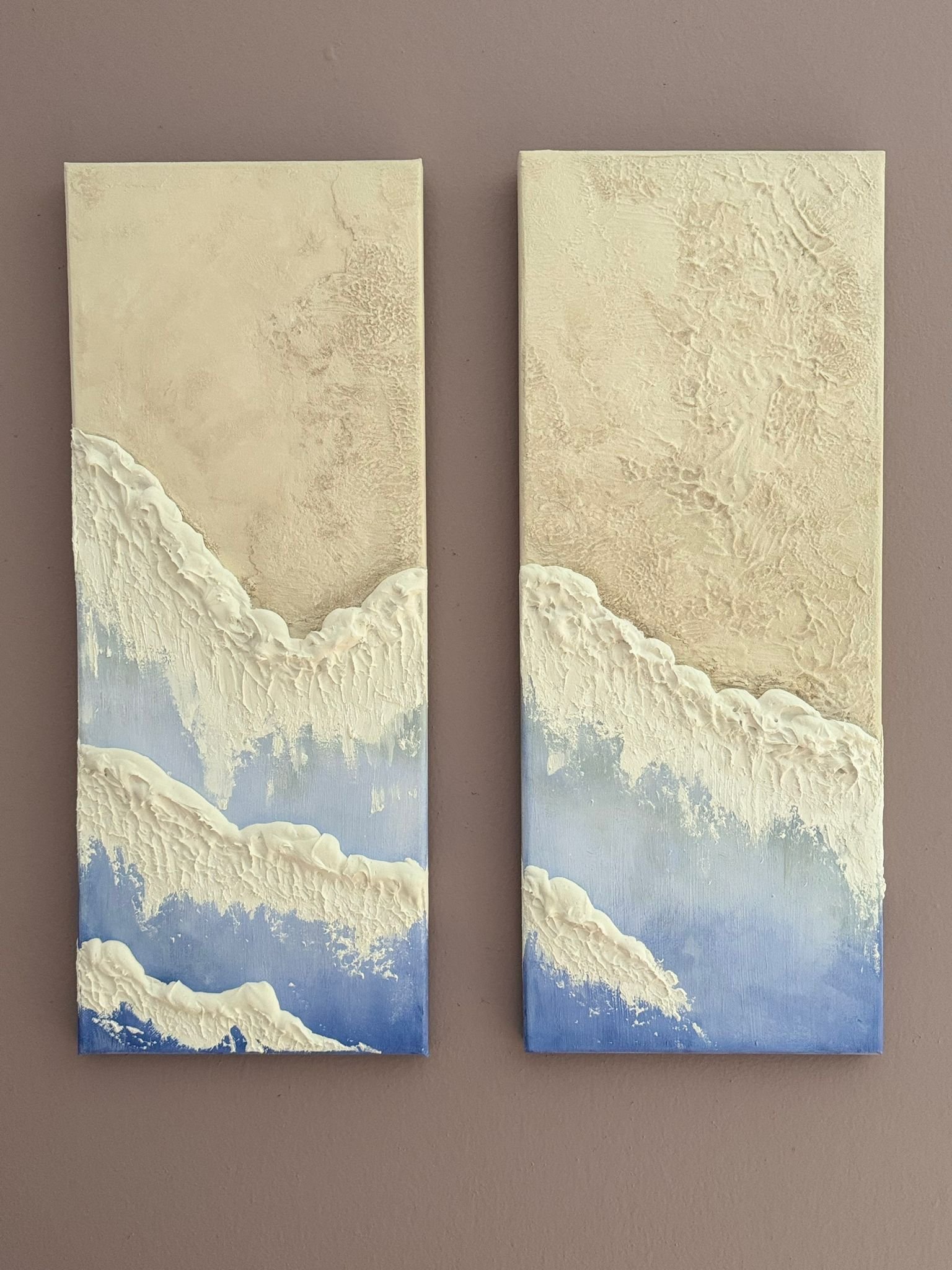
The growing demand for handcrafted textured wall decor isn’t just another home trend. It’s a reflection of how people want their homes to feel today.
More homeowners are moving away from generic decorations and looking for pieces that feel personal, meaningful, and connected to their lifestyle. Handcrafted wall art offers something that mass-produced décor often can’t: visible craftsmanship, texture you can actually notice, and a sense of authenticity that brings warmth into a space.
As someone who has always been drawn to organic interiors and nature-inspired design, I’ve noticed that people aren’t necessarily looking for “more stuff” anymore. They’re looking for pieces that feel intentional. Pieces that tell a story. Pieces that make a home feel like their own.

Because it feels real.
That might sound simple, but I think that’s exactly what makes this category so appealing.
Walk into a furniture showroom or scroll through a large online marketplace and you’ll notice something. Many pieces look almost identical. The colors are similar. The designs repeat. The overall feeling can be a little impersonal.
Handcrafted pieces create a completely different experience.
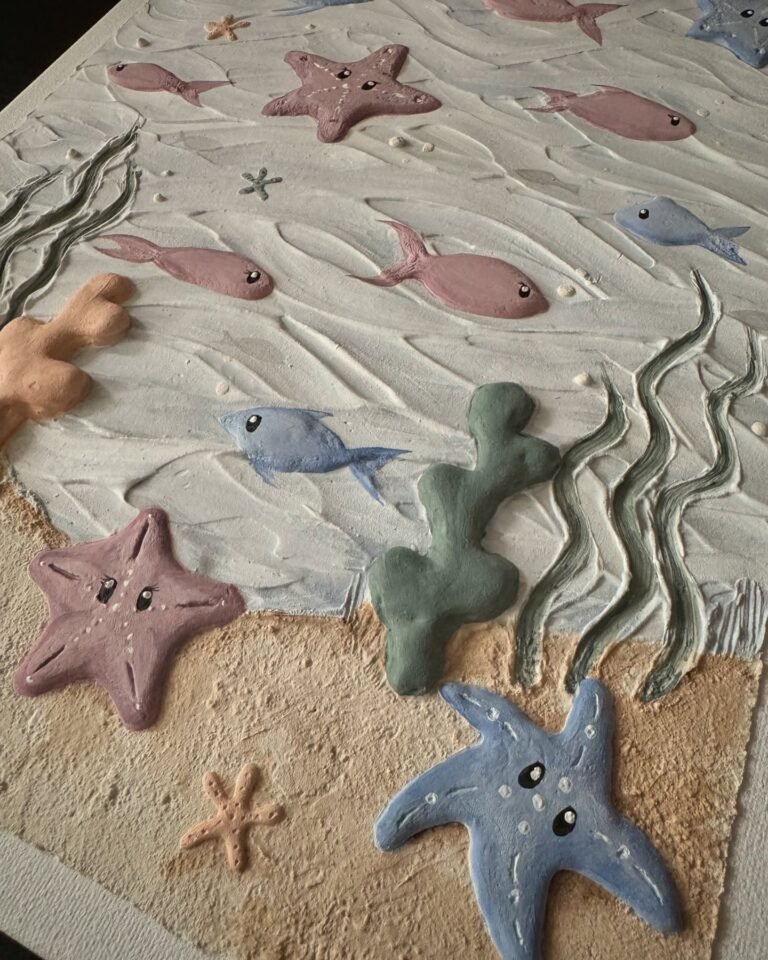
You can see the handcraft process in the details. Sometimes it’s a raised plaster finish. Sometimes it’s a visible brushstroke. Sometimes it’s the slight imperfections that make the piece feel alive rather than manufactured.
In a world where so many products are designed for speed and volume, craftsmanship stands out.
People want homes with personality. They want their décor to reflect who they are, not simply what was trending last month.
Texture helps a room feel layered, balanced, and inviting.
One of the biggest mistakes I see in interior projects is focusing only on color.
Color matters, of course. But texture is often what makes a room feel complete.
Imagine a living room with smooth painted walls, a smooth coffee table, smooth cabinetry, and smooth flooring. Even if the palette is beautiful, the room can feel flat.
Now introduce textured wall art.
Suddenly there’s dimension.
Natural light begins to interact differently with the surface. Small shadows appear throughout the day. The artwork creates movement without adding clutter.
That’s one reason textured wall art has become such an important element in modern interiors. It introduces a tactile quality that photographs don’t always capture but people immediately notice when they enter a room.
Texture helps:
For open-plan living layouts, this becomes even more valuable because artwork can help define different zones without adding physical barriers.
Absolutely.
Over the last decade, consumers have had more access to affordable décor than ever before.
But something interesting happened along the way.
As homes started to look increasingly similar, people began searching for ways to create a more personal touch.
We’re now seeing a growing appreciation for artistry, originality, and authenticity.
Many homeowners would rather invest in one meaningful piece than purchase several decorative accessories that don’t have much character.
That’s one reason handcrafted wall art continues gaining momentum.
It feels unique.
It feels intentional.
Most importantly, it feels connected to the people who live with it every day.

Because people connect with the story behind it.
A handcrafted piece often represents hours of work, experimentation, and creative decision-making.
That story becomes part of the object itself.
When I help clients select artwork, they’re rarely drawn to technical specifications. They’re usually drawn to how a piece makes them feel.
A sculptural artwork made with plaster and natural materials carries a different emotional weight than something created purely for mass reproduction.
Many buyers are no longer decorating simply to fill empty walls.
They’re decorating to tell a story about their home, their values, and their lifestyle.
Read about Psychological Benefits of Textured Wall Art
They’re influencing almost everything.
Consumers today are more aware of where products come from, how they’re made, and what happens after they’re purchased.
That awareness has pushed sustainability from a niche concept into a mainstream design priority.
Many artisan creators now work with sustainable materials, natural fibers, reclaimed resources, and eco-friendly production methods.
This aligns perfectly with broader interior trends that emphasize longevity over disposable decorating.
Instead of replacing décor every season, buyers increasingly prefer pieces they can enjoy for years.
The combination of sustainability, authenticity, and craftsmanship makes handcrafted artwork particularly appealing for modern homes.

Several major design movements are contributing to this growth.
Organic modern spaces combine clean architecture with natural textures.
Think soft curves, warm neutrals, terracotta accents, and materials that feel connected to nature.
Handcrafted artwork fits seamlessly into this style because it introduces texture without overwhelming the room.
Biophilic design continues to influence both residential and commercial interiors.
The goal is simple: create stronger connections between indoor spaces and the natural world.
Artwork inspired by landscapes, earth tones, natural fibers, and organic forms supports this approach beautifully.
Read: Biophilic Design: How Textured Wall Art Connects Your Home to Nature
We’re seeing fewer gallery walls and more oversized installations.
One large textured artwork can function as a visual anchor while maintaining a sense of simplicity.
One trend I personally love is the move toward calm and luxury.
Not luxury in an extravagant sense.
Luxury in the feeling of comfort, quality, serenity, and thoughtful design.
Textured artwork contributes to that atmosphere in a subtle but powerful way.

Large abstract works can transform a blank wall into a defining design feature.
They also help complement sofas, a rug, decorative accessories, and a carefully selected vase without competing for attention.
Entryways create first impressions.
A handcrafted piece immediately introduces character and personality.
Bedrooms often benefit from softer textures and muted hues that encourage relaxation.
Textured artwork can make dining spaces feel warmer and more intimate.
In open-plan homes, artwork helps create visual structure while maintaining flow between different functional zones.

Think about how the room is used.
A bedroom often requires a different mood than a family room or entryway.
Look at furniture, flooring, fabrics, and architectural finishes.
The goal isn’t perfect matching.
The goal is finding artwork that complements the overall palette.
A common mistake is choosing artwork that’s too small.
Many walls benefit from larger pieces that create stronger visual impact.
Some homeowners prefer subtle texture.
Others love highly sculptural surfaces.
Neither approach is right or wrong.
Choose what feels natural within your space.
Trends change.
A genuine emotional connection lasts much longer.
Learn Wall Art Size Guide: Choose the Right Art Size for Your Space
For many homeowners, yes. Handmade artwork often offers higher perceived value, stronger craftsmanship, and greater uniqueness than mass-produced alternatives.
Most pieces require only occasional dusting and basic care.
Absolutely. Texture can add dimension even when space is limited.
Earth-inspired tones, terracotta, warm neutrals, sand colors, and soft organic hues continue leading interior trends.
Yes. Many handcrafted pieces are specifically created to complement contemporary interiors.
Very much so. Personalization continues to be one of the strongest drivers behind purchasing decisions in the art and home furnishings market.
The growing demand for handcrafted textured wall decor isn’t happening because people suddenly discovered a new decorating trend.
It’s happening because homeowners want more meaning in the things they bring into their homes.
They want authenticity.
They want craftsmanship.
They want pieces that feel personal rather than mass-produced.
As we move through 2026 and toward 2030, I believe this shift will continue shaping interior design in meaningful ways. The homes people remember are rarely the ones filled with identical products. They’re the homes filled with carefully chosen pieces that reflect the people who live there.
And when it comes to creating that feeling, few elements are as effective as handcrafted wall art with beautiful texture, natural materials, and genuine artistry.
Sign up to grab 10% off your first order and be the first to hear about new drops and exclusive deals!