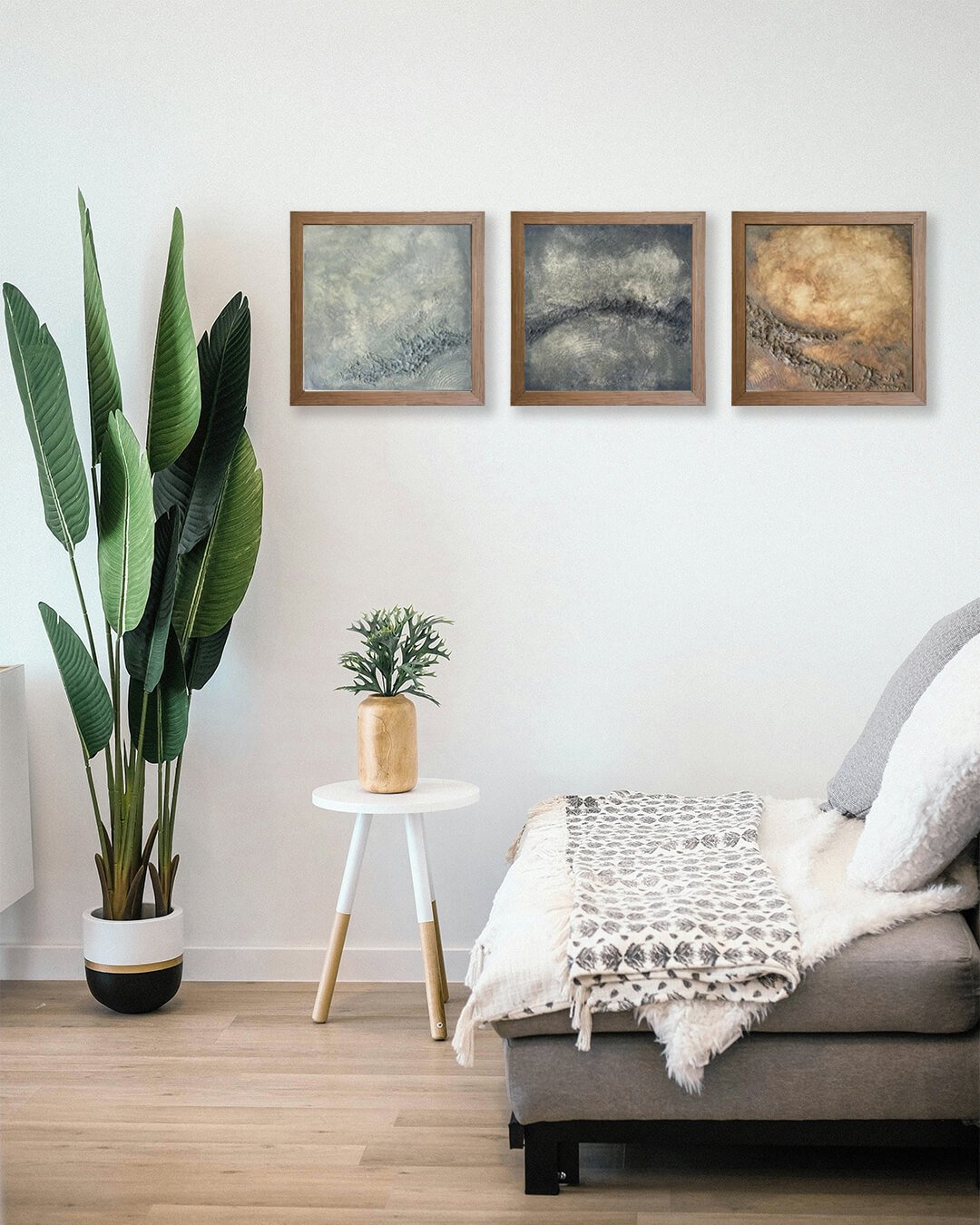
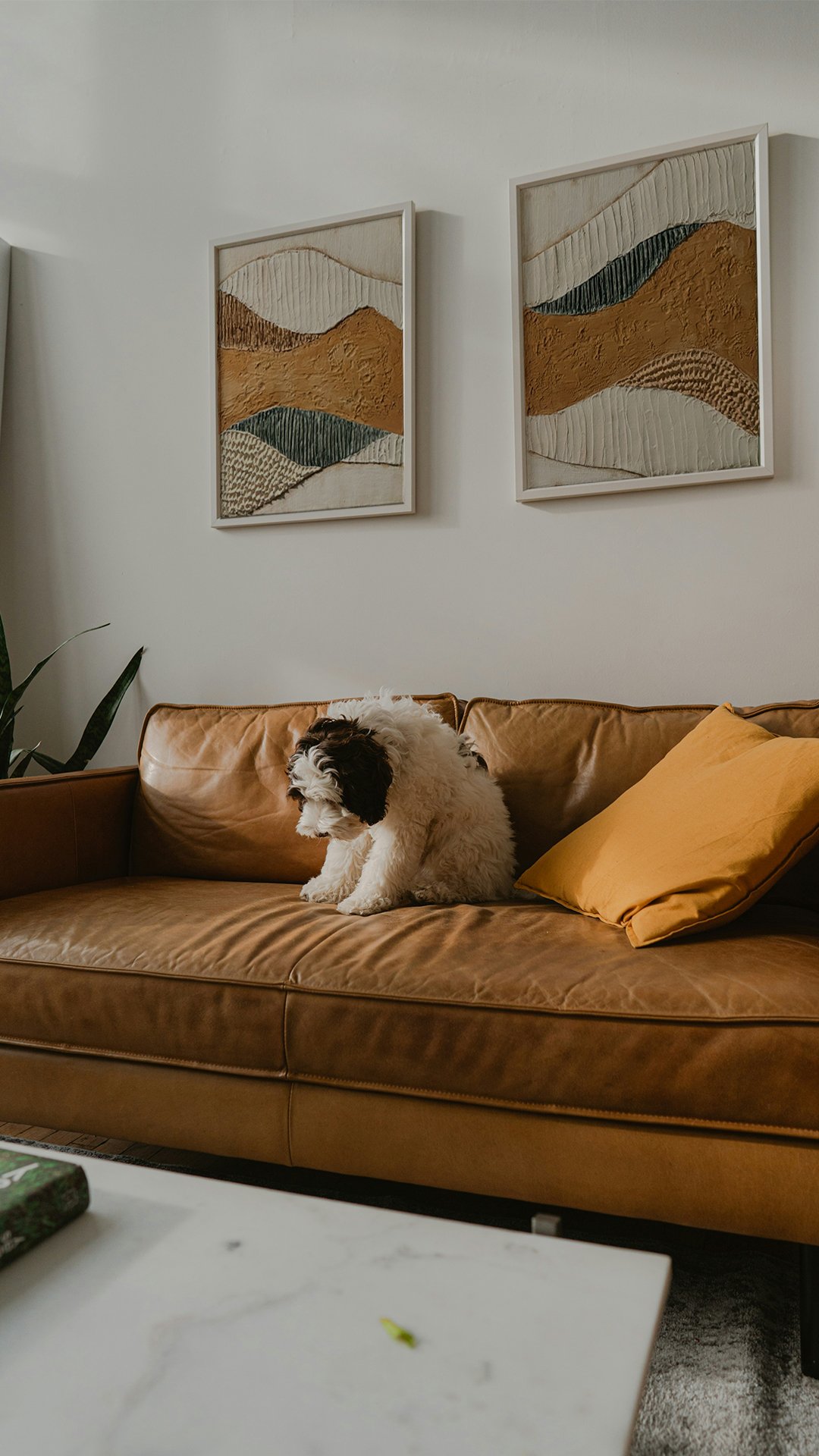
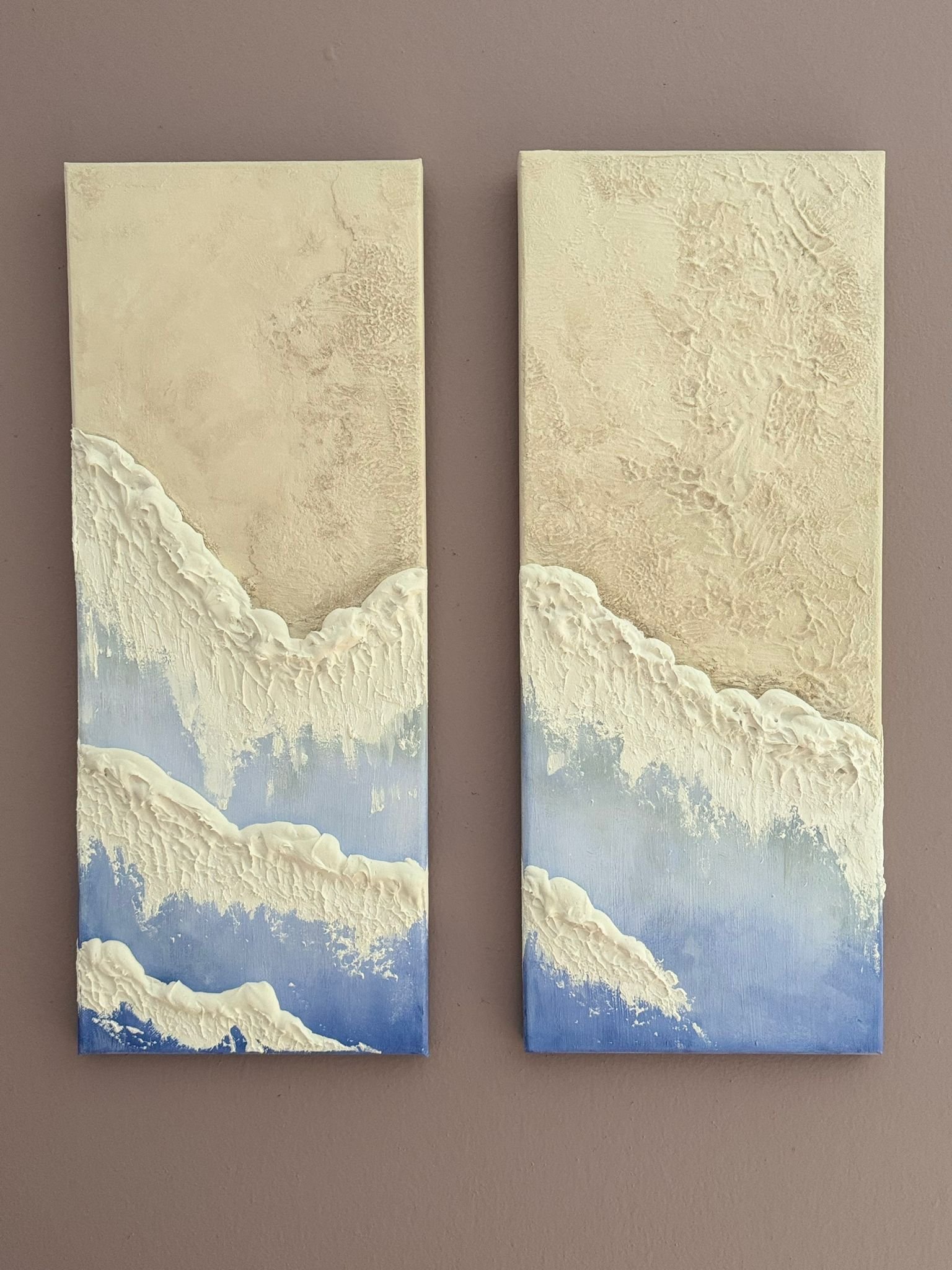
Biophilic design is an interior design approach that focuses on strengthening our connection to nature through materials, light, texture, greenery, and nature-inspired decor. In 2026, more homeowners are bringing those elements indoors because they want spaces that feel calmer, warmer, and emotionally restorative.
Textured wall art has become an important part of this movement. Unlike flat surfaces, textured artwork creates depth, softness, and a visual connection to the natural world. It helps modern interiors feel more grounded and less artificial.

Biophilic design is becoming one of the strongest interior movements because people want homes that feel healthier and more calming.
After years of overly polished interiors and fast-moving trend cycles, many homeowners are now prioritizing wellness, tranquility, and comfort.
Here’s why this design philosophy resonates so deeply.
Biophilia refers to the human connection to living things and the natural world.
That connection affects how we feel emotionally inside a space. Natural materials, greenery, landscape imagery, and organic textures can all contribute to a stronger sense of calm indoors.
This is one reason biophilic art has become more popular in both residential and commercial interior design.
A thoughtfully chosen piece of art can shift the atmosphere of an entire room.
Many people live in urban environments with limited access to nature.
As a result, interior spaces now carry more emotional importance than before. Homeowners want interiors that feel peaceful, restorative, and visually softer.
Nature-inspired interiors help create that feeling through:
This shift is especially noticeable in living rooms and bedroom spaces where comfort matters most.
Read: DIY Texture Paint: Add Depth to Canvas & Walls With Texture Techniques
Wellness is no longer limited to spas or self-care routines. It now influences how people decorate their homes.
Interior design trends increasingly focus on:
Biophilic interiors continue growing because homeowners associate nature-inspired spaces with emotional balance and reduced stress as is mentioned here.

Nature-inspired wall art often feels emotionally softer than heavily graphic or high-contrast decor.
The reason is simple. Organic forms feel familiar and grounding.
Texture plays a major role in biophilic design.
In nature, almost nothing is perfectly smooth. Stone, sand, bark, linen, leaves, and ocean waves all contain subtle texture variations.
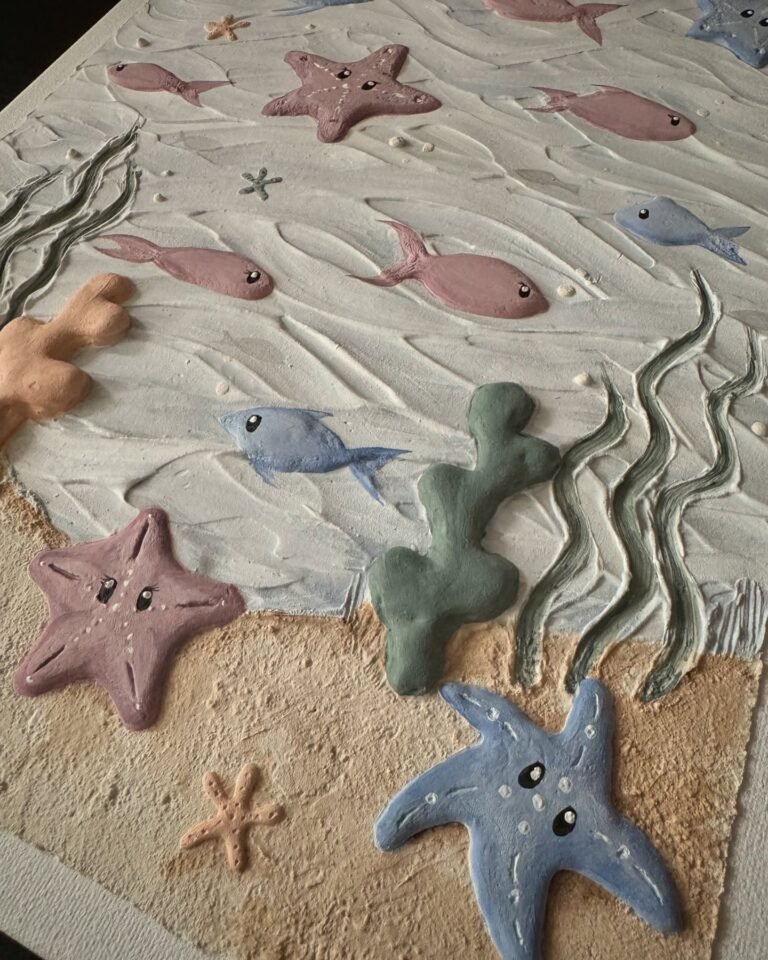
Textured wall art reflects those natural imperfections.
That tactile quality helps create a stronger connection to nature inside modern interiors.
Even abstract interpretations inspired by landscapes or greenery can feel calming when layered texture is involved.
Flat surfaces can sometimes feel cold or visually static.
Organic textures create movement through light and shadow. That movement adds warmth and visual interest without overwhelming the room.
This is why textured fine art continues replacing simpler wall decor styles in many nature-inspired interiors.
Popular examples include:
Natural light interacts beautifully with textural surfaces.
Throughout the day, shadows shift slightly across raised artwork, creating subtle variation and softness.
This effect feels especially calming in:
That quiet elegance is difficult to achieve with completely flat artwork.

Not all biophilic art looks the same.
Some pieces lean botanical. Others focus on abstract nature or earthy textures.
These are the styles currently leading the category.
Botanical artwork remains one of the easiest ways to introduce nature-inspired aesthetics into a home.
This can include:
Botanical wall art works especially well with:
Many homeowners now prefer abstract nature artwork instead of literal photography prints.
Abstract interpretations of beaches, forests, misty landscapes, or ocean waves feel more timeless and sophisticated.
These pieces blend naturally into minimalist interiors while still creating emotional warmth.
Soft earth tones and layered texture help maintain serenity throughout the room.
Moss wall art has become increasingly popular because it brings real texture and greenery indoors.
Many homeowners appreciate that preserved moss installations are relatively low-maintenance compared to live plants.
Moss artwork also supports:
Even smaller moss-inspired accents can strengthen the overall biophilic tone of a room.
Large-scale mural artwork is growing in popularity in modern interior spaces.
Instead of using several smaller frames, many homeowners now decorate with one oversized landscape-inspired mural or textured abstract canvas.
This approach creates a stronger focal point while maintaining calm visual flow.
Large-scale nature-inspired artwork works beautifully in:
Styling biophilic interiors does not require a complete renovation.
Small changes often make the biggest difference.
Living rooms benefit from layered natural textures.
A textured wall art piece above the sofa can anchor the room while creating warmth and visual connection.
We usually recommend combining:
This combination creates a cozy atmosphere without feeling overly themed.
Bedrooms work best when they feel quiet and restorative.
Nature-inspired artwork featuring misty landscapes, abstract ocean waves, or soft botanical texture helps support tranquility and serenity.
Soft fabrics like linen also reinforce the calming atmosphere.
Minimalist interiors benefit greatly from texture.
Without tactile contrast, minimalist rooms can sometimes feel flat.
Biophilic art introduces:
This balance helps minimalist spaces feel more livable.
Bathrooms, reading corners, and wellness rooms increasingly use spa-like aesthetics inspired by nature.
Textural wall decor paired with greenery, fragrance elements, and natural light creates a restorative environment that feels emotionally grounding.
Choosing nature-inspired wall art should feel intuitive and personal.
Here’s a simple approach.
Focus on tones already present in the room:
Consistency helps interiors feel cohesive.
Oversized artwork often creates a stronger visual connection than several smaller pieces.
One large textured canvas can completely transform a room.
Natural textures often feel more calming than glossy or overly polished finishes.
Look for:
You do not need to decorate every wall.
Biophilic interiors work best when they feel balanced and breathable.
If you enjoy textured DIY artwork and natural wall styling, you may also like:
You can also explore more wall art for homes and nature-inspired collections here.

The future of home design is becoming more emotional, sensory, and wellness-centered.
People want interiors that feel restorative instead of overstimulating.
Biophilic design supports that shift through:
This movement is not only about aesthetics. It reflects how people want to feel inside their homes.
Nature-inspired artwork helps modern interiors feel slower, softer, and more intentional.
That is why biophilic art continues growing beyond trend cycles.
Biophilic design is an approach that connects interiors to nature through materials, texture, greenery, natural light, and organic decor elements.
Nature-inspired artwork often uses soft tones, organic texture, and familiar natural forms that create emotional comfort and visual serenity.
Yes. Textured artwork adds depth and warmth while preserving the simplicity of minimalist spaces.
Earth tones, muted green shades, warm neutrals, sand colors, and botanical-inspired palettes work especially well.
Most preserved moss wall art is considered low-maintenance and does not require watering or direct sunlight.
Click here to find more inspo about Textured Art!

Sign up to grab 10% off your first order and be the first to hear about new drops and exclusive deals!