Minimalist living does not mean bare rooms and cold surfaces anymore. The trend that is reshaping interior design right now combines the calm clarity of minimalism with rich, tactile texture – and it is proving to be both more livable and more visually interesting than anything that came before it. This post covers what that combination looks like in practice, why it is gaining so much momentum, and how to make it work in your own home.
Key Points / Quick Summary
Minimalism is the practice of keeping only what is necessary and meaningful, both in your physical space and, increasingly, in the way you spend your time and money. In an interior design context, it is associated with clean lines, uncluttered surfaces, a restrained palette, and a preference for quality over quantity. But at its core, minimalism is a set of lifestyle choices about what you value and what you are willing to let go of.
The growing popularity of this way of life is well-documented. Vocal Media’s 2026 analysis of global minimalism trends notes that the movement’s rise is closely linked to real-world economic and environmental pressures: rising living costs in urban areas have pushed people to reassess their consumption habits, smaller living spaces have made excess belongings impractical, and increased environmental awareness has made sustainable choices more important than before. In short, minimalism is becoming not just appealing but genuinely practical.
There is also the wellness dimension. Studies in lifestyle psychology consistently link simplified environments to reduced anxiety and clearer thinking. A 2026 minimalism guide from Lifeminnt cites a 2025 Deloitte survey in which 78% of consumers said sustainability influences their buying choices – and notes that minimalism supports exactly those values by prioritizing quality, reducing waste, and resisting the pull of excess. Minimalism, in other words, is becoming a philosophy that aligns with how a lot of people actually want to live.
What this means for interior design is that minimalism is not fading. It is evolving. The people who have lived with minimalist aesthetics for years are not abandoning the philosophy – they are refining it. They are asking how to keep the simplicity and calm they love while making their spaces feel genuinely warm and human.

Minimalism is not a fad. A fad is something that rises quickly on novelty and disappears when the novelty wears off. Minimalism has been growing steadily for decades, and its current momentum is rooted in structural forces – economic, environmental, and psychological – that are not going away.
What makes minimalism stand the test of time is its adaptability. It is not a rigid set of rules. It is a framework that people apply differently depending on their needs, their space, and their values. A minimalist college apartment looks different from a minimalist family home, which looks different from a minimalist design studio. The common thread is intentionality choosing what stays, refusing what does not serve a purpose rather than a single fixed aesthetic.
Minimalist textured wall art is not just an aesthetic trend – for many people, it is a response to financial pressure, environmental concern, and the desire for a more manageable daily life. When it is practiced as a tool rather than an identity, it is consistently useful and adaptable. That practicality is what keeps minimalism relevant even as its visual expression changes.
Warm minimalism is the term designers are using in 2026 for the direction that contemporary minimalist interiors have been moving for the past few years. It keeps the core principles of simplicity and clarity – clean lines, uncluttered surfaces, a restrained palette – but replaces the cold, stark quality of classical minimalism with warmth, organic texture, and natural materials.
We can also say: if traditional minimalism was about less, warm minimalism is about less but better. The look is not about cluttering a minimalist space with accessories, but about layering texture, tone, and feeling – keeping spaces calm and pared-back while introducing enough warmth and depth to make them feel lived-in.
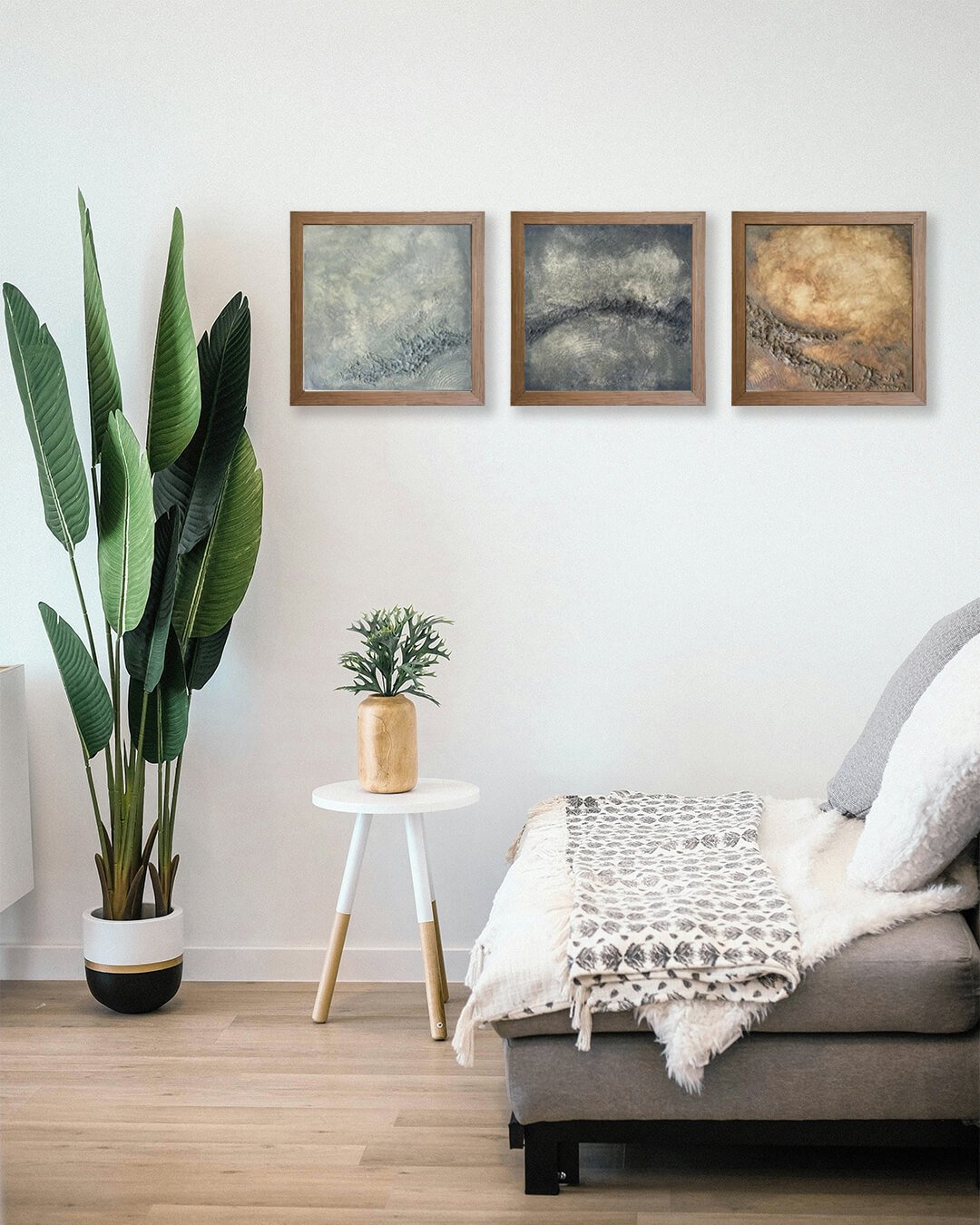
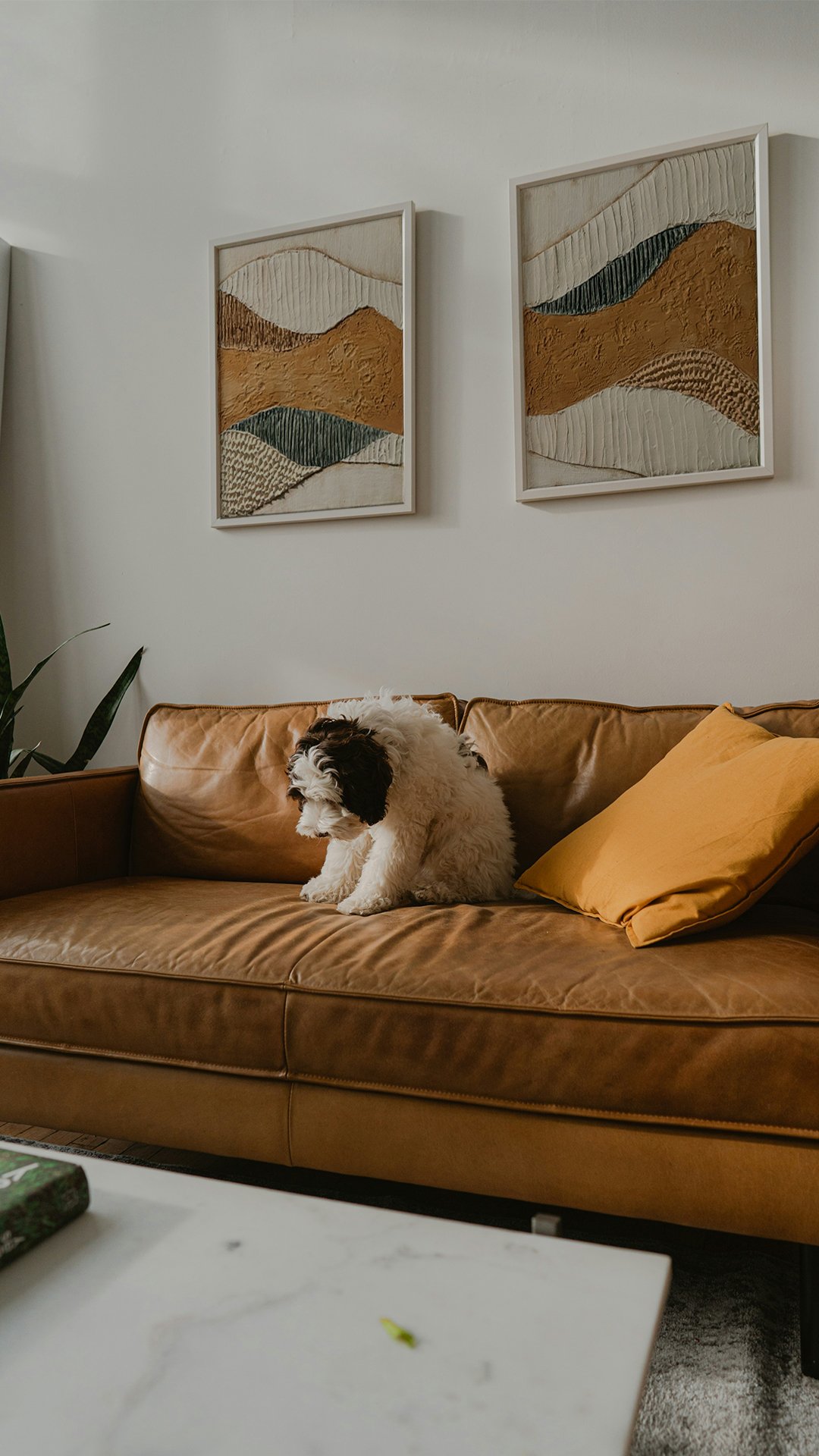
This is the design context in which textured wall art becomes especially significant. In a warm minimalist interior, the walls are not afterthoughts – they are part of the composition. A single large handcrafted piece with plaster-based texture in warm earthy tones does more for a room than a collection of small decorative objects, and it does so without breaking the room’s calm or introducing visual clutter.
Traditional minimalist design, at its most disciplined, could feel clinical. White walls, metal accents, glass surfaces, and furniture reduced to its most elemental form. Beautiful in photographs, often challenging to actually live in. The hue range was typically cool – lots of white, gray, and matte black – and the emphasis on negative space sometimes tipped into feeling spare to the point of cold.
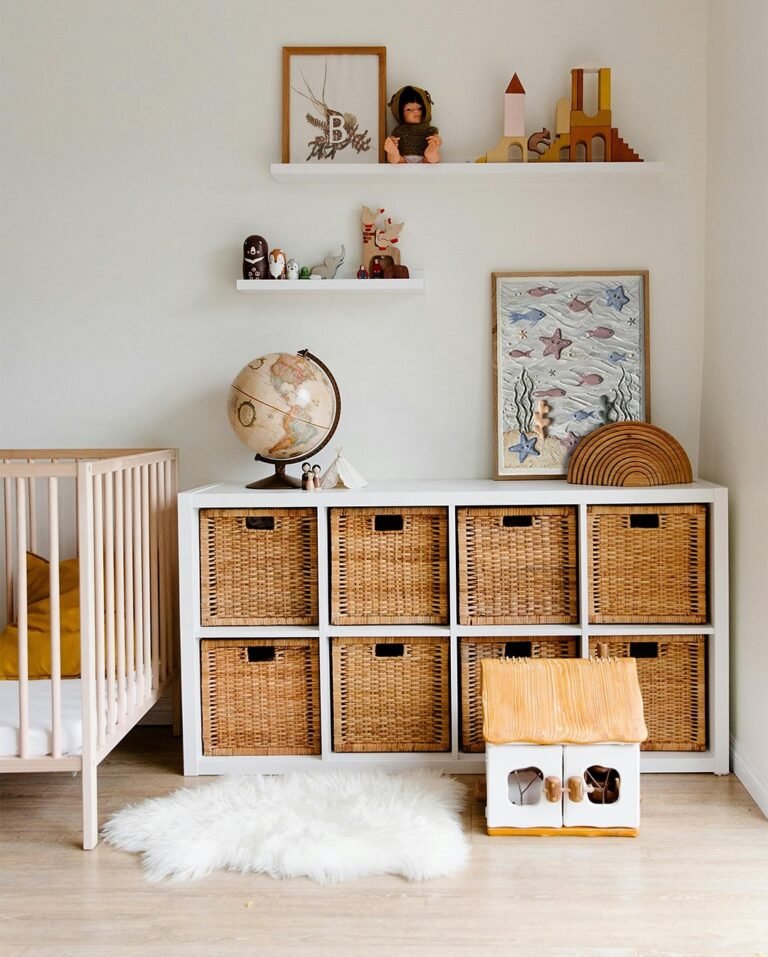
Warm minimalism starts from the same commitment to simplicity and restraint, but makes different material choices. Instead of metal, stone, and glass as the primary finishes, warm minimalism favors natural wood, linen, rattan, wool, clay, and plaster. Instead of cool white, the palette moves toward warm whites, creamy beige, soft ochre, sand, and muted sage. Instead of stark emptiness, it introduces the calm of negative space combined with the warmth of natural surface variation.
The new approach values quality over quantity with fewer items chosen for durability, craftsmanship, and story – alongside textural richness through layers of natural materials that feel considered without being ornate. The difference is not about adding more. It is about choosing better.

Texture is the defining tool of warm minimalism because it solves a specific problem: how do you add visual richness and warmth to a space that has deliberately removed pattern, color contrast, and decorative accumulation?
The answer is surface variation. In minimalist spaces, texture often replaces pattern as the main source of depth and interest, as Urban Road’s 2026 design trend analysis explains. Textural richness in a minimalist room does not overwhelm – it adds richness without visual clutter, working especially well in neutral interiors where depth needs to come from the surfaces rather than from color. When you take pattern and strong color out of the equation, texture steps in to keep the room from feeling flat.
This is why a linen sofa feels more interesting than a synthetic one even at the same price. It is why a jute rug reads as more considered than a plain flatweave. It is why a handcrafted plaster canvas on a wall has a visual weight and presence that a flat print simply cannot match. Each of these elements contributes texture at a different layer – furniture, floor, wall – and together they create a space that feels full without feeling crowded.
Read How Textured Art Complements Different Interior Design Styles
The textures that work best in a minimalist home share a few qualities: they are organic rather than patterned, they have quiet variation rather than dramatic contrast, and they come from natural materials or materials that evoke natural surfaces.
Here is the material range that works most reliably:
Linen and natural textiles. Linen upholstery, linen curtains, and linen bed covers all bring a soft, natural textile quality to a room that feels warm without demanding attention. It is a material that recedes gracefully.
Wool, rattan, and fiber. A wool rug underfoot, a rattan bookshelf or side chair, a woven blanket on the sofa – each of these introduces a natural tactile quality at the surfaces people touch and use most.
Wood with visible grain. Furniture in natural wood with an uncoated or lightly oiled finish shows the material honestly. This is a core element of minimalist spaces that are also warm.
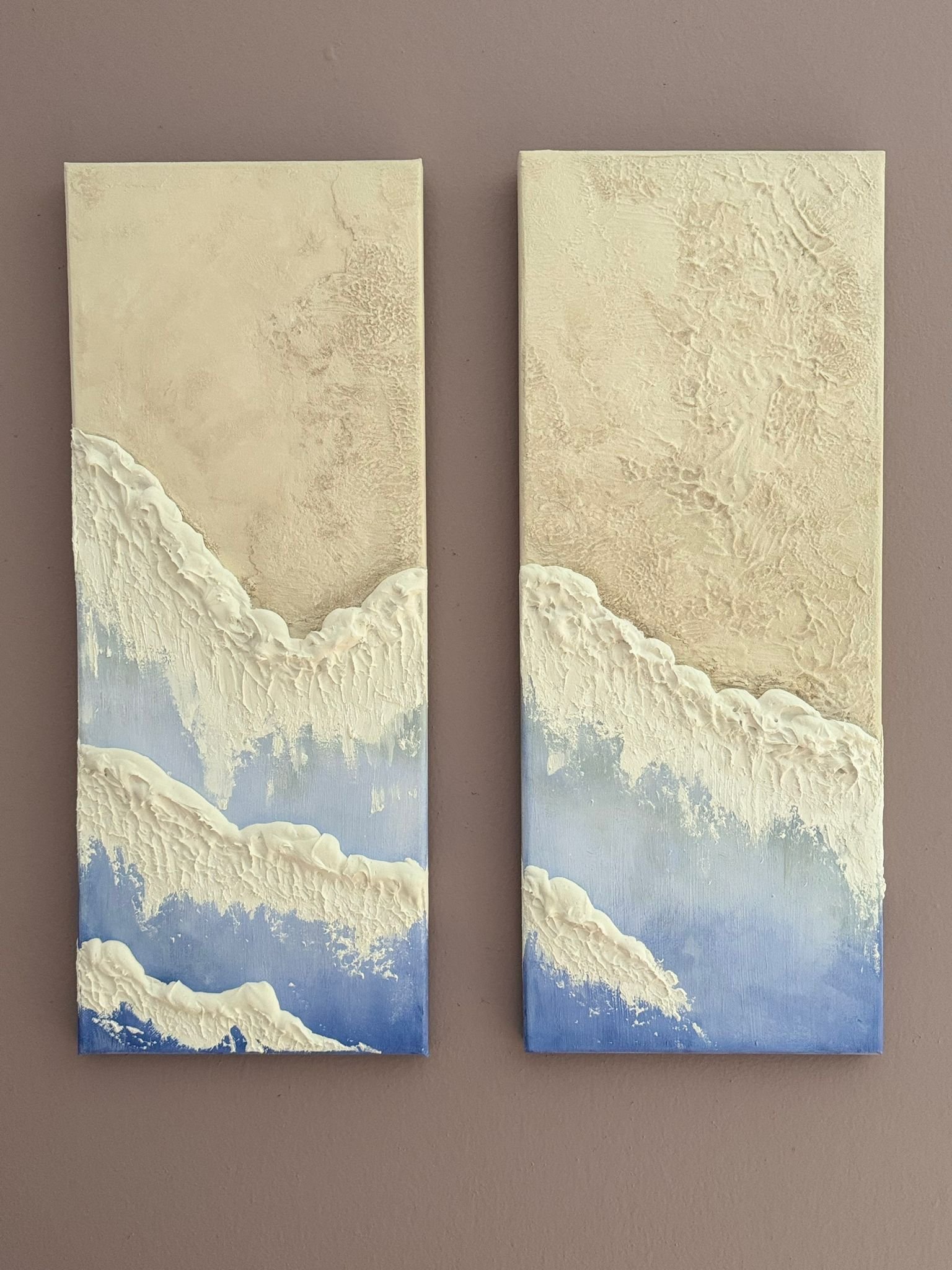
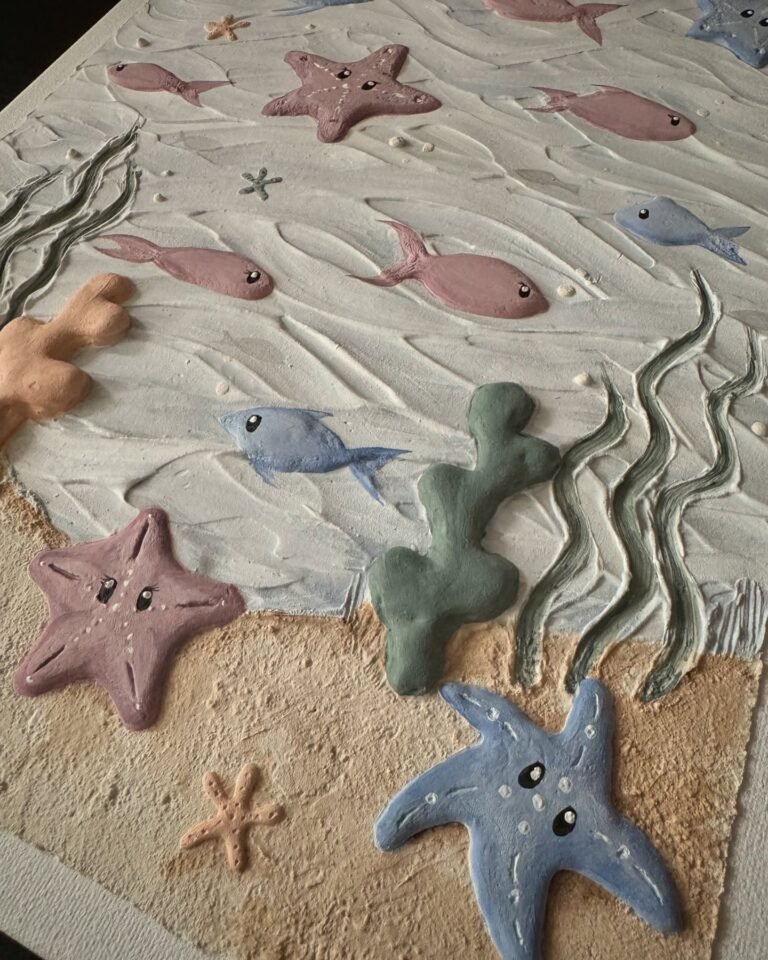
Plaster and clay-based wall surfaces. Whether applied directly to the wall or to a canvas, plaster has a quiet, mineral-rich texture that reads as both timeless and deeply natural. It is the surface quality that bridges architecture and art.
Handcrafted textured wall art. A piece of plaster-based or mixed-media wall art is where all of these ideas converge. It adds texture to the largest surface in the room – the wall – using natural materials, in a form that requires no additional furniture or floor space. In a minimalist space where every element is considered, a single large handcrafted textured canvas is often the highest-impact addition you can make.

This is a direct answer to a question we hear often: why go to the trouble of approaching a minimalist space with intentional texture rather than simply keeping things sparse? Here are the ten most compelling reasons.
This is the practical process. It is not complicated, but the order matters.
Step 1: Declutter before you add anything Decluttering is not optional here. The entire logic of warm minimalism depends on a reduced field of objects so that the texture and quality of what remains can be seen clearly. If the room is still full of extraneous things, adding texture will not read as intentional – it will just add to the visual noise. Minimize first.
Step 2: Identify the dominant neutral in your room What is the base hue of your walls, floor, and main furniture? If it is a cool white or gray, you may want to shift toward warmer tones in the materials you add. If it is already warm – beige, sand, oak – you have more latitude. Identify the base before selecting any additions.
Step 3: Start with the wall The wall is the largest surface in a room and the highest-leverage starting point. One large handcrafted textured canvas in a tone that complements your base palette will do more for the room than anything else. Find the primary wall – usually the one you look at when seated – and place the art there first.
Step 4: Add a natural fiber underfoot A wool or jute rug in a neutral color anchors the room and introduces texture at the level where people physically experience the space most. This is often more impactful than people expect from what seems like a functional piece.
Step 5: Introduce soft furnishings in earthy, natural textiles A linen throw on the sofa, a pastel or natural-toned boucle cushion on a chair, a wool blanket folded on a bookshelf. These are small, inexpensive additions that build the room’s tactile story without requiring any furniture changes.
Step 6: Replace one or two bulky, synthetic objects with single high-quality natural ones This is the step most people skip: the active removal of something in exchange for something better. A synthetic cushion cover replaced by linen. A mass-produced print replaced by a handcrafted piece. This exchange is where minimalism and texture merge into something that actually feels considered.
Step 7: Audit the light Natural light is what makes textured surfaces show their depth. Make sure the main windows are not blocked, and add at least one warm-toned lamp angled at the most textural surface in the room – usually the wall art. The right light does not just display the room; it reveals it.

This is the question most people arrive at after they have decided they want to add texture to a minimalist space but do not want to add clutter. The answer is consistent: one well-chosen, handcrafted piece of textured wall art in the right scale, the right palette, and the right material for the room.
Here is why this works better than the alternatives. A gallery wall of many small prints adds visual complexity – which is the opposite of what a minimalist space needs. A row of framed botanical posters adds decoration without adding depth. A single piece of plaster-based or mixed-media canvas art adds texture, warmth, and presence simultaneously, in a form that occupies wall space rather than floor space or shelf space.
The modernist principle at work here is that a single, high-quality element has more impact than many lower-quality ones. In a minimalist interior, this is not just an aesthetic preference – it is structural to how the room works.
A few specific guidelines for minimalist spaces:
Scale is critical. In a minimalist room, art that is too small looks like it got lost. Aim for a canvas that occupies approximately two-thirds the width of the furniture below it. For a free wall in a larger room, go bigger than you think you need.
Neutral color palette is almost always the right choice. Warm white, sandy beige, pale clay, soft stone, muted sage – pieces in this range will integrate with any minimalist interior without demanding to be the center of attention. They let the texture do the work.
Look for surface complexity in a quiet palette. The best minimalist textured art has a lot going on when you look closely – ridges, layers, organic variation – but reads quietly from across the room. It rewards attention without demanding it.
Choose organic forms over geometric ones. Strictly geometric abstract pieces can feel cold in a warm minimalist interior. Organic, asymmetric forms in earthy materials feel grounded and natural, which is the quality warm minimalism is reaching for.
Our Minimalist Wall Art Collection is built exactly around these criteria – handcrafted plaster canvases in warm neutral textured art and earthy palettes designed to work in contemporary minimalist spaces.
If you are interested in understanding how these surfaces are made – or in making your own as a starting piece – our blog on DIY Textured Canvas Art Ideas for Wall Design covers the key techniques step by step.
These are the practical details that separate a warm minimalist room that works from one that just has things in it.
One anchor, several supports. The textured wall art is the anchor. Everything else – the textile, the rug, the few ceramic or natural objects – supports it. The anchor sets the tone and the supports reinforce it. If you have two anchors, neither one works.
Subdue the color, expand the texture range. The palette should stay tight – two to three related warm neutrals. The texture range can be wide: smooth stone, rough linen, soft wool, ridged plaster. The color restraint is what allows the texture variety to register as richness rather than noise.
Display carefully, edit ruthlessly. Every surface that has something on it is making a claim on the room’s attention. A bookshelf with three well-chosen objects on it looks intentional. The same shelf with twelve things on it looks like it was not edited. Edit until the display feels calm, then stop.
Use natural materials rather than the synthetic alternatives. Every time you have a choice between a linen and a polyester version of something, choose linen. Between real rattan and printed rattan-look, choose real. The difference in how the room feels is not subtle.
Let negative space do actual work. Negative space in a minimalist home is not empty space – it is breathing room. The space around a textured canvas, the gap between objects on a shelf, the unoccupied floor area – all of these are part of the composition. Protect them.
Avoid anything bulky. In a minimalist space, bulky furniture or heavy decorative objects compete with the texture story you are trying to tell. The furniture should be scaled right and well-proportioned. The art and textiles carry the tactile interest; the furniture carries the functional work.
Think in layers. Floor, wall, sofa, soft furnishing. Each layer should have one material that contributes to the overall texture story – earthy rug, plaster canvas, linen sofa, wool throw. Four layers, four textural contributions. That is enough.
Q: Can you truly be a minimalist and still have art on your walls?
A: Yes, absolutely. Minimalism is about choosing fewer things with more intention – and a single, well-chosen piece of handcrafted textured wall art is exactly the kind of intentional, high-quality element that minimalist principles support. In fact, art in a minimalist space has more presence and more impact than it does in a crowded one, because nothing is competing for attention around it.
Q: What is the difference between minimalism and minimalist design?
A: Minimalism as a lifestyle and mindset covers much more than the visual appearance of a room – it includes how you approach consumption, time, commitments, and possessions. Minimalist design is the visual and spatial application of those same principles: clean lines, restrained palette, high-quality materials, and an uncluttered interior. The two reinforce each other, but you can practice one without fully committing to the other.
Q: Is warm minimalism just minimalism for people who could not commit?
A: No, and this framing misunderstands what warm minimalism is doing. It is not a compromise for people who wanted minimalism but could not let go of their stuff. It is the natural evolution of minimalist design as designers and homeowners learned to distinguish between the things that minimalism was genuinely useful for – reducing clutter, maintaining calm, choosing quality – and the things that were just arbitrary stylistic rules, like keeping everything cold and white. Warmth is not a betrayal of minimalism. It is what makes minimalism livable.
Q: How do I keep a minimalist home from feeling boring?
A: Texture is the answer. When pattern and color are restrained, surface variation becomes the main source of visual and sensory interest. A handcrafted textured canvas, a well-chosen linen textile, a natural wood finish, a rattan detail – these are the elements that make a minimalist space feel interesting and genuinely beautiful rather than simply empty.
Q: Can a minimalist home feel cozy?
A: Yes, and warm minimalism exists precisely to address this. The combination of a neutral color palette, natural materials, soft lighting, and a tactile textile layer creates a room that is simultaneously uncluttered and genuinely warm. The cozy quality comes from the materials and the light, not from accumulation.
Q: How do I add texture on a budget?
A: Start with soft furnishings – a linen or cotton throw, a natural fiber cushion cover, a wool or jute rug – before investing in wall art or furniture. These are the lowest-cost entry points and they make a measurable difference. Once those are in place, a single well-chosen piece of textured wall art, scaled correctly for the room, will complete the story. You do not need to address everything at once.
Q: Is minimalism compatible with sustainability?
A: Very much so. Choosing fewer, higher-quality pieces in natural materials, avoiding trends that require constant replacement, and focusing on durability over novelty are all both minimalist and sustainable practices. A 2025 Deloitte survey found that 78% of consumers cite sustainability in their purchasing decisions – and minimalist principles align directly with those values by prioritizing craftsmanship, longevity, and intentional consumption over volume.
Minimalism is not going anywhere. What is changing is what we expect from it. The version that asked us to live in sparse, cool, almost museum-like spaces served a purpose – it cleared out the noise and made us think harder about what actually belonged. But the next version, the one that is dominant in 2026, keeps that discipline while adding back the human qualities that make a home feel real: warmth, texture, organic materials, the evidence of craft.
A minimalist home with maximum texture is not a contradiction. It is the most refined version of the idea – fewer things, each one chosen with care, each one contributing something tactile, warm, and lasting to the room.
We built our collection with exactly this kind of home in mind. Every piece is handcrafted, organic in material and form, designed to work in the kinds of clean, considered spaces that warm minimalism creates. If you are ready to add texture to your minimalist home without adding clutter, we would love to help.
Browse the full collection at My Home Art & Decor, or explore how other design styles use textured art in our companion blog on how textured art complements different interior design styles.


Sign up to grab 10% off your first order and be the first to hear about new drops and exclusive deals!