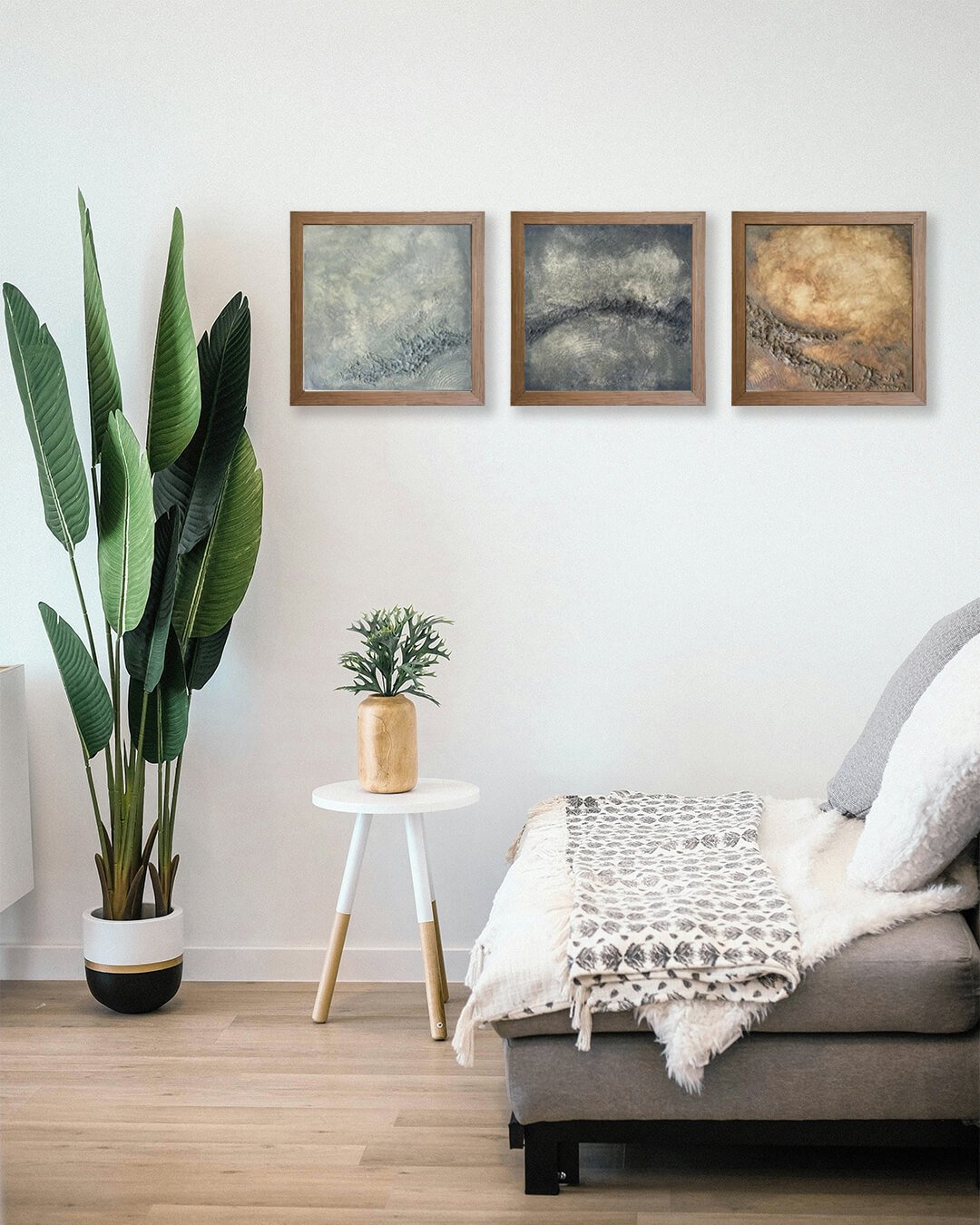
Textured wall art does more than decorate a room. It changes how a space feels emotionally and visually. In modern interiors, texture creates depth, softness, calm, and a stronger sensory connection to the environment around us.
Over the last few years, interior designers have started paying closer attention to how artwork affects mood, focus, and relaxation. That shift explains why textured abstract art and sculptural wall decor continue growing in popularity across wellness-focused homes.

The psychological benefits of textured wall art are connected to how our brains respond to visual and tactile environments.
Flat surfaces tend to feel visually passive. Texture creates movement, dimension, and sensory richness. Even when we are not physically touching an art piece, our eyes still interpret texture as something tactile and immersive.
That subtle reaction can transform how an interior feels.
A thoughtfully curated textured wall immediately adds:
This is especially important in modern interiors where minimalism sometimes creates spaces that feel emotionally distant.
Textured artworks soften those environments naturally.
Texture slows visual processing in a very gentle way.
Smooth flat walls often feel static. Layered textures create softer transitions between light and shadow, which makes interiors feel more serene and balanced.
Neutral textured artwork helps reduce the sharpness often found in contemporary spaces.
That is one reason why textured canvas wall art works beautifully in:
Organic composition and abstract paintings with subtle movement help evoke relaxation without demanding constant visual attention.
Interior design has become increasingly wellness-focused.
People want interiors that feel restorative instead of overstimulating.
Natural layered materials such as:
It helps interiors resonate emotionally because they mimic imperfect surfaces found in nature.
According to research published by Psychology Today, textured and nature-inspired environments can positively influence mood and emotional regulation.

Interior designers increasingly use texture because it creates a stronger visual and emotional experience inside a room.
Modern spaces often rely heavily on:
Without texture, those interiors can sometimes feel unfinished.
A large-format canvas with raised surfaces immediately creates dynamic visual movement.
That added layer helps interiors feel more complete.
Highly textured abstract wall art also changes throughout the day depending on:
This gives the artwork a more immersive quality compared to flat prints.
Sculptural artwork naturally draws the eye.
In many modern interiors, one oversized textured art piece becomes the focal point of the entire room.
This approach works especially well above:
Instead of overcrowding a room with multiple frames, one large textured canvas creates calm visual structure.

Wellness-centered interior design is becoming one of the strongest trends in home décor.
People are becoming more intentional about how their spaces affect stress, focus, and emotional comfort.
Texture in art creates a sensory experience.
Our brains naturally respond to:
These details help interiors feel more human and emotionally grounding.
That is why textured art often feels calmer than overly polished surfaces.
Abstract wall art leaves room for emotional interpretation.
Unlike literal imagery, abstract paintings allow each homeowner to connect differently with an artwork.
Some people see movement.
Others feel serenity.
Others respond to tone, composition, or texture.
That flexibility makes textured abstract art especially powerful inside personal living spaces.
Read Biophilic Design: How Textured Wall Art Connects Your Home to Nature
Not all texture creates the same emotional response.
Some textured artworks feel energetic and dramatic. Others feel soft and tranquil.
The goal is choosing artwork that supports the ambiance you want inside your interior.
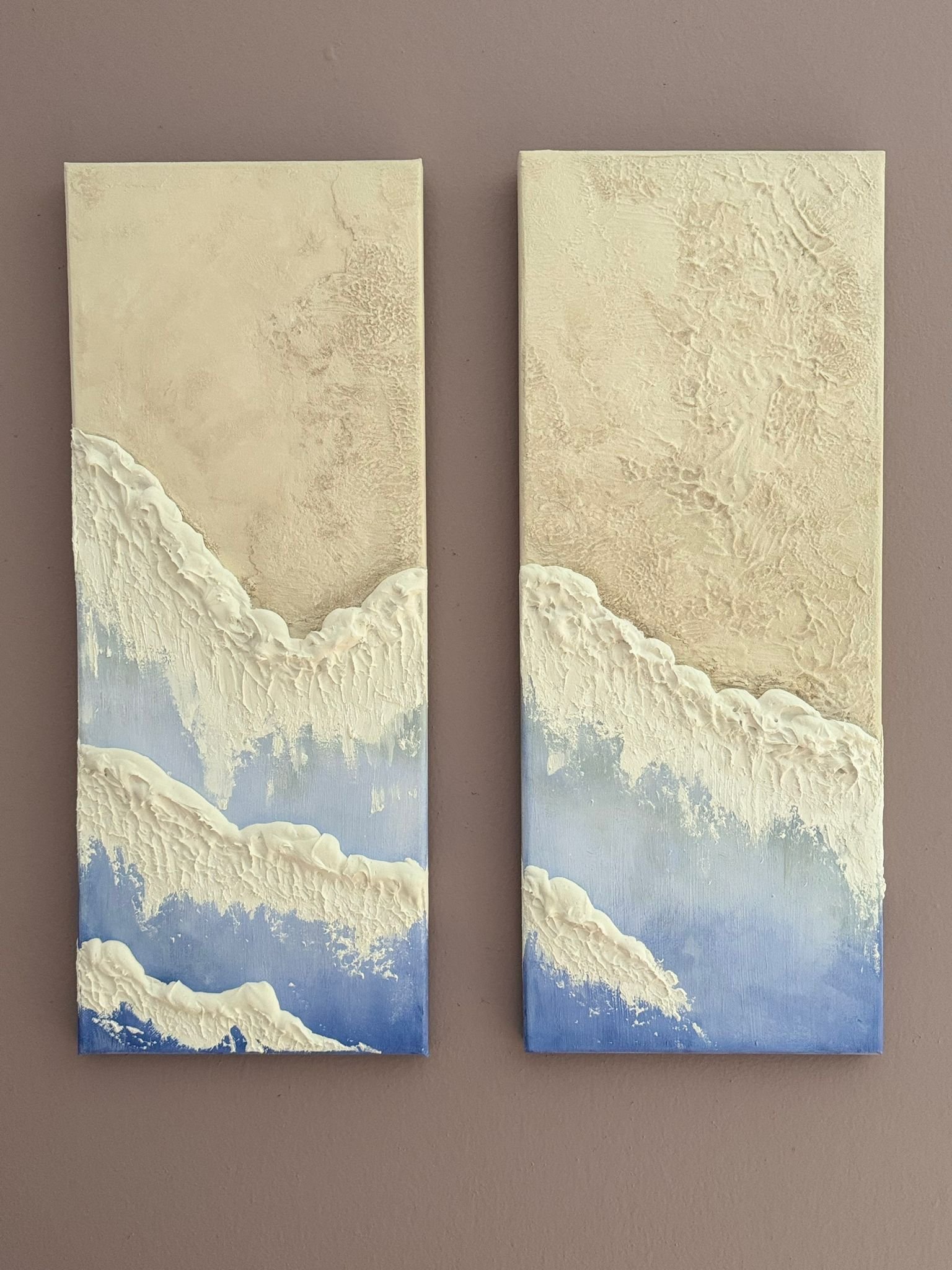
Neutral artwork tends to create the strongest sense of calm.
Popular tones include:
These tones work beautifully in serene modern interiors because they create visual softness without excessive contrast.
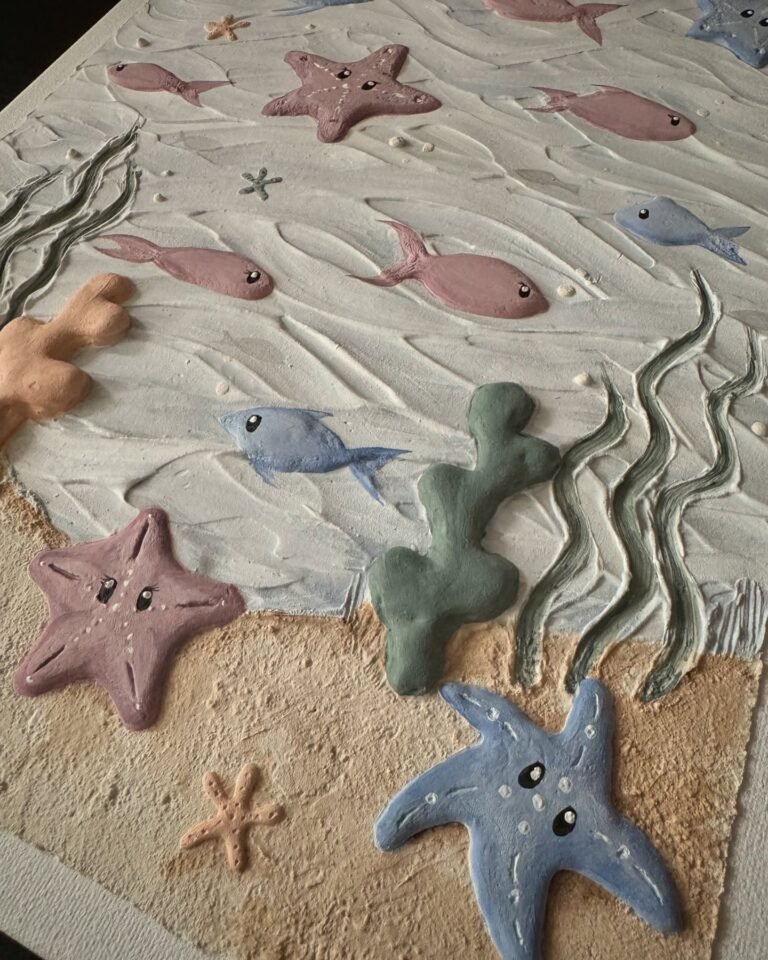
Palette knife artwork creates irregular movement that feels organic and handcrafted.
Plaster-inspired textured surfaces also create warmth because they interact beautifully with light.
Many homeowners love these finishes because they feel artistic without becoming visually overwhelming.
3D textured abstract wall art adds strong architectural presence.
These art pieces work especially well in:
The perceived value of heavily textured artwork is often higher because it feels more handcrafted and unique.
Textured wall art is surprisingly versatile.
The emotional effect changes depending on where the artwork is placed.
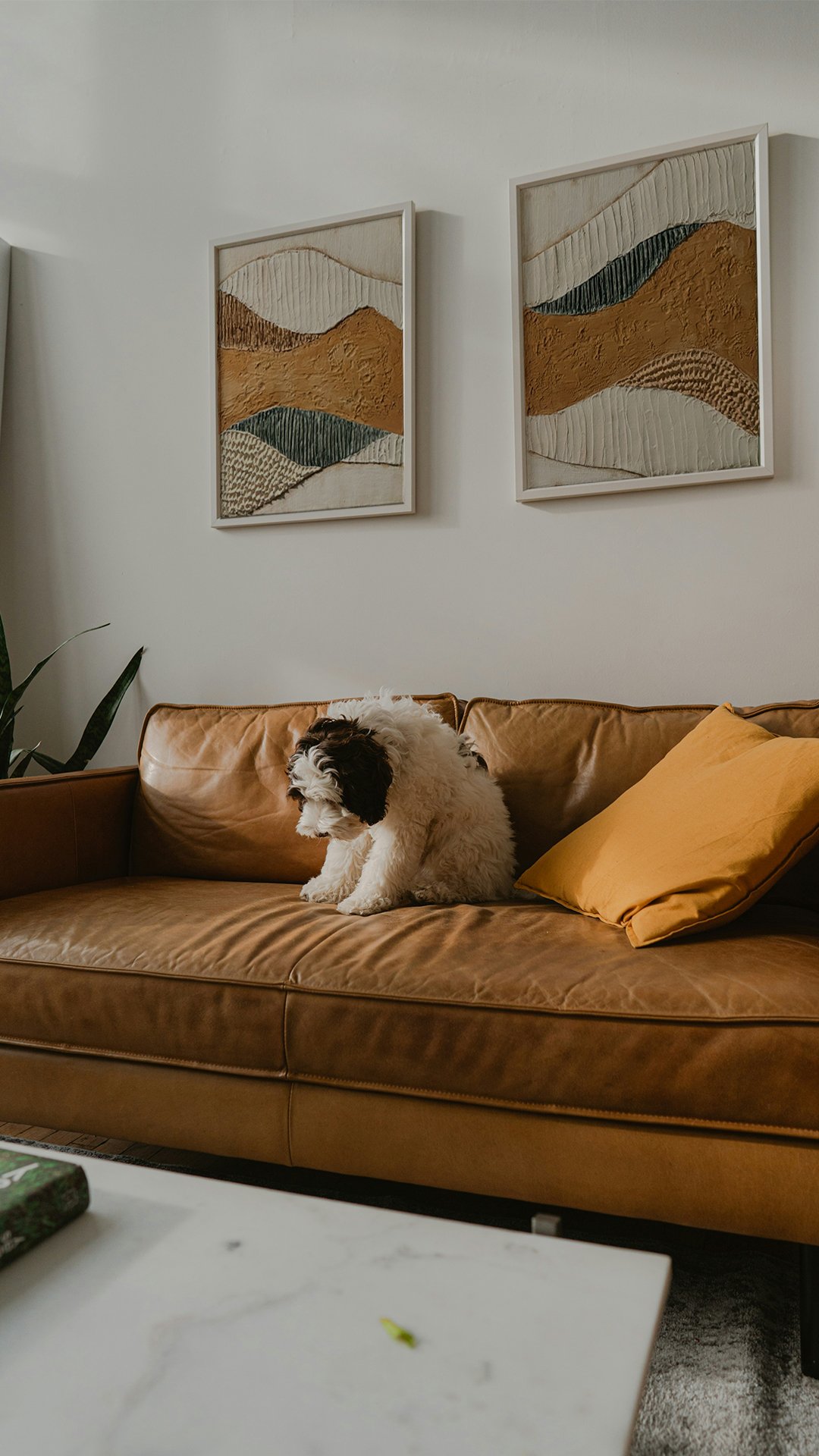
Living rooms benefit from oversized abstract wall art because it anchors the entire composition of the space.
A large canvas art piece above the sofa creates visual structure while enhancing comfort and sophistication.
Bedrooms should feel serene and tranquil.
Soft textured abstract paintings in neutral tones help evoke relaxation and emotional quietness.
We usually recommend softer layered textures instead of highly contrasting artwork in sleeping areas.
A thoughtfully selected textured wall can improve focus and reduce visual fatigue inside a home office.
Subtle sculptural surfaces create interest without distraction.

You do not need to overcomplicate the process.
Here’s a simple way to curate artwork that feels emotionally aligned with your home.
Ask yourself how you want the room to feel:
The emotional goal should guide the artwork selection.
Some people prefer:
Others gravitate toward highly textured abstract paintings with sculptural movement.
Oversized canvas wall art creates stronger emotional impact than several smaller frames.
Large-format canvas pieces also help modern interiors feel cleaner and more intentional.
Neutral textured art usually integrates more seamlessly into existing interiors.
This creates better visual flow and avoids overstimulation.
Flat prints can still look beautiful, but textured art creates a more emotional connection.
You can see the movement.
You notice the composition differently depending on lighting.
You become aware of the handcraft behind the piece.
That tactile quality creates personalization.
It feels less mass-produced and more connected to the homeowner’s identity.
This is one reason why textured canvas wall art continues replacing traditional flat décor in modern homes.
If you enjoy artistic interiors and layered texture, we recommend exploring:
You can also explore more modern textured wall art inspiration at My Home Art & Decor.
Yes. Texture influences how interiors feel visually and emotionally. Layered surfaces often create calm, warmth, and relaxation.
Homeowners increasingly want interiors that feel more personal, immersive, and wellness-focused.
Neutral tones such as beige, ivory, warm white, sand, and soft gray tend to create the strongest sense of serenity.
Absolutely. Textured abstract artwork softens minimalist spaces while preserving simplicity.
Large statement pieces work especially well above sofas, beds, dining consoles, and focal walls.


Sign up to grab 10% off your first order and be the first to hear about new drops and exclusive deals!