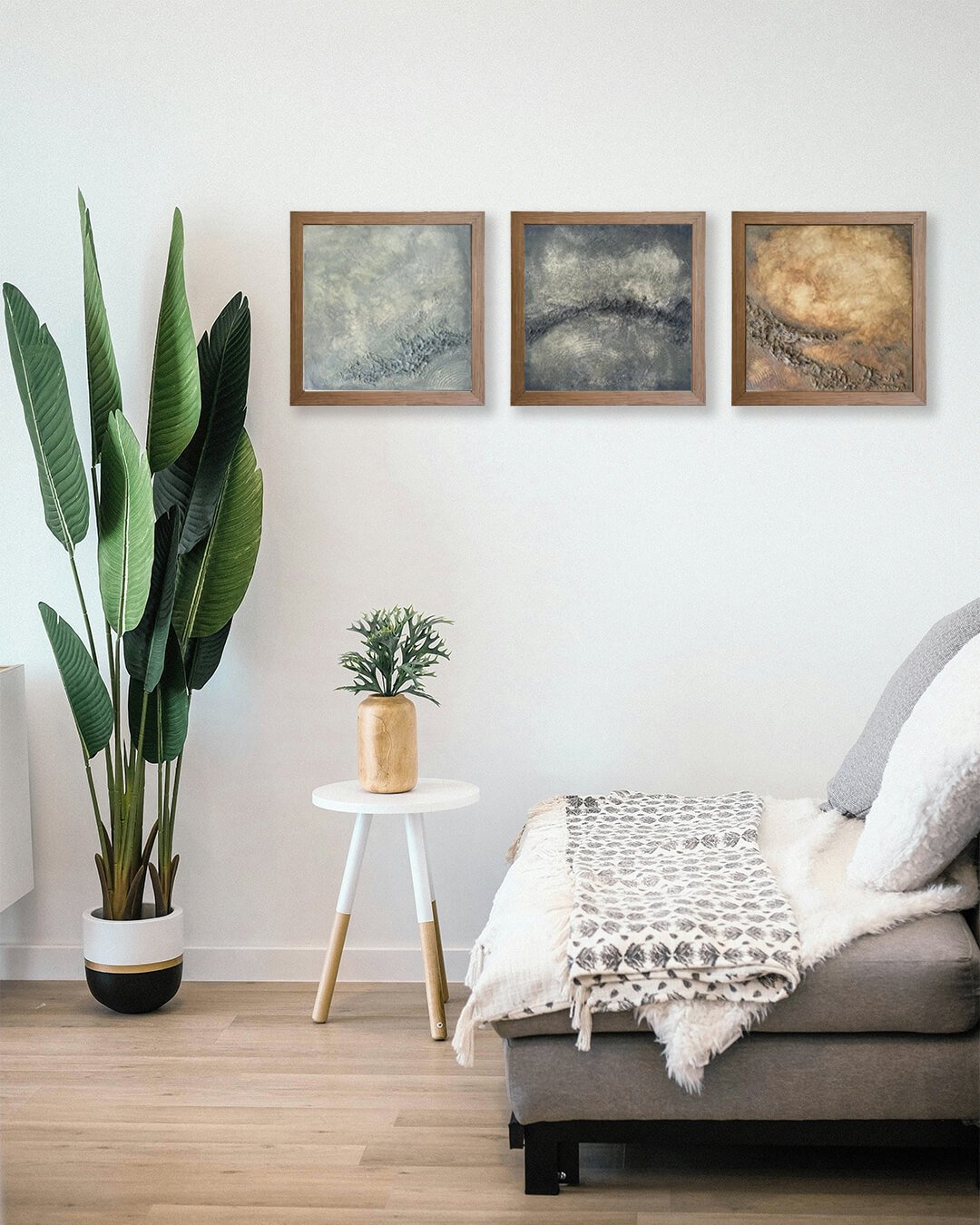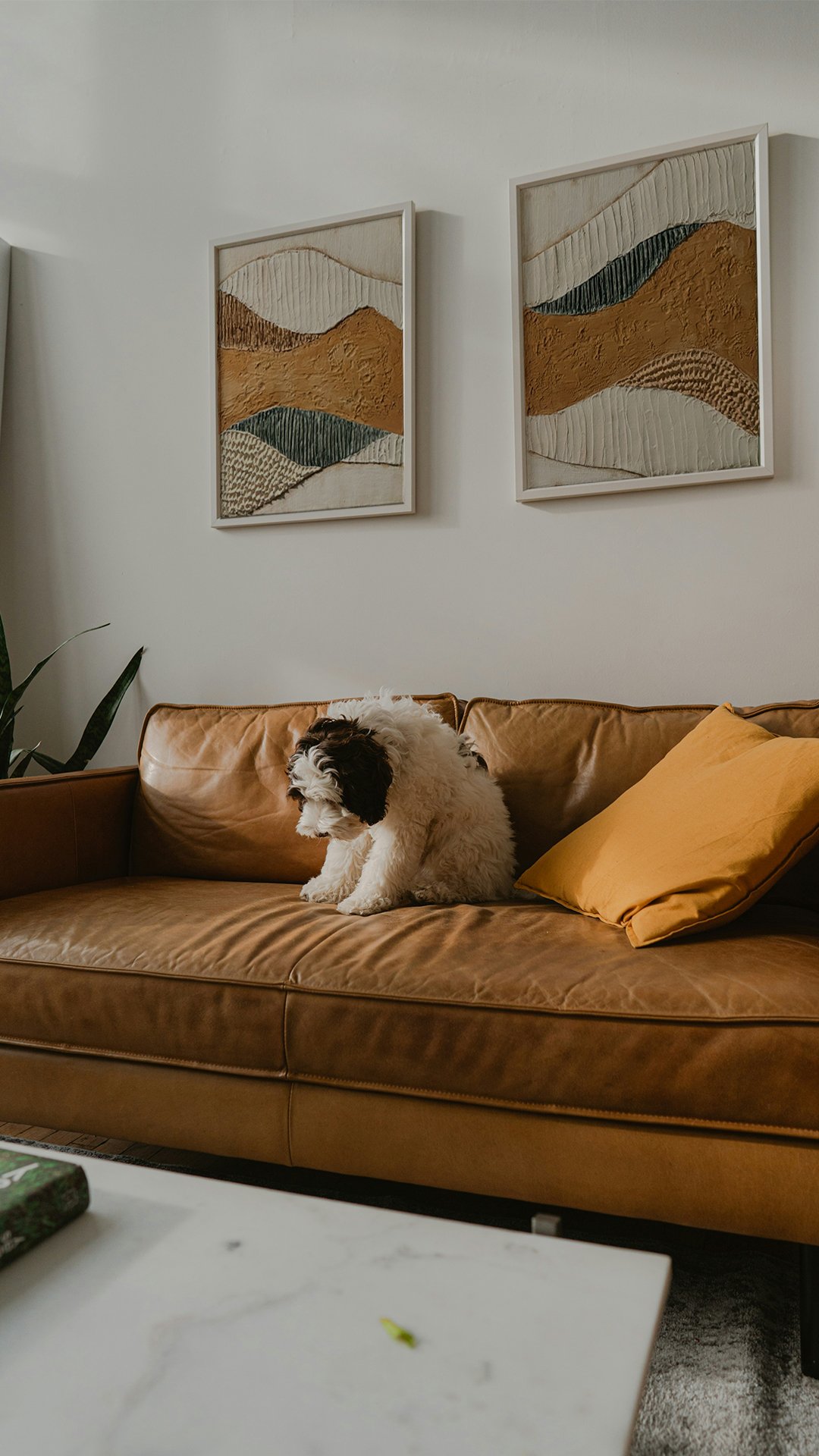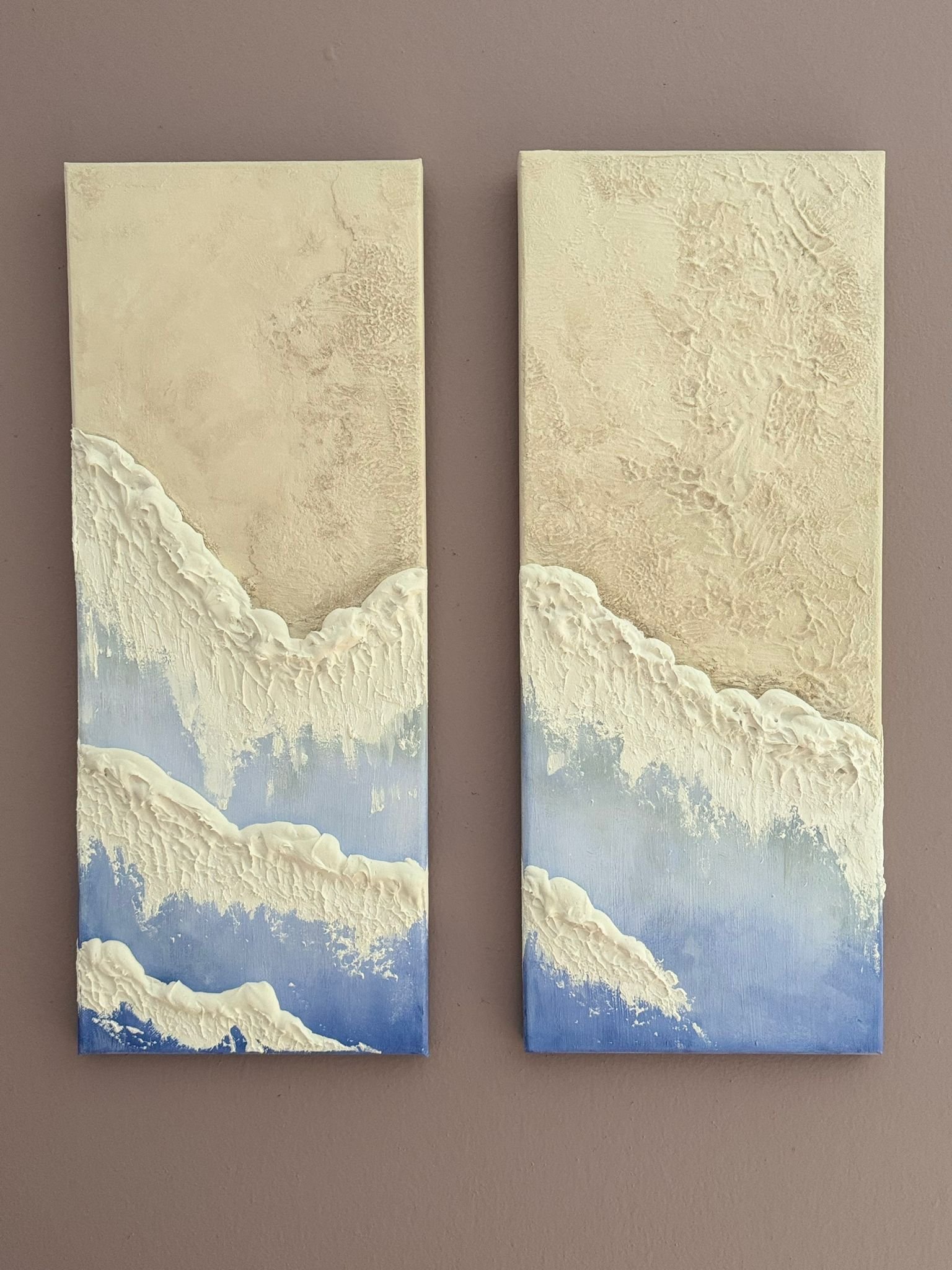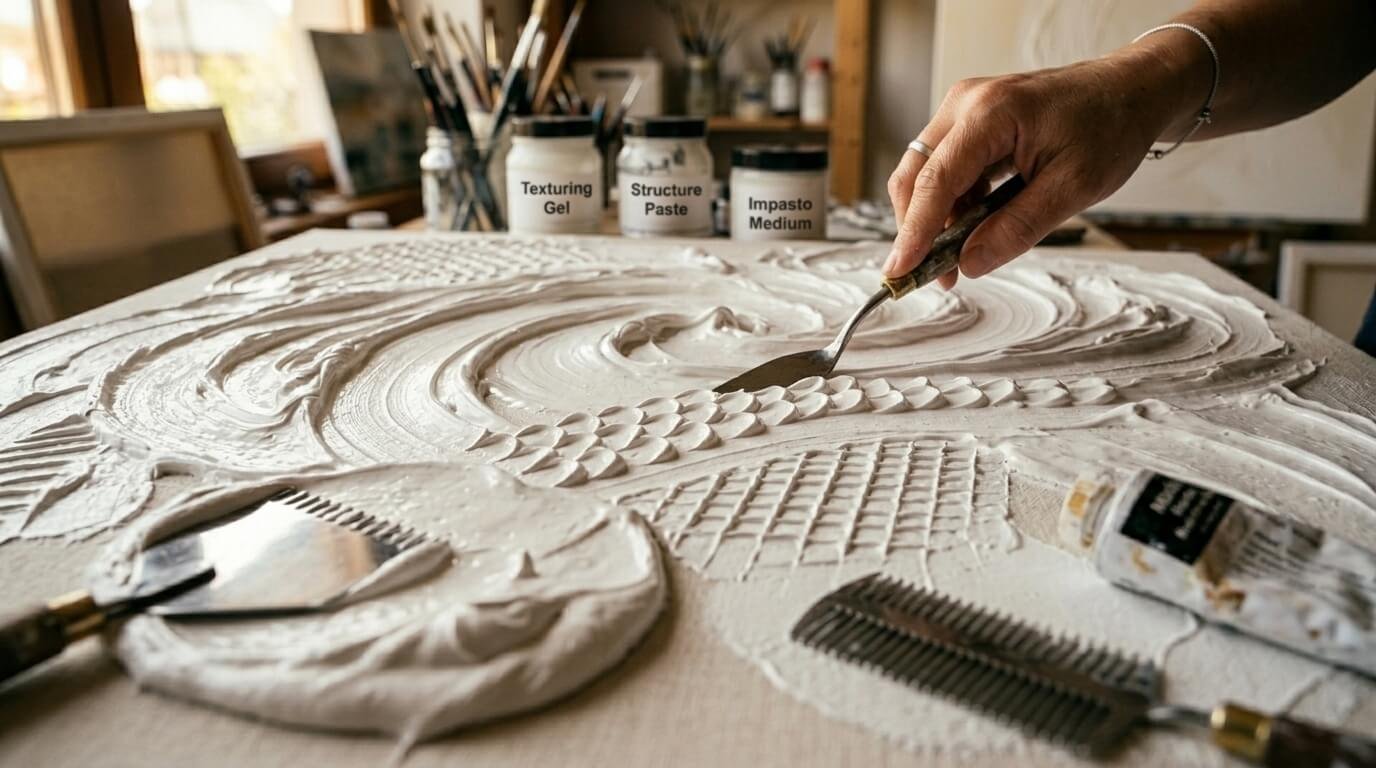
Texture techniques in modern art are the methods artists use to build physical or visual depth on a flat canvas – from thick impasto applications of oil paint to palette knife scoring, plaster layering, sgraffito scratching, and collage with found objects. Understanding how these techniques work is useful whether you are choosing artwork for your home or simply want to know why a textured piece looks and feels the way it does. This post covers the core approaches in clear, practical terms.
Key Points / Quick Summary
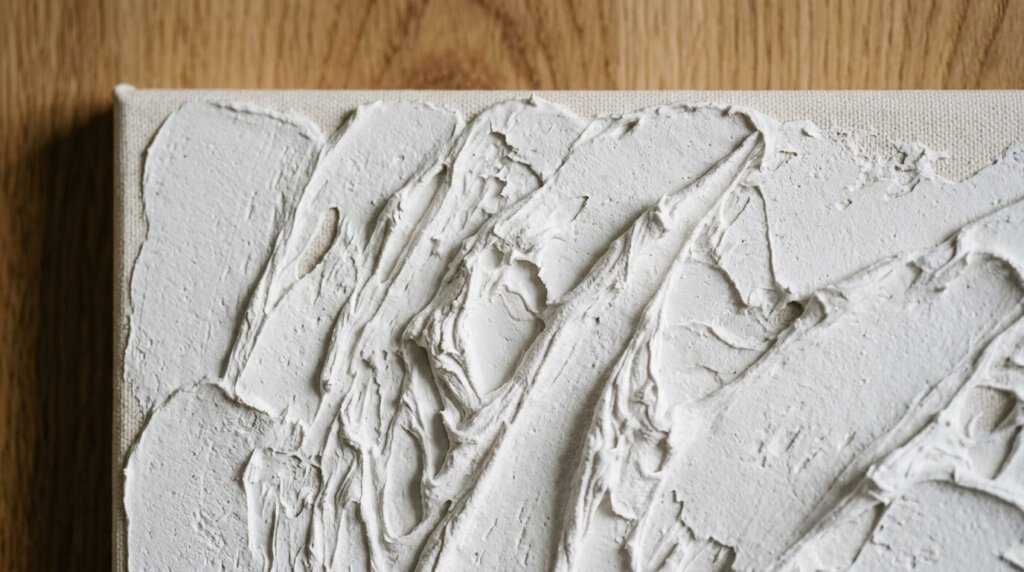
Texture is one of the fundamental elements of art – specifically, it describes the surface quality of a work, either as something you can physically feel or as something that appears to have tactile variation when you look at it. In the context of modern art and textured wall art, these two types of texture are the core of how artists build surfaces that go beyond a flat image.
Fine Art Tutorials puts it directly: texture in art refers to the real or perceived surface quality of a piece, with artists using a range of techniques and materials to create surfaces that engage the sense of touch or at least strongly suggest it. When a piece of artwork uses physical texture, the surface itself carries part of the meaning. You are not just looking at an image – you are looking at an object that has been built up, layer by layer, using creative methods that leave evidence in the surface.
This matters in interior design because physical texture is what differentiates a handcrafted canvas piece from a mass-produced flat print. The depth and shadow created by real surface variation cannot be faked by printing processes. It is only present in pieces where artists create that surface physically – using impasto, palette knife, plaster, collage, or any of the other techniques this post covers.
Visual texture is the illusion of surface variation created through line, tone, and mark-making on an otherwise flat surface. A skilled artist can use crosshatching, stippling, or tonal gradients to suggest the feel of a surface – rough bark, worn fabric, smooth stone – without the surface actually having any physical variation. When you run your hand across it, the canvas is flat.
Physical texture is actual surface variation. The feel of a surface changes because the material itself has been built up, carved, applied in thick layers, or combined with other materials. In a heavily textured painting, you can feel the ridges, see the way shadows fall into the lower areas, and watch the highlights shift as the light angle changes. That is physical texture, and it is what most people mean when they talk about textured wall art.
Both have their place in modern art. But in contemporary interior design, the demand is overwhelmingly for physical texture – for pieces where the surface variation is real, where the tactile engagement is not just implied by the image but present in the object itself.
Learn more about Psychological Benefits of Textured Wall Art
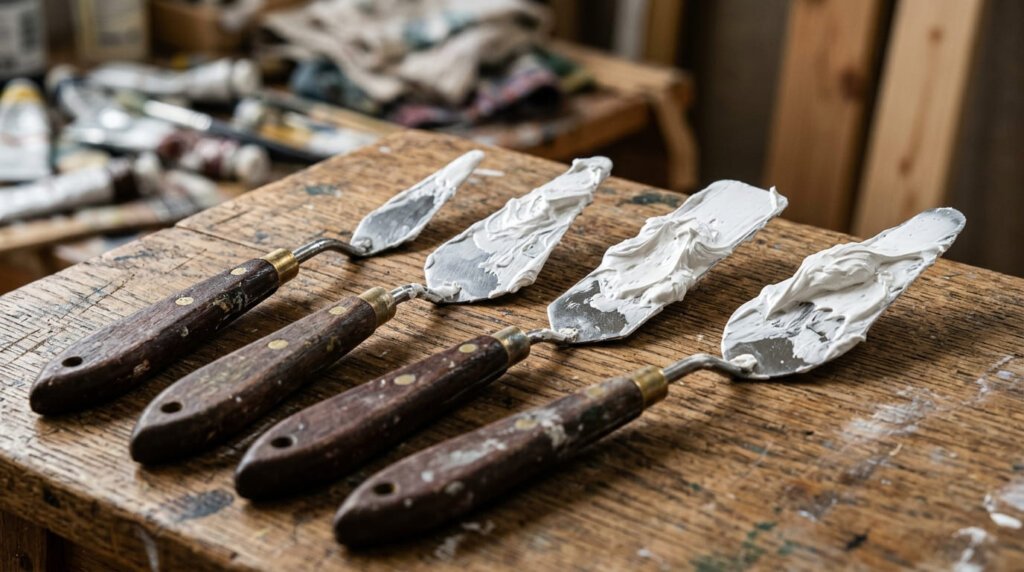
There are several core techniques that artists use to add texture to a canvas or art piece. Each produces a different kind of surface, and understanding the differences helps explain why two pieces that both appear “textured” can look and feel completely different in a room.
Impasto is a textured painting technique where thick paint is applied directly to the canvas in a way that creates a raised, three-dimensional effect. Instead of thin, flat brush strokes, impasto uses heavy-body acrylic paint or oil paint in layers thick enough to hold their shape as they dry. Artistic Blossom describes the core method: apply thick paint to build up layers, experiment with contrasting colors for depth, and use the brush or knife to create ridges and sculptural forms with visible brush or blade marks.
The result is a canvas surface with peaks, valleys, and ridges that catch light from one angle and fall into shadow from another. Run a finger across a true impasto painting and you can feel exactly where the brush or knife went. That physical quality is what gives impasto pieces their sense of energy and presence – the surface communicates the force of the mark that made it.
Impasto works equally well in oil paint and acrylic. Oil paint stays workable longer, which allows artists to blend and manipulate thick layers while they are still wet. Acrylic dries faster, which means the marks set more quickly and hold their shape sooner. Both produce surfaces with genuine tactile appeal, and both are widely used in contemporary textured wall art.
Using a palette knife is one of the most popular ways to add texture in both modern art and traditional painting contexts. Rather than a brush, the artist uses a flexible metal blade – available in various shapes and sizes – to apply, drag, scrape, and layer paint across the canvas surface.
Pressing firmly and lifting the knife creates peaks and ridges that capture shadows and highlights; smearing lightly drags paint across the surface, allowing underlayers to show through; different blade shapes produce different kinds of marks – broad trowel blades for wide areas, pointed tips for carving fine details.
The historical context for this technique is extensive. Vincent van Gogh used palette knife marks to add the physical urgency to his impasto compositions. Abstract Expressionists like Willem de Kooning used knives for aggressive, gestural mark-making in the mid-20th century. Contemporary artists continue to use the technique across a wide range of styles, from expressive abstract work to quiet, organic forms.
For interior design purposes, palette knife paintings have a directional energy – the strokes tend to have movement and sweep – that makes them particularly effective as focal points in living rooms and larger spaces where a strong visual presence is appropriate.
Sgraffito is the technique of scratching into a surface to reveal contrasting layers beneath. The term comes from the Italian word “sgraffiare,” meaning “to scratch,” and the technique has roots in ancient ceramics as well as Renaissance fresco painting. The practical definition: sgraffito is the act of scratching into the surface to add linear detail, texture, and pattern by exposing the layer below – using tools as simple as the handle end of a brush, a toothpick, a palette knife edge, or a dedicated carving tool.
In painting, sgraffito is typically applied while the top paint layer is still wet – or while a wax layer is still soft in the case of encaustic work – so that the scratching tool moves cleanly through the surface material and exposes a different color or texture below. The effect creates fine lines, patterns, or areas of exposed underlayer that add depth and visual interest to an otherwise solid surface.
Artists use sgraffito to add textural elements that cannot be achieved by adding material – instead, it reveals what was already there beneath. In mixed media and collage work, this can mean scratching through paint to reveal paper, fabric, or a differently colored ground. The sense of depth that sgraffito creates is different from the raised relief of impasto -it is depth that goes inward rather than outward.
Read: Texture Painting on Canvas for Beginners
Mixed media is the practice of combining more than one art-making medium or material in the same work. Collage – the application of different flat materials to a canvas or paper surface – is one of the oldest and most expressive forms of mixed media.
In textured wall art, mixed media and collage create various textures by incorporating materials that each have their own surface quality. The Painting Advice covers the layering method: start with a base layer of gesso, modeling paste, or collage materials; add textured elements like sand mixed with paint or fabric scraps; apply washes of color over the surface; use a palette knife in specific areas; scratch into dry layers with sgraffito. Each layer adds to the artwork’s complexity.
Artists create multi-dimensional surfaces by incorporating materials like sand, fabric onto the canvas, paper, string, natural fibers, and found objects. Each material contributes a different surface quality – the woven structure of burlap, the smooth face of torn paper, the rough irregularity of sand embedded in paint. The result is a surface with multiple kinds of physical texture existing in the same piece, creating various textures that engage different aspects of the viewer’s tactile and visual experience.
Collage-based mixed media pieces are especially effective in contemporary interiors because they have an organic, assembled quality that machine-made prints cannot replicate. Every piece is unique because the specific materials used and the way they have been combined and layered are decisions made by a person, one layer at a time.
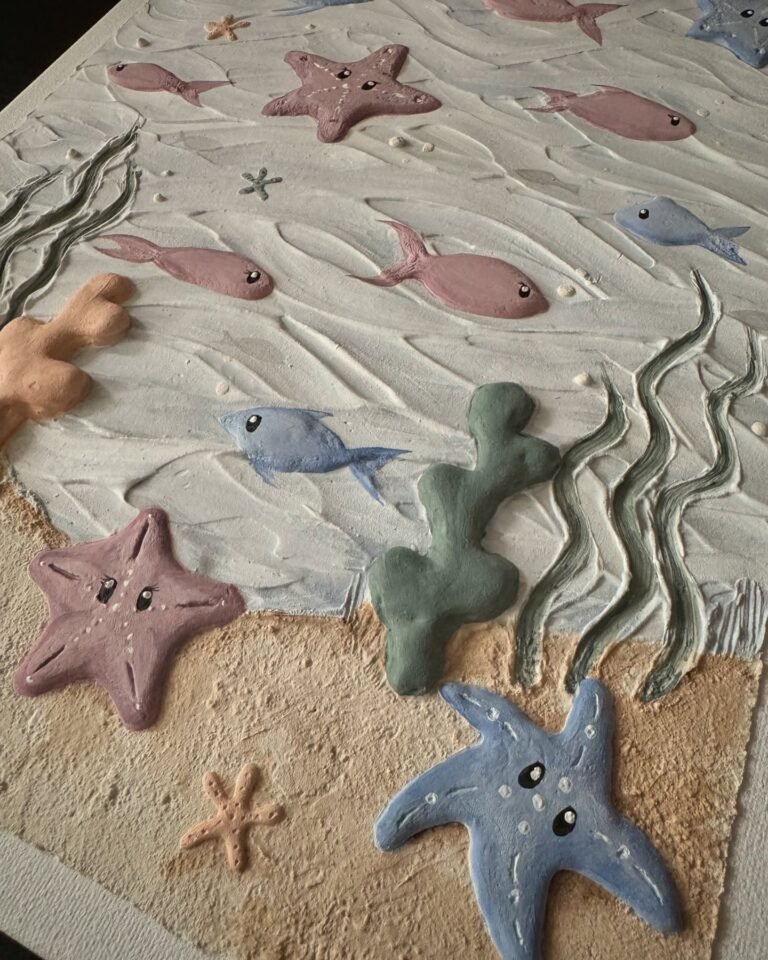
Plaster and modeling paste are building materials rather than painting materials. They are used to construct the surface of the artwork before any paint is applied – creating raised surfaces, carved forms, and three-dimensional structures that give the finished piece a genuinely sculptural quality.
Acousart’s analysis of textured canvas wall art describes plaster-based canvases as often painted in soft neutrals, leaning into calm, sculptural minimalism suited to Japandi, Scandinavian, and contemporary homes. The plaster surface is not just background – it is the art piece itself. The ridges, flat planes, carved details, and organic variation in the plaster are what carry the visual and tactile quality of the work.
Modeling paste works similarly to plaster but is designed specifically for use on canvas as a medium for building texture. Artists use it to apply thick structural layers, to create raised surfaces that hold sharp edges or soft organic forms, and as a base into which other materials can be pressed while still wet. It dries hard and solid, accepting paint and other materials on top.
Plaster layering is one of the most common textured art techniques, alongside impasto, palette knife, and collage, with plaster-based pieces especially valued for their calm, stone-like surface quality that feels genuinely natural. The combination of a physically built-up surface with natural pigments and organic form is what gives plaster-based textured art its distinctive presence.
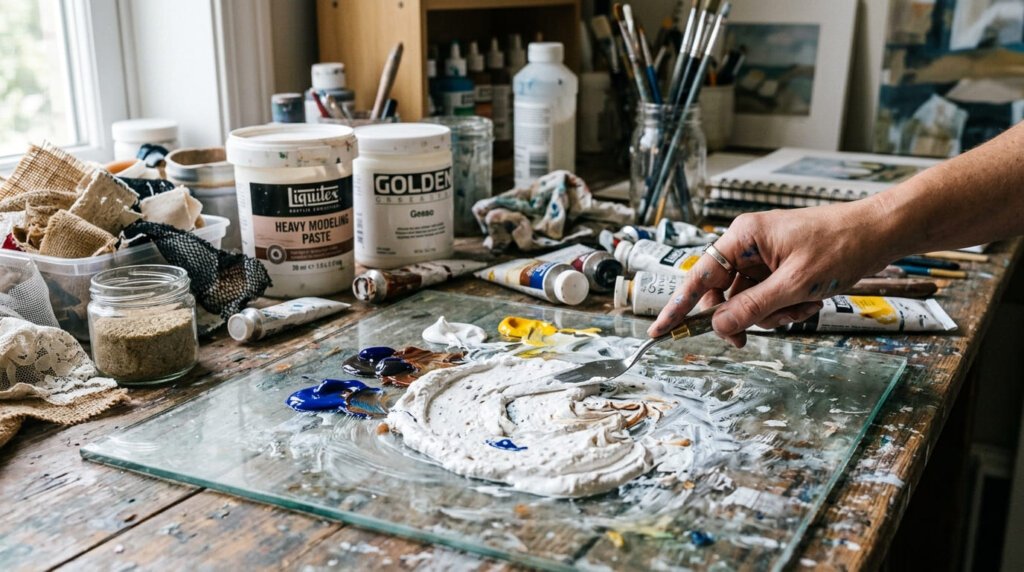
Understanding how the choice of medium affects the texture a piece can carry helps explain why not all textured art looks or behaves the same.
Oil paint and acrylic paint both work for building texture techniques, but their physical properties create different results and require different approaches.
Oil paint is slow-drying, which means artists can work wet-on-wet – building up thick impasto layers and blending within them while all the material is still workable. This extended open time allows for very organic, flowing mark-making that can be manipulated for longer than acrylic allows. Oil paint also has a rich, slightly transparent quality when applied thickly, with the light catching in the depth of the paint layers in a distinctive way.
Acrylic paint dries faster, which means each layer sets more quickly and the artist has to work at a different pace. The faster drying time also means that acrylic is better suited to layered work where each layer needs to be stable before the next is applied. Acrylic paint can also be mixed with mediums – impasto medium, modeling paste, gel medium – that change its consistency, extend its drying time, or build in additional texture.
For most contemporary textured wall art, acrylic is the dominant medium because of its flexibility, fast drying time, compatibility with mixed media materials, and long-term stability. Oil paint is still used extensively for impasto and palette knife work, particularly when the visual depth and richness of slow-drying oil is part of the piece’s character.
If you want to try creating textured surfaces yourself before investing in a finished piece, our blog on DIY Textured Canvas Art Ideas for Wall Design covers practical methods for building organic texture at home.
Artists use many materials beyond paint to create various textures on a canvas surface. Some of the most common in contemporary textured art include:
Sand and marble dust. Mixed directly into paint or applied to the canvas surface while it is still wet, sand creates a gritty, mineral-quality texture that reads as organic and natural. It is one of the more subtle ways to add depth without dramatic relief.
Fabric and textile. Gluing fabric onto the canvas surface – burlap, canvas scraps, gauze, woven fiber – introduces the texture of the weave directly into the artwork. When painted over, the textile structure shows through the paint in a way that adds both visual and physical variation.
Found objects and everyday materials. Artists create unique surfaces by pressing found objects into wet modeling paste or paint to leave impressions, or by adhering light objects directly to the canvas. This approach is associated with collage and assemblage traditions but is widely used in contemporary textured work.
Natural materials. Dried plant matter, seeds, pebbles, bark fiber, and similar materials can be incorporated into mixed media pieces to add organic, nature-derived textures that have genuine physical variety. These are materials to create surfaces that feel connected to the natural world rather than to manufactured processes.
Gesso and ground layers. The base preparation of a canvas can itself be a texture-building step. Multiple applications of gesso, or gesso mixed with sand or marble dust, create a surface that holds paint differently than a smooth ground – adding subtle texture that works as a foundation for all subsequent layers.
Each of these materials contributes to the overall sensory quality of the finished piece. Artists use different combinations depending on the effect they want to achieve, and the resulting mix of tools to create various effects is part of what makes each handcrafted piece genuinely different from any other.
Understanding texture techniques is not just for artists or design students. It is directly relevant to how a piece of textured wall art works in a room – and specifically, to why different techniques produce different kinds of presence and visual impact.
The reason physical texture is so visually compelling in a room comes down to light and shadow. A flat canvas receives light evenly across its surface. A textured surface does not – the high points catch light and the low points fall into shadow, creating a dynamic pattern of highlights and shadow across the entire piece.
The direction of the light source determines which parts of the surface are lit and which are in shadow. As the light angle changes throughout the day – morning light from the east, afternoon light from different angles, evening lamp light – the shadow pattern on a textured surface shifts. The ridges of an impasto painting, the scraped lines of a sgraffito mark, the depth and shadow created by a plaster relief – all of these respond to the changing light in ways that make the artwork feel alive rather than static.
Artistic Blossom’s guide on layered techniques notes that depth and shadow are created through contrasting colors and the way light falls on raised surfaces, recommending that artists experiment with contrasting tones specifically to maximize the visual impact of the texture they have built. The same principle applies to choosing and lighting textured wall art in your home: the right light angle will reveal the depth of the surface and dramatically enhance the presence of the piece.
From a practical standpoint, this means that directional lighting – a lamp angled at the canvas from the side, a picture light mounted above, a floor lamp pointed at the wall – will do more for a textured piece than any overhead fixture. The angled light creates the shadow variation that reveals the full surface character of the work. Flat frontal lighting, by contrast, tends to flatten the texture and reduce the visual interest that makes the piece worth having.
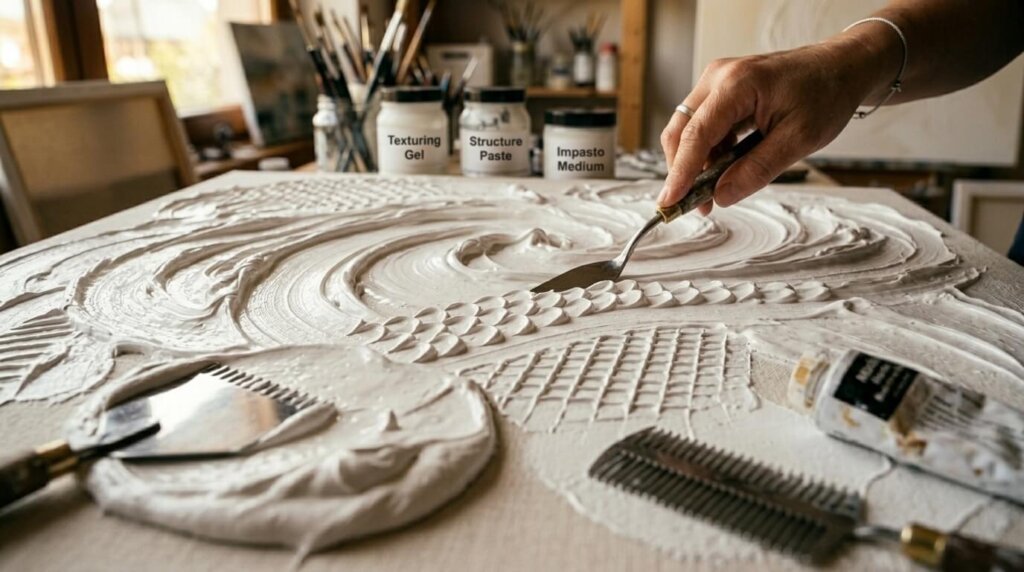
This is how a typical handcrafted textured canvas piece goes from bare surface to finished artwork, using the techniques covered above. The process is intentionally sequential – each step builds on what came before.
Step 1: Prepare the canvas and ground A stretched canvas is prepared with one or more layers of gesso, which provides the base surface for everything that follows. For heavily textured work, gesso may be mixed with sand or marble dust to introduce early surface variation, or applied in multiple thick coats that are sanded between layers to create a smooth but slightly rough ground.
Step 2: Build the structural surface For pieces that rely on plaster, modeling paste, or heavy impasto as their primary texture technique, this step involves applying the structural material directly to the prepared canvas. Artists use palette knives, brushes, trowels, and hands to build up the surface, carving and shaping while the material is still wet. This is where raised surfaces, ridges, and sculptural forms take shape.
Step 3: Incorporate mixed media materials (if applicable) At this stage, artists create additional texture by pressing found objects, fabric, natural materials, or sand into the still-wet medium, or by adhering flat collage elements that will be painted over. These materials to create various surface qualities add variety to the textural language of the piece before any color is applied.
Step 4: Apply the first paint layer Once the base texture is set or dry, the first wash of color is applied. This is typically a thin layer that settles into the recesses of the texture, darkening the deeper areas and reinforcing the depth and shadow relationship established by the surface structure. Artists use diluted acrylic paint or an oil wash at this stage – apply thick paint in later steps; start thin to establish the tonal foundation.
Step 5: Build up with thicker applications Subsequent layers of paint are thicker and more opaque. Artists use impasto techniques – applying heavy-body paint with a knife or brush to add depth and visual interest to specific areas. They may use a palette knife in one zone, a brush in another, creating dynamic contrasts of surface quality within the same canvas.
Step 6: Sgraffito and subtractive marks While a layer is still wet, the artist may use sgraffito tools to scratch into the still-wet surface, revealing the color or texture of the layer below. This is the subtractive phase – removing material to expose what was built underneath. The lines and marks created at this stage add depth and visual texture that cannot be achieved through addition alone.
Step 7: Final layers and finishing The final layers of paint add the piece’s surface color and tonal resolution. A protective finish – varnish, wax, or resin depending on the medium – seals the surface and unifies the different materials and tactile elements. The finished piece has a surface that combines multiple texture techniques, resulting in a work where the depth and interest of the surface are as important as the colors and composition.
These are the details that help you distinguish a genuinely handcrafted textured piece from one that imitates the look of texture without the physical reality.
Look for irregularity. Handcrafted impasto or palette knife work has subtle variation throughout – no two areas of the surface are exactly the same. Machine-produced prints that simulate texture tend toward uniform patterns. Real handcraft is readable up close because it has the decisions of a person in it.
Run your eye along the edge. When a canvas has significant physical texture, you can often see it in profile – the surface extends above the canvas plane visibly. This is most obvious in heavily textured pieces with built-up plaster or thick impasto layers.
Consider the light angle before purchasing. If possible, view a textured piece under angled light rather than flat overhead light. The way the surface responds to angled light is the best indicator of how rich the texture actually is – and how the piece will read in your home.
Ask about the medium and materials. Knowing whether a piece was built with oil paint, acrylic, plaster, or mixed media helps you understand its maintenance requirements and long-term durability. It also tells you something about the creative methods the artist used.
Understand that texture is a powerful tool for room transformation. A single handcrafted textured art piece on a wall creates immersive experiences that change the character of the room in a way that flat prints simply cannot. The tactile engagement the surface invites, the depth and visual weight it adds, and the way it responds to the room’s changing light are all qualities that contribute to the room’s everyday atmosphere.
Q: What are the most common texture techniques used in modern textured wall art?
A: The most common are impasto, palette knife painting, plaster and modeling paste construction, sgraffito, and mixed media or collage. Each produces a different kind of surface quality. Impasto and palette knife work creates dynamic raised marks. Plaster builds calm, sculptural relief. Sgraffito reveals layers. Mixed media and collage combine multiple materials and tactile qualities into one surface.
Q: What is the difference between impasto and palette knife painting?
A: Impasto refers to the general technique of applying thick, raised paint – it can be done with a brush or a knife. Palette knife painting specifically uses a metal blade as the primary mark-making tool. Palette knife work tends to produce flatter, more directional marks than brush-applied impasto, which can be thicker and more rounded. Both use texture techniques to build up paint to create raised surfaces that interact with light.
Q: Can you add depth to a flat canvas using techniques other than paint?
A: Yes. Artists create texture by incorporating sand, fabric onto the canvas surface, paper, natural materials, found objects, and structural mediums like plaster and modeling paste. Each of these materials to create various surface qualities adds depth and interest without relying on paint thickness alone.
Q: What does sgraffito look like in a finished piece of wall art?
A: Sgraffito creates fine lines, patterns, and areas where a deeper color or texture layer shows through the surface layer. It can look like delicate line drawing scratched into a painted surface, or like areas of exposed contrast where a lighter or differently textured layer is revealed. In contemporary abstract art, sgraffito often contributes a linear detail and layer variation that adds depth and visual interest to an otherwise smooth surface.
Q: Why does textured art look different at different times of day?
A: The physical variation in a textured surface creates areas of highlight and shadow that shift as the angle of light changes. Morning light from a window, afternoon light, and evening lamp light all hit the surface differently – the same ridges that catch warm morning light will be in shadow under an overhead fixture. This responsiveness is what makes physical texture a powerful tool in interior spaces, and why artists create surfaces with this depth rather than relying on a flat image alone.
Q: Is textured wall art more difficult to care for than flat prints?
A: Not significantly, no. Most handcrafted textured pieces are sealed, which protects the surface from light dust and humidity. Regular care is straightforward: dusting with a soft brush or dry cloth, avoiding moisture, and keeping the piece out of direct sustained sunlight. The main thing to be careful about with heavily textured pieces is not pressing into the surface ridges, as this can compress or damage the raised areas over time.
Q: What is the best way to appreciate a textured artwork before buying?
A: Look at it under angled light if possible, so you can see the way the surface variation creates depth and shadow. Read the description of the medium and techniques used. Look closely at the surface to understand whether the texture is genuinely physical or printed. A real handcrafted textured piece rewards close examination – you should see the marks, feel the surface quality just by looking, and understand how the layers were built. If it looks exactly the same from every angle and distance, it is probably a flat print of a textured image rather than a true textured artwork.
Understanding the different texture techniques in modern wall art is genuinely useful – not because you need to become an expert, but because it changes how you look at art and what you look for when you are choosing a piece for your home. Once you know the difference between an impasto painting and a printed simulation of impasto, you will not be able to unsee it. Once you understand that sgraffito reveals layers while plaster builds them, you start to read the surface of a piece differently.
Every handcrafted textured artwork is a record of how it was made. The impasto marks, the palette knife lines, the plaster ridges, the scratched sgraffito details – these are all evidence of a person making a series of decisions about a surface, layer by layer. That is why textured art feels different from a print. It is not just an image. It is an object that was made.
We build our collection with exactly those qualities in mind – pieces where the surface technique is as intentional as the composition, where the use of materials creates depth and tactile richness that grows more interesting in your home over time.
Explore the full collection at My Home Art & Decor.
If you are specifically interested in using drywall compound as a plaster substitute for DIY wall art, DIY Textured Canvas Wall Art with Drywall Mud walks through that process in detail.
Sign up to grab 10% off your first order and be the first to hear about new drops and exclusive deals!