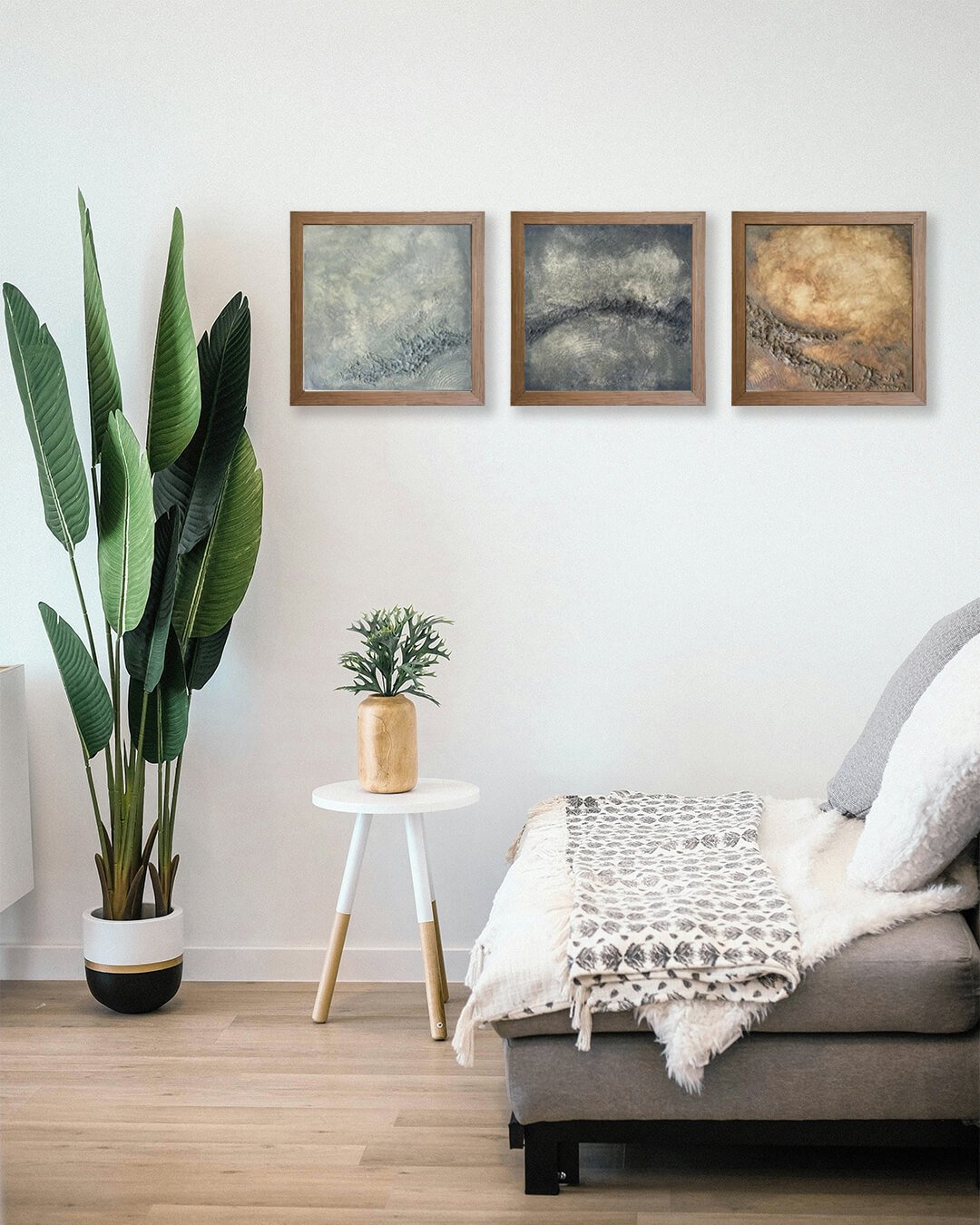
Choosing the right wall art size can completely change the way a room feels. The right proportions make a space feel intentional, balanced, and elevated. The wrong size usually makes even beautiful artwork feel disconnected from the room.
When we work with textured pieces, scale becomes even more important because texture naturally creates more visual weight and depth than flat canvas prints. A heavily textured piece can become a focal point very quickly, especially in living rooms, entryways, or bedrooms with soft neutral interiors.

Size matters because proportion affects how we visually experience a room. Even stunning artwork can feel awkward if the scale is off.
One of the most common interior design mistakes we see is choosing pieces that are too small for the available space. Small art floating above a large sofa immediately makes the room feel unfinished. On the other hand, oversized artwork placed correctly can transform a plain wall into a bold focal point.
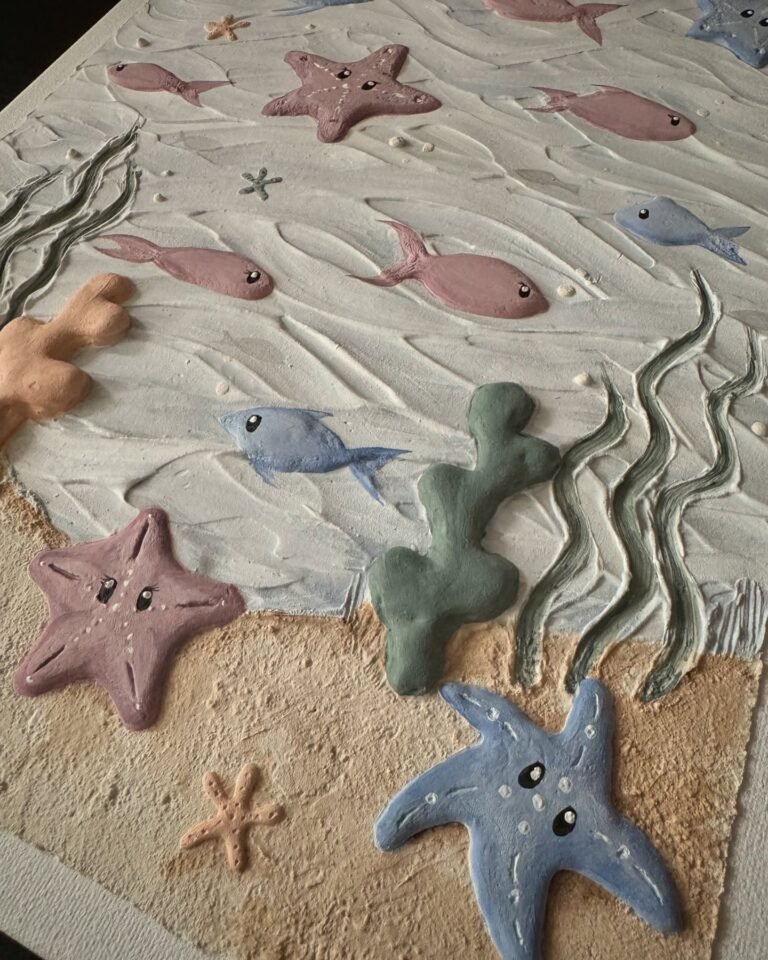
Textured painting has even more presence because of its tactile quality. The added depth, shadow, and layered surfaces naturally attract attention. That is why choosing the right wall art size becomes essential in modern interiors.
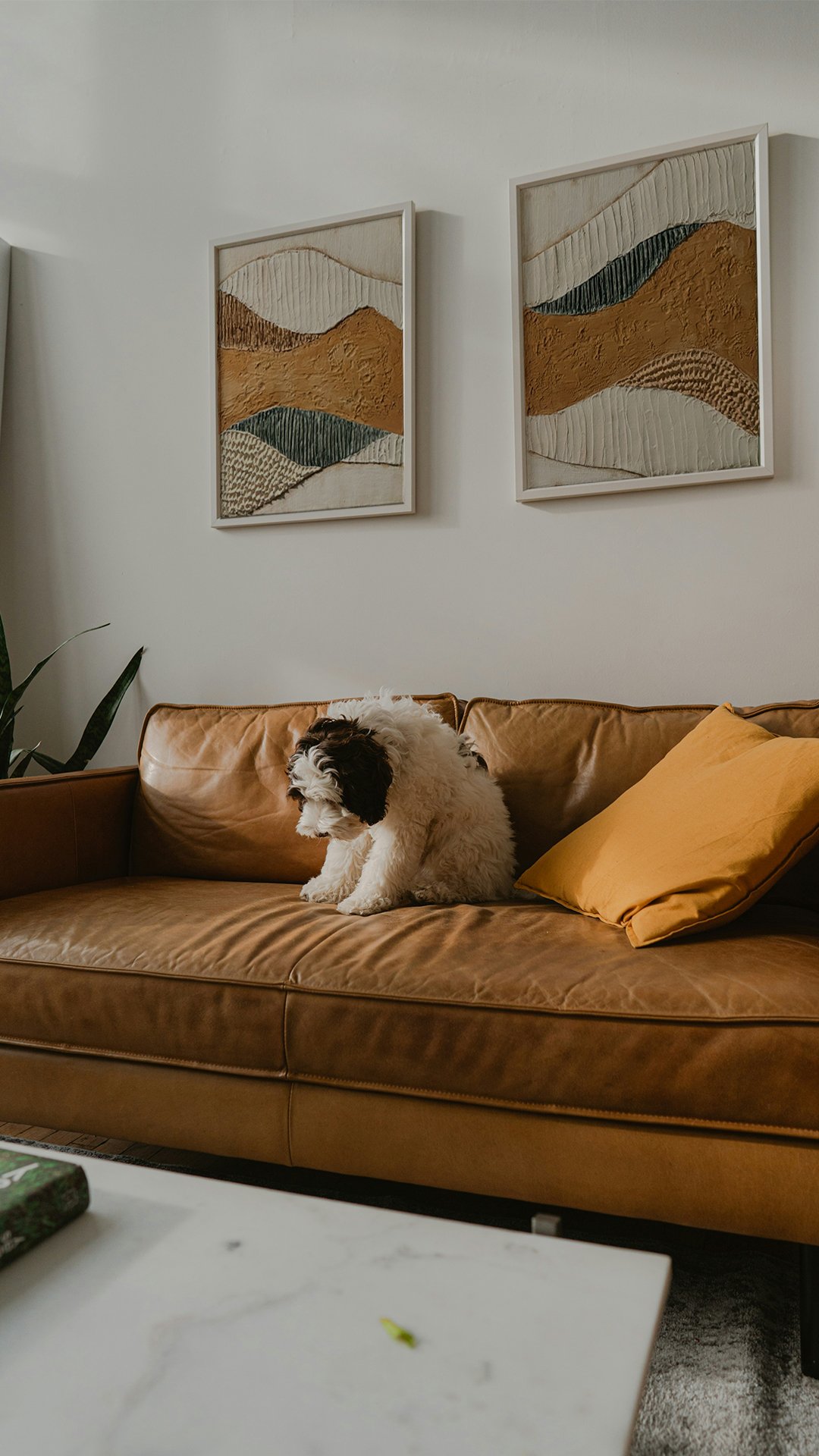
A large textured canvas above a sofa creates balance. A tiny print on a large wall often disappears visually.
Here’s why designers consistently prioritize scale:
According to multiple wall art sizing guides and interior designers, artwork should generally span about two-thirds to three-quarters of the width of the furniture below it.
This is probably the most searched sizing question for a reason.
The sofa usually becomes the anchor of the living room, so the artwork above it naturally becomes the main statement piece.
A good general guideline is this:
Your wall art should cover approximately 60-75% of the sofa width.
Examples:
| Sofa Width | Recommended Artwork Width |
|---|---|
| 60 inches | 36-45 inches |
| 72 inches | 43-54 inches |
| 84 inches | 50-63 inches |
| 96 inches | 58-72 inches |
This proportion rule helps the artwork feel connected to the furniture without overwhelming the room.
For a large wall behind a sectional sofa, one large statement piece usually works better than several tiny frames.
In organic modern interiors, oversized textured canvas art tends to feel calmer and more intentional than busy gallery arrangements.

Honestly, both can work beautifully. It depends on the style of the room and the atmosphere you want to create.
A single large piece is ideal when you want:
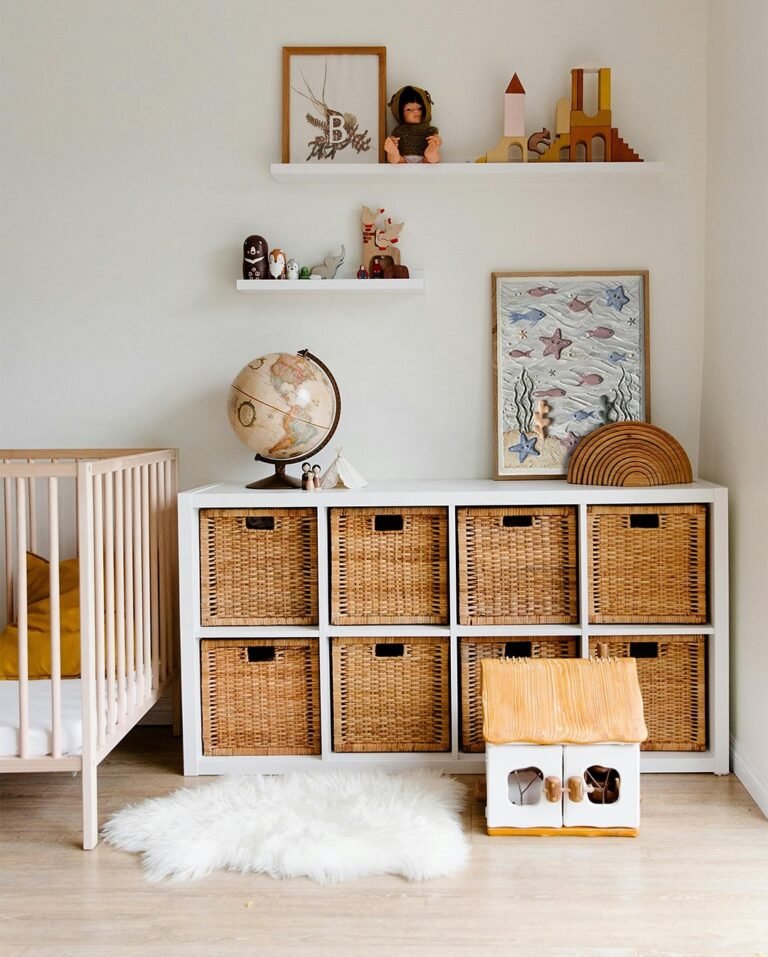
Oversized textured wall art works especially well in neutral interiors because the texture itself becomes the visual interest.
In homes with high ceiling height or open layouts, one oversized abstract piece often feels more sophisticated than multiple smaller pieces.
Click here if you want more inspo about textured wall art pieces
A gallery wall works better when:
The key is maintaining consistent spacing between grouped pieces. Usually around 2–3 inches works best.
Without cohesion, gallery walls can overwhelm smaller rooms very quickly.
This is another area where many people struggle.
Most artwork is hung too high.
The center of the piece should generally sit around eye level, roughly 57-60 inches from the floor.
If the artwork is hanging above furniture, keep the bottom of the artwork approximately 6-10 inches above the top of the furniture.
Examples:
Keeping artwork visually connected to furniture creates better proportion and prevents the art from floating awkwardly on the wall.

Every room has different spatial needs.
Living rooms usually support larger wall art sizes because the furniture scale is bigger.
This is the perfect place for:
A bold piece can completely transform the room without adding clutter.
Bedrooms usually need softer proportion and calmer composition.
Over the bed:
Vertical pieces can work too, especially if the room has tall ceilings.
Entryways are often overlooked, but they set the tone for the entire home.
Tall vertical pieces work especially well here because they:
This is also a great place for sculptural wall decor.
Small artwork on a large wall creates imbalance.
The wall starts feeling unfinished and disconnected from the furniture. Even beautiful canvas art loses impact when the proportion feels off.
Interior designers consistently mention that undersized art is one of the biggest decorating mistakes homeowners make.
If your artwork feels too small, you can:
But honestly, going bigger from the beginning usually works best.

Measure first. Always.
This simple step avoids so many expensive mistakes.
Measure the sofa, console, or bed width.
This gives you the ideal artwork width range.
Use painter’s tape on the wall to map out the exact dimensions.
This is one of the easiest ways to visualize scale before purchasing.
Make sure the center aligns close to eye level.
View the layout from different angles before hanging.
This guide helps you choose artwork that feels proportional and intentional.
Organic modern interiors usually combine:
That is why textured wall art works so naturally in these spaces.
Some of the most popular styles include:
Texture adds depth without relying on loud color.
That balance feels especially important in modern homes where people want warmth without visual chaos.
Read The Rise of Organic Modern Decor
Yes. Absolutely.
One large statement piece often works better than many tiny pieces because it keeps the room visually clean.
Multiple small frames can chop up the wall and make the room feel cluttered.
Oversized artwork creates a stronger focal point and can actually make smaller rooms feel more expansive when placed thoughtfully.
The key is proportion.
You still want breathing room around the artwork without crowding the wall.

Some layouts naturally work better with texture.
Perfect above:
Perfect for:
A beautiful option for:
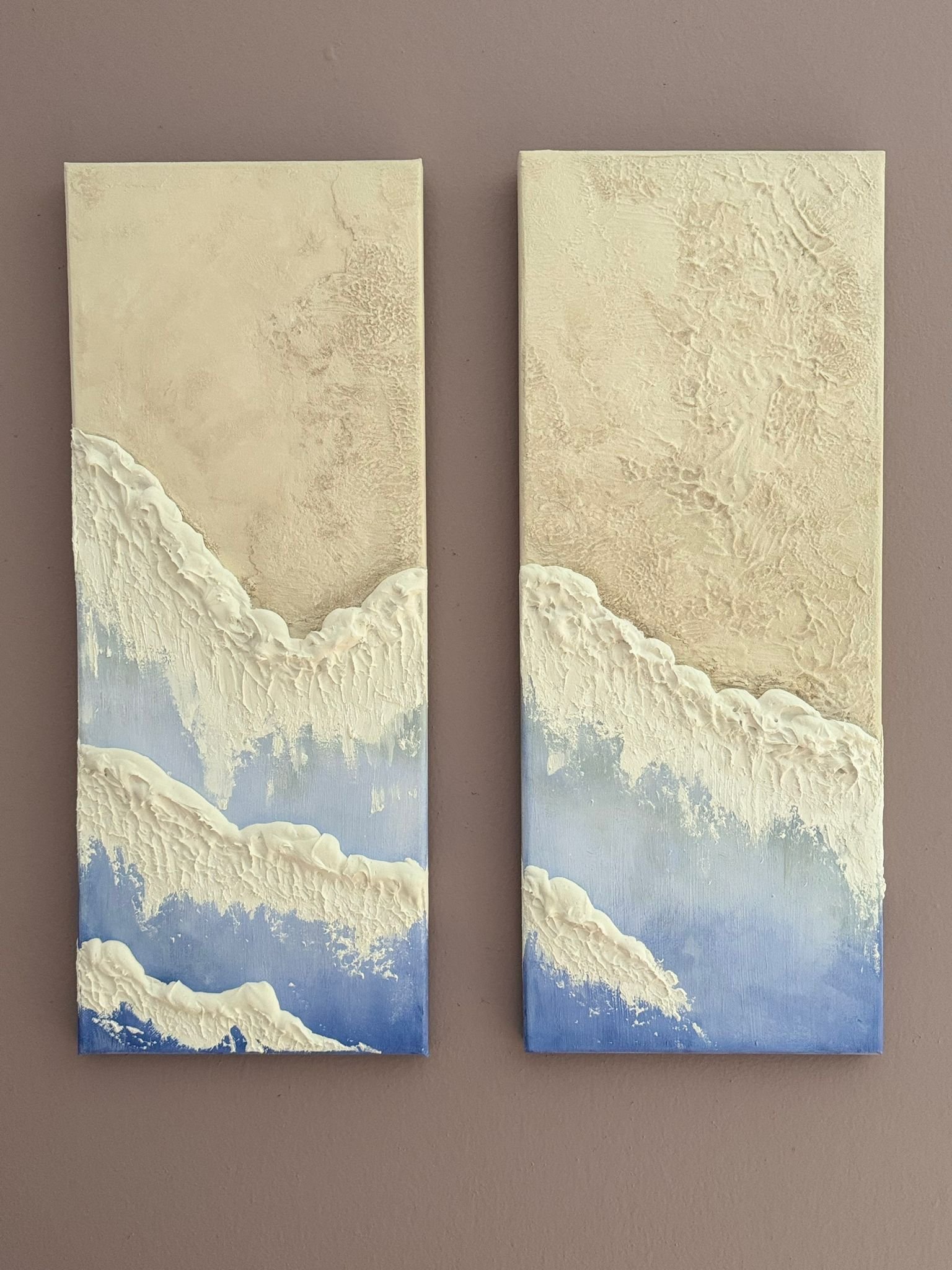
Triptychs add rhythm without overwhelming the room.
Usually around 60-75% of the sofa width.
Yes. In most layouts, centering creates balance and cohesion.
Absolutely. One oversized piece often creates a cleaner and more elevated look.
The center should generally sit around 57-60 inches from the floor.
Textured abstract wall art, neutral canvas paintings, and sculptural pieces work especially well.
Usually yes. Texture naturally adds visual weight and depth.
The right piece of wall art does more than fill empty space. It shapes how a room feels.
When proportion, layout, and texture work together, the entire interior feels calmer, more intentional, and more elevated.
We personally love oversized textured pieces because they add depth and softness without relying on excessive color or busy composition. They create visual impact in a quieter way.
If you are currently redesigning your living room or trying to style a blank wall, start by measuring first, thinking about proportion, and choosing artwork that feels connected to the room instead of separate from it.
That small shift changes everything.



Sign up to grab 10% off your first order and be the first to hear about new drops and exclusive deals!