Wall Art: Handcrafted vs Mass-Produced Pieces is about more than choosing something attractive for your walls. It is about deciding what kind of home you want to create, what values you want your purchases to reflect, and how long you expect those pieces to remain part of your life.
Over the years, we have seen homes filled with inexpensive, mass-produced decor that looked great for a season but quickly lost their appeal. We have also seen handmade artwork become the one thing people refuse to replace, even after redesigning an entire room. That difference is worth exploring.
People are becoming more intentional about what they bring into their homes.
For a long time, convenience drove most decorating decisions. Need wall art? Open a website, choose a print, and have it delivered two days later.
Today, many homeowners want something different.
They want pieces that feel personal. They want decor that reflects their personality rather than whatever happens to be trending in a warehouse catalog. They want items with character, texture, and a story behind them.
That is where handmade art stands apart.
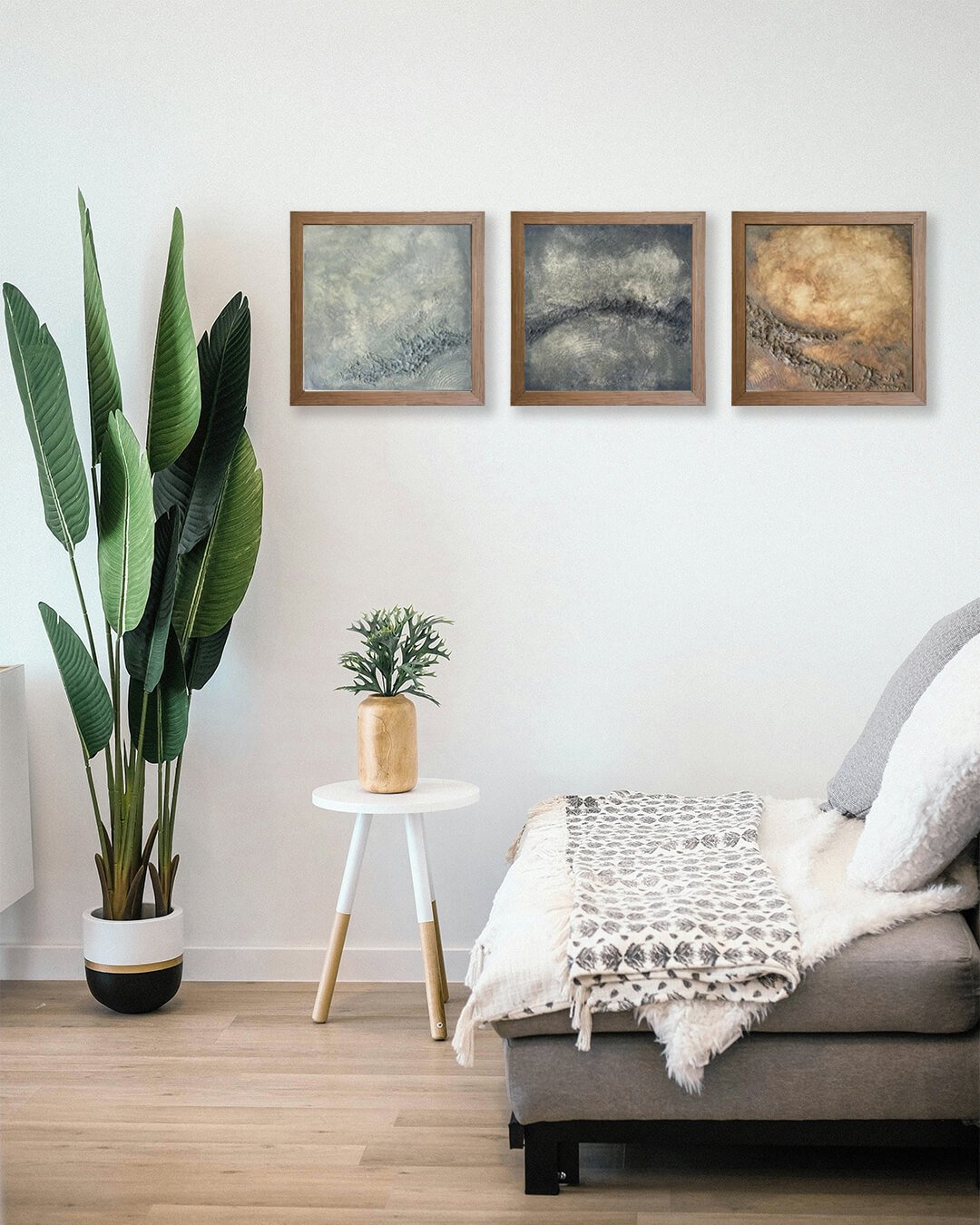
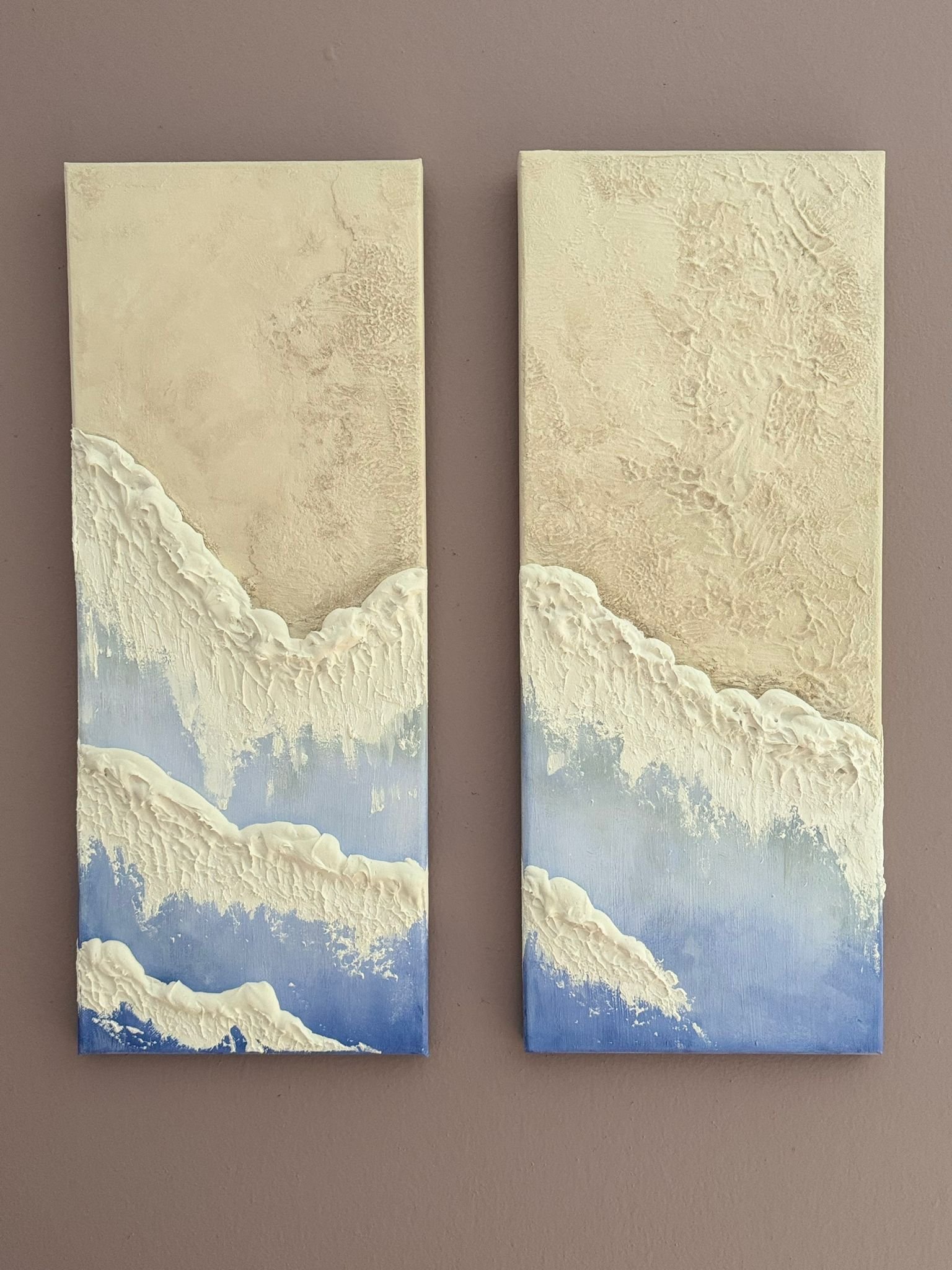
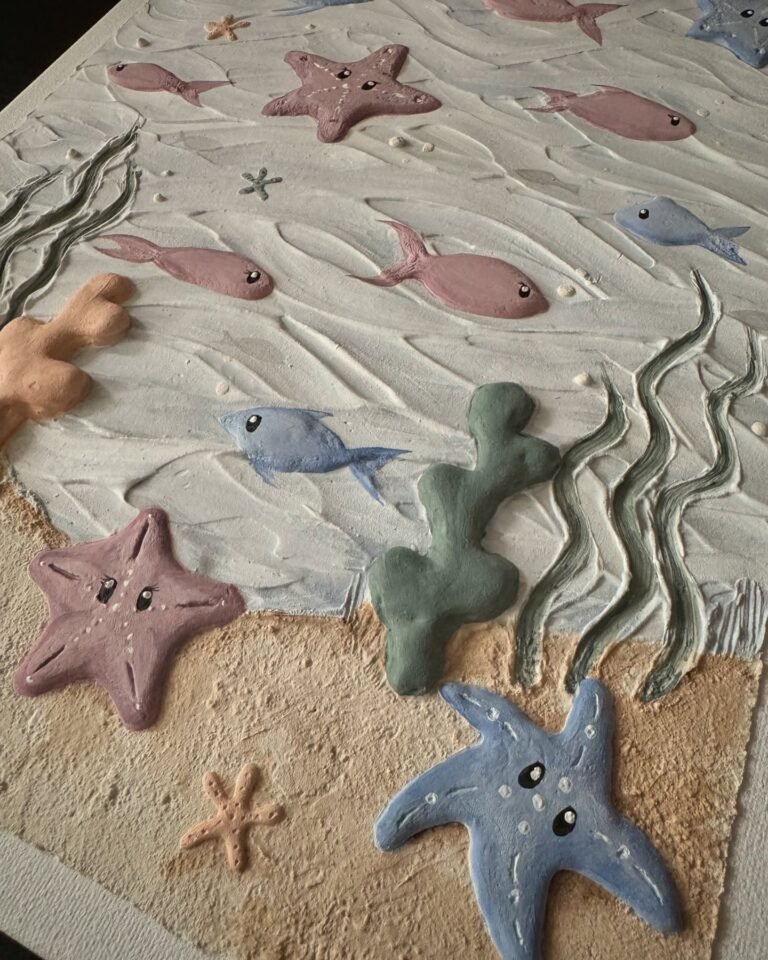
Every handmade piece carries evidence of the person who created it. You can often see the brush movement, the layered texture, the subtle imperfections, and the decisions made throughout the creative process.
Those details create authenticity that simply cannot be duplicated through mass production.
The difference comes down to how the piece is created.
A handmade artwork is created by an artisan using skill, experience, and individual craftsmanship. A mass-produce product is designed to be replicated thousands of times with as little variation as possible.
Neither approach is inherently wrong.
However, they serve very different purposes.
Mass-produced pieces are built around efficiency. Handmade art is built around artistry.
When we compare a handmade piece to mass-produced pieces, several distinctions become obvious.
A skilled artisan spends time refining every detail.
The texture is applied intentionally. Materials are selected carefully. Finishes are adjusted throughout the process.
There is room for creativity and adjustment.
That level of involvement is difficult to replicate through automated production processes.
Mass production focuses on creating identical products repeatedly.
This creates consistency, but it also removes much of the individuality that makes art feel special.
You may find the exact same piece hanging in hundreds or thousands of homes.
For some buyers, that is perfectly acceptable.
For others, it removes the emotional connection that makes decorating meaningful.

In many situations, yes.
When most people think about sustainability, they immediately think about recycled materials or eco-friendly packaging.
Those factors matter, but sustainability is much broader than that.
A truly sustainable purchase considers materials, production methods, transportation, waste generation, and longevity.
Many artisan studios operate through smaller batches or made-to-order systems.
This reduces overproduction and excess inventory.
Large manufacturers frequently produce thousands of units before knowing exactly how many will sell. Unsold products eventually become waste.
Smaller-scale production helps avoid that issue.
Many artists intentionally use responsibly sourced materials.
That might include reclaimed wood, natural fibers, recycled canvas, or low-impact finishes.
Some creators even use locally sourced materials to reduce transportation-related emissions.
This approach reduces environmental impact while supporting sustainability goals.
One of the most overlooked aspects of sustainability is durability.
A piece that lasts twenty years is often more sustainable than a cheaper alternative replaced every two or three years.
This is one reason handmade wall art tends to align naturally with sustainable living.
The goal is not constant replacement.
The goal is choosing pieces you genuinely want to keep.

Because it was created by a person, not a production line.
That may sound simple, but it changes everything.
There is something inherently meaningful about owning an object that required someone’s time, creativity, and expertise.
As someone who works in interior design, I often notice that clients remember the stories behind their handmade purchases.
They remember where they found them.
They remember the artist.
They remember why they connected with the piece in the first place.
Nobody tends to tell stories about a generic item ordered because it happened to match the sofa.
Even when an artist creates a series, no two pieces are completely identical.
Slight differences in texture, layering, color application, or composition create individuality.
That uniqueness makes a room feel collected rather than assembled.
The best interiors are not necessarily the most expensive.
They are the ones that feel personal.
A handmade artwork often tells a story about craftsmanship, creativity, and intention.
It becomes more than decoration.
It becomes part of the home’s identity.
Often, yes.
Quality is one of the biggest reasons homeowners continue investing in artisan-made pieces.
Many handmade creators select materials based on performance rather than cost alone.
That may include premium canvas, solid wood frames, natural pigments, durable finishes, or high-quality textural compounds.
Mass-produced items frequently rely on cost-efficient materials to maintain profitability at scale.
Handmade work allows for ongoing quality control.
Artists inspect their work continuously during creation.
If something does not look right, they adjust it.
Large-scale manufacturing depends on systems and batch inspections rather than individual evaluation.
The combination of stronger materials and superior craftsmanship often leads to better durability and longevity.
This contributes to the lasting value that many buyers seek when investing in home decor.
Read: 2026 Wall Art Trends: Transform Your Space with Texture & New Art Styles

It adds depth, personality, and authenticity.
Many homes today look remarkably similar.
Open social media and you will often see the same furniture, the same accessories, and the same decorative trends repeated over and over.
Handmade art helps break that cycle.
A thoughtfully selected artwork can become the centerpiece of an entire room.
Instead of filling walls with multiple decorative objects, one statement piece can anchor the space.
This approach often creates a cleaner and more sophisticated design.
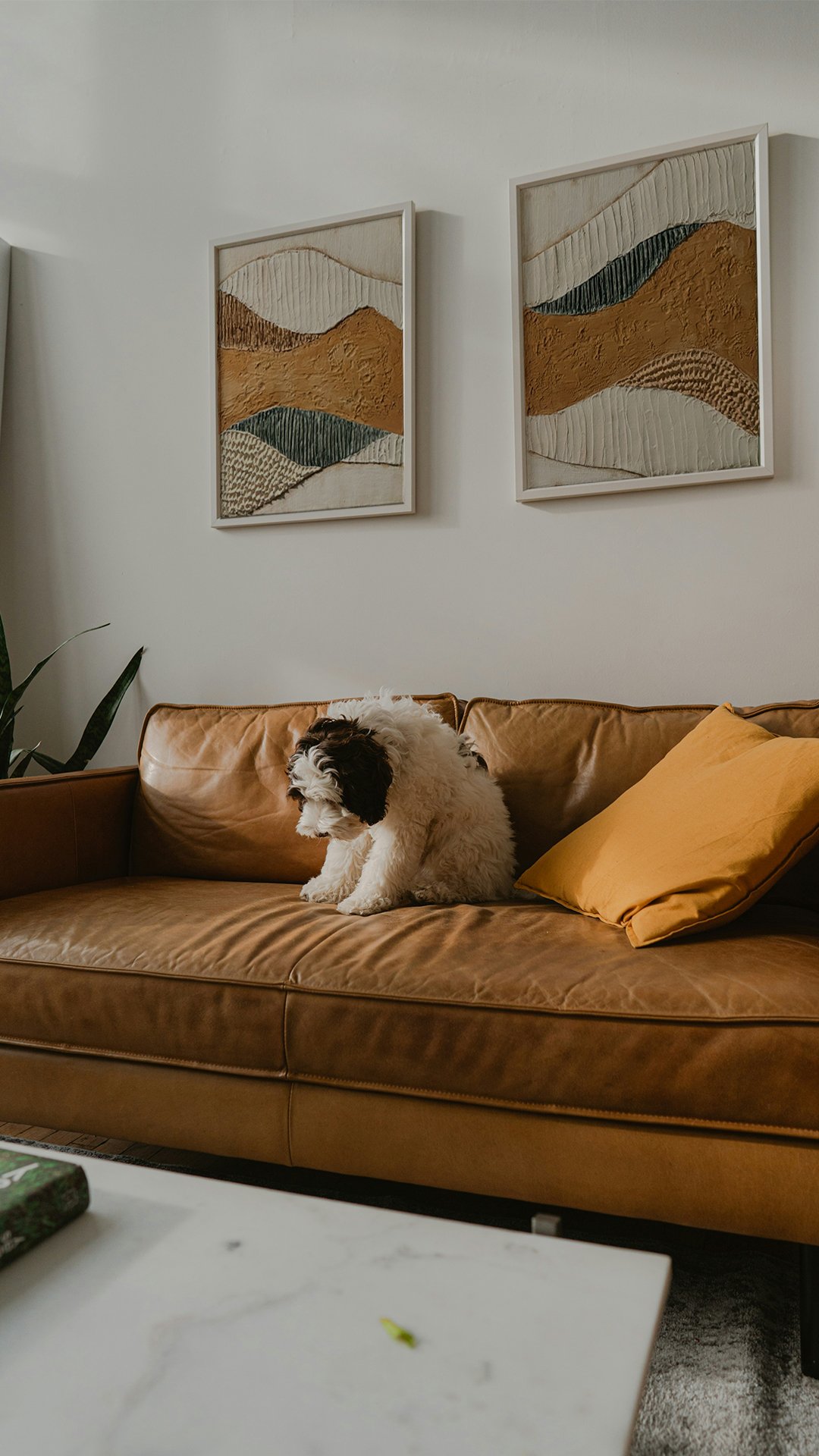
Textured artwork introduces visual depth that printed reproductions cannot achieve.
Light interacts differently with raised surfaces.
Shadows shift throughout the day.
The piece feels more dynamic and engaging.
Many contemporary interiors can feel polished but somewhat impersonal.
Handmade art introduces warmth and humanity.
It softens a space without sacrificing elegance.
learn about Biophilic Design: How Textured Wall Art Connects Your Home to Nature
Not at all.
Mass-produced decor exists because it fulfills a real need.
It offers accessibility, affordability, and convenience.
For someone furnishing a first apartment or working with a limited budget, factory-made products can be incredibly useful.
The issue is not that mass-produced items exist.
The question is whether they align with your long-term goals.
If you are creating a home meant to evolve slowly over time, investing in fewer, higher-quality pieces often provides better results than purchasing many temporary items.
Are you decorating quickly or building a home you plan to enjoy for years?
Your answer matters.
Look closely at materials, finishes, and construction methods.
Quality becomes easier to recognize with experience.
Ask yourself how long you expect the piece to remain in your home.
The longer its lifespan, the lower its overall environmental footprint.
Does the piece make you feel something?
Would you miss it if it disappeared tomorrow?
Those questions often reveal whether a purchase is meaningful or simply convenient.
The goal is not filling every wall immediately.
The goal is creating a collection you genuinely enjoy living with.
Handmade work requires significantly more labor, expertise, and time. Artists also tend to use higher-quality materials and produce smaller quantities.
Not automatically. Sustainability depends on materials, sourcing, production methods, and durability. However, many artisan creators intentionally prioritize environmentally responsible practices.
Absolutely. Handmade pieces work beautifully in contemporary, minimalist, organic modern, Scandinavian, and transitional homes.
In many cases, yes. Unique pieces often retain greater perceived value because they cannot be replicated exactly.
Look for visible texture, slight variations, artist information, certificates of authenticity, and details that indicate human involvement in the creation process.
When comparing handmade and mass-produced wall art, there is no universal right answer.
Both serve different purposes.
However, if your goal is to create a home with personality, longevity, and meaning, handmade art offers advantages that go far beyond appearance.
A handmade piece brings craftsmanship, individuality, and authenticity into a space. It supports artists, encourages more sustainable consumption habits, and creates a stronger emotional connection with the objects we live alongside every day.
The most memorable homes are rarely filled with the most expensive things.
They are filled with pieces chosen carefully, thoughtfully, and intentionally.
And more often than not, those are the pieces we keep the longest.




Sign up to grab 10% off your first order and be the first to hear about new drops and exclusive deals!