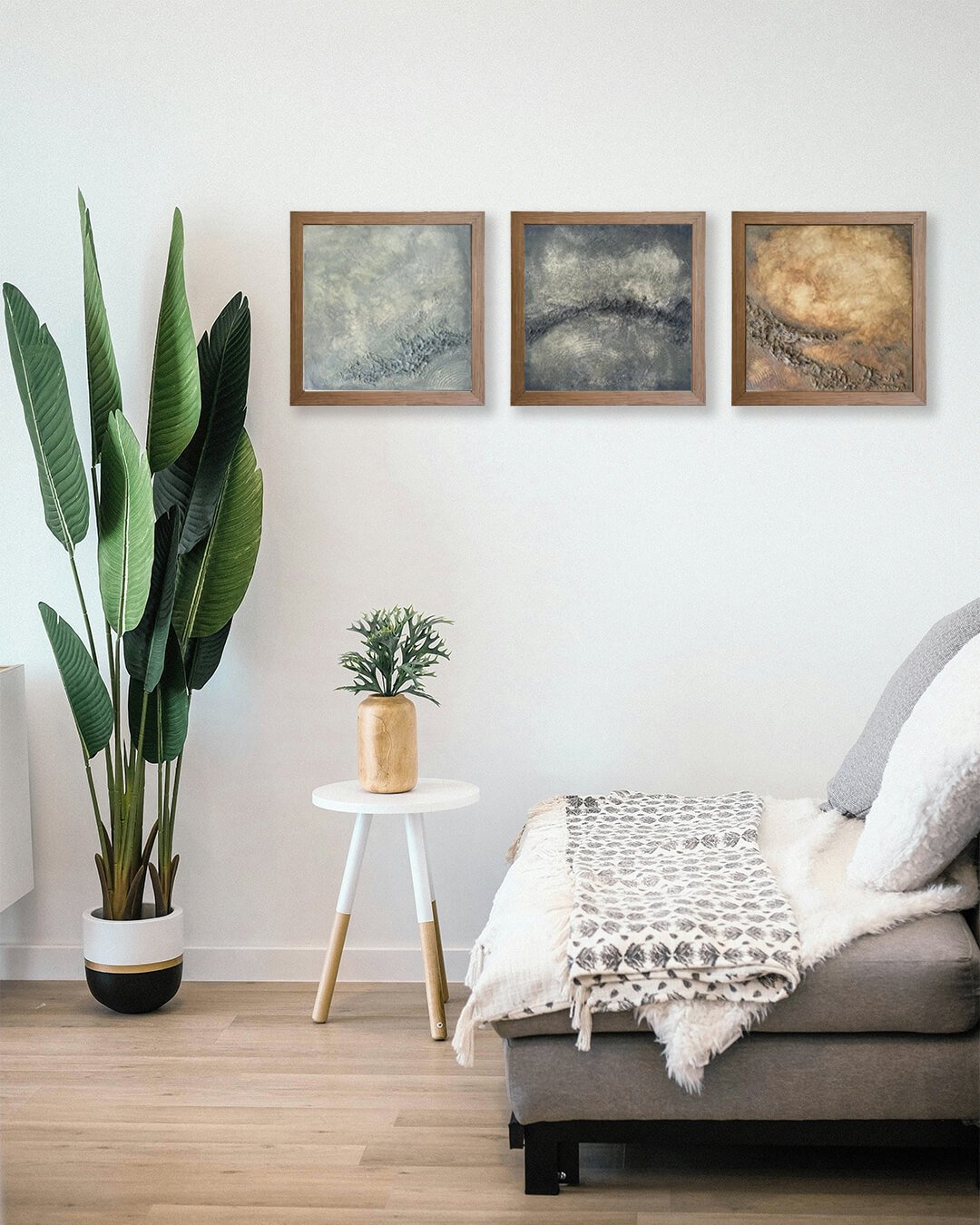
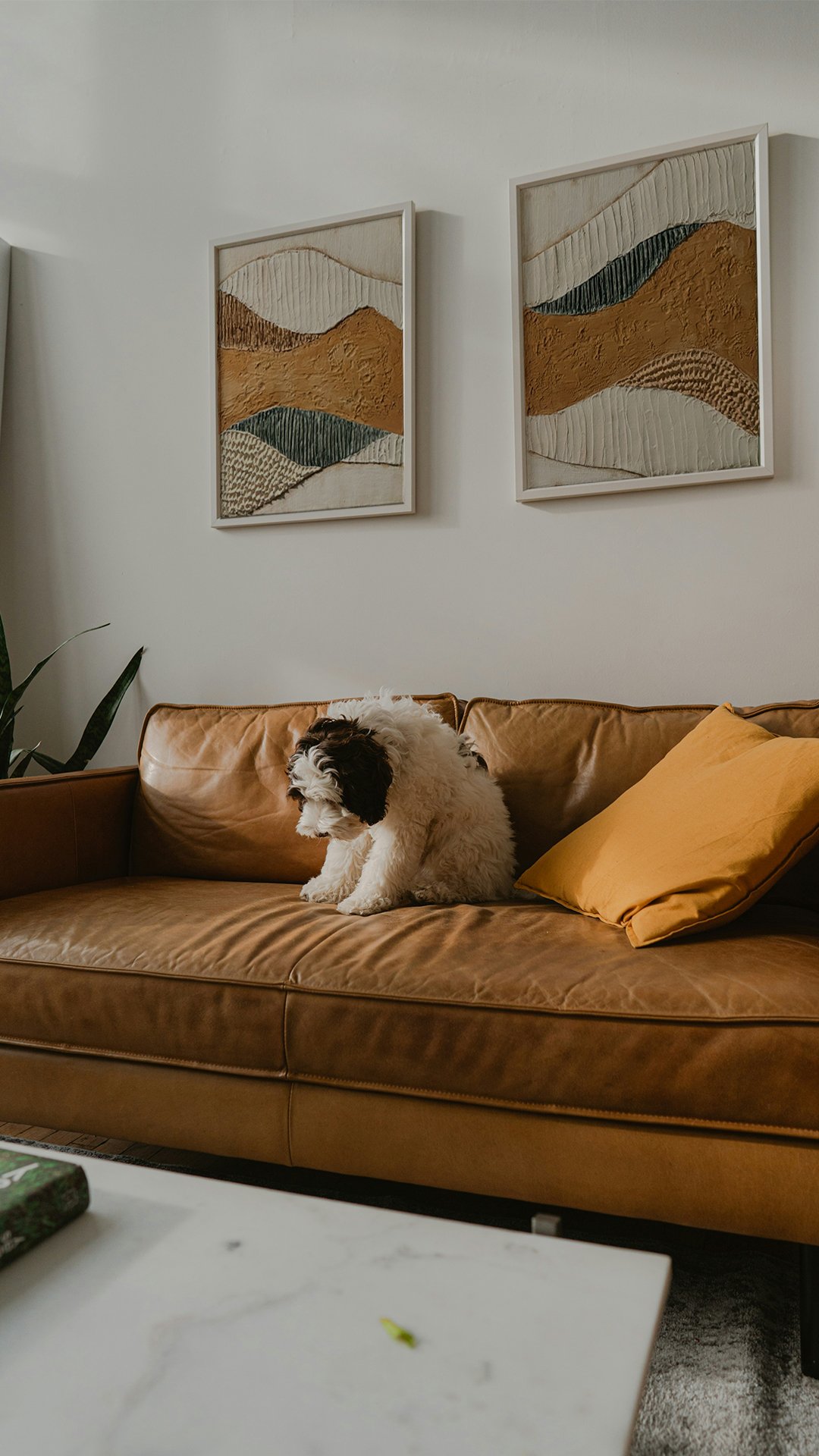
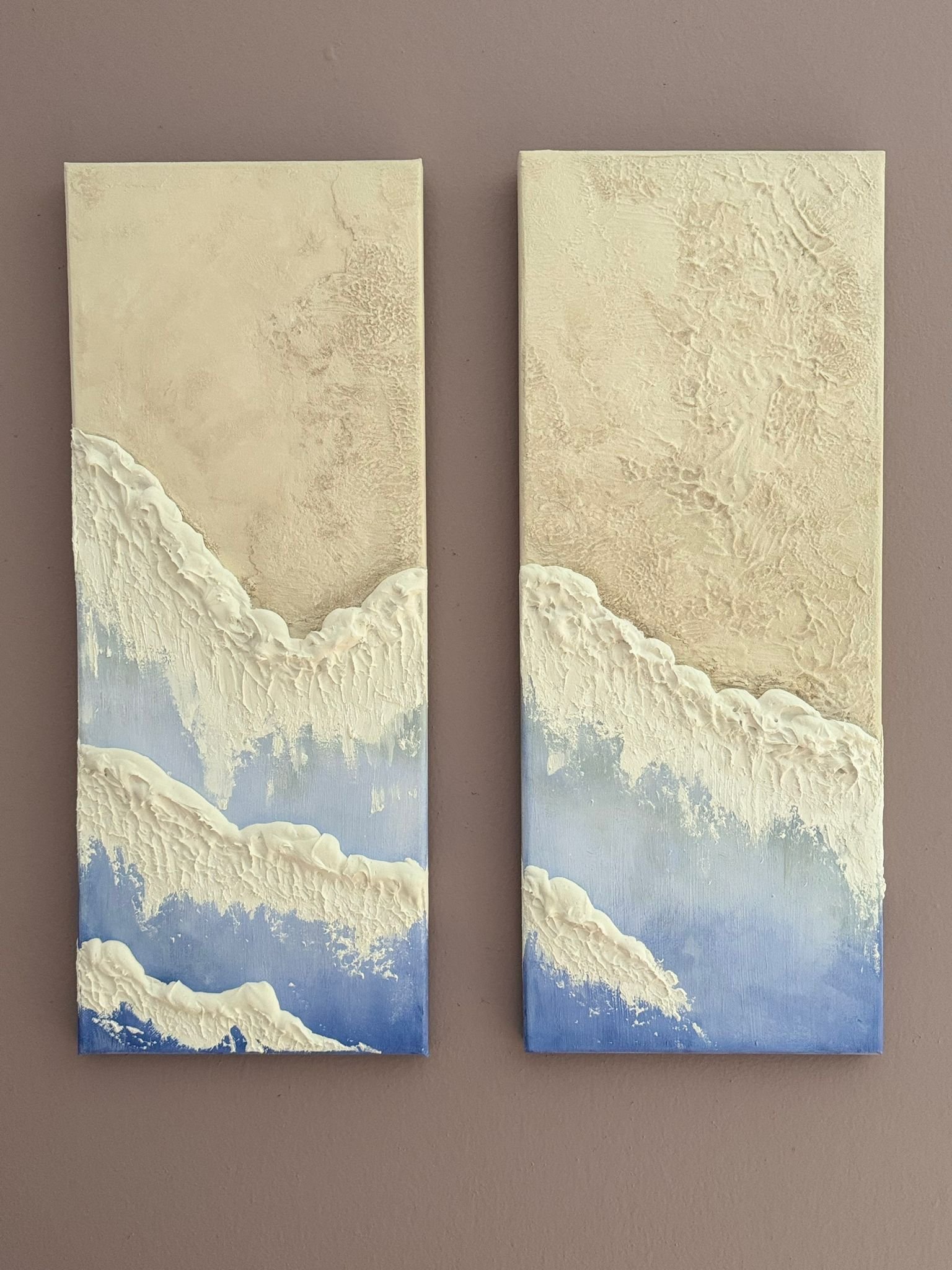
Nature-inspired textures refer to surfaces, materials, and finishes drawn from the natural world – think raw plaster, woven fiber, reclaimed wood, stone, and layered earthy pigments. When incorporated intentionally into a contemporary home, these organic elements create a sense of calm, warmth, and tactile richness that synthetic materials simply cannot replicate. This post covers exactly how we approach that process, from the walls to the furniture, and what makes the difference between a room that looks good and one that genuinely feels like a sanctuary.
Key Points / Quick Summary
The term “nature-inspired textures” gets used a lot, but what does it actually mean in practical terms? It refers to any surface quality or material that draws directly from what exists in the natural world. Rough stone, smooth river pebble, the grain of wood, the weave of jute, the dimpled surface of hand-thrown clay – these are all nature-derived textures. When we bring them indoors, through furniture, wall treatments, soft furnishings, or art, we are doing something the human brain finds genuinely calming.
This is not just a design opinion. Research on biophilic design confirms that incorporating natural elements through texture enhances overall comfort and emotional well-being, with natural textiles, varied textured surfaces, and organic materials working together to enhance sensory experience and trigger positive emotional responses.
The reason this matters for homeowners right now is that the current interior design direction has been moving firmly toward organic, nature-led aesthetics. Naturewall’s 2026 trend report describes this as “Organic Invitation” – a grounded aesthetic that combines calm minimalism with comforting texture, alongside shades of light oak, clay-toned neutrals, mossy greens, and soft stone tones. In short, this is a timeless direction with real momentum behind it.
Here is the honest difference: synthetic texture imitates the look of natural materials without carrying any of the tactile variation that makes organic surfaces interesting. A printed wood-grain laminate looks like wood from across the room but tells a different story the moment your hand touches it. Organic texture has irregularity built in – no two pieces of reclaimed wood are identical, no two handcrafted plaster canvases have exactly the same surface.
That irregularity is, paradoxically, what creates the sense of sophistication and elegance in a well-designed room. Perfectly smooth, perfectly uniform surfaces can feel cold. Organic texture feels considered. It has warmth.
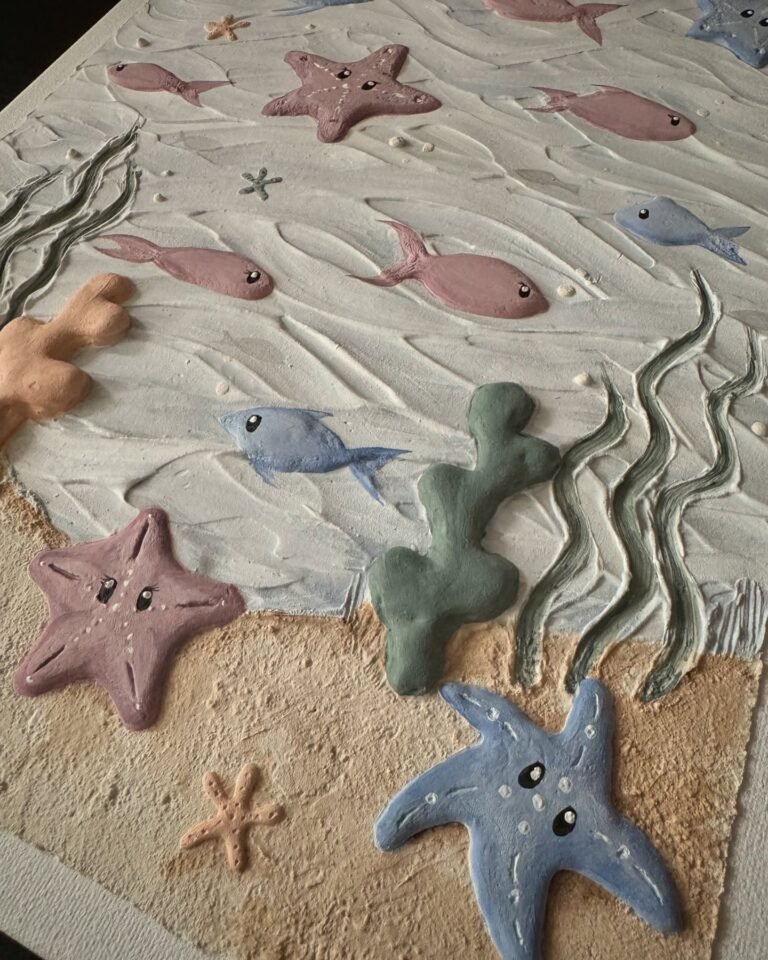
This is one of the core reasons we focus on handcrafted, plaster-based wall art at My Home Art & Decor. Each piece has a surface that responds to light differently throughout the day, and that tactile quality is something you simply cannot replicate with a flat print.

Biophilic design is the intentional practice of connecting indoor spaces to the natural world. The term “biophilic” comes from the Greek root for love of life and living things, and as a set of design principles it goes well beyond simply adding plants to a room. According to design experts, biophilic design incorporates natural elements, organic materials, and nature-inspired patterns to create spaces that enhance well-being and reduce stress, with large windows and skylights used to maximize natural light as one of the foundational tools.
For a contemporary home, applying biophilic design principles does not mean turning your living room into a greenhouse. It means being intentional about the surfaces you choose, the materials your furniture is made from, the colors on your walls, and the art you hang. Each of these decisions either moves you closer to a space that feels connected to the outdoors or farther from it.
The good news is that you can make meaningful progress with just a few well-placed changes. A wool rug on a concrete floor, a plaster canvas on a stark white wall, a linen curtain replacing a synthetic one – these small shifts combine into a room that feels fundamentally different.
The material palette for biophilic design is wide, but the most commonly used elements in contemporary interiors include the following:
Wood – both raw and refined, from visible ceiling beam details to smooth oak furniture with natural grain. Reclaimed wood carries extra depth because the aging and imperfection are visible.
Stone and clay – whether used in architectural finishes, ceramics, or art. Plaster and clay-based wall art falls squarely in this category, and the hand-applied surface captures something that machine-made pieces cannot.
Fiber – jute, wool, linen, and woven materials used in rugs, upholstery, cushions, and wall textiles. These materials add softness and a tactile quality that grounds a room.
Botanical and landscape references – not only live plants, but art inspired by natural forms: the curve of a leaf, the erosion pattern of a river, the layering of sediment in stone.

Wall art is one of the fastest and most impactful ways to introduce organic textures into a contemporary interior. A well-chosen piece of art can transform a flat, neutral room into something that has presence and dimension. And because art does not require you to change your furniture or repaint your walls, it is the most accessible starting point for most homeowners.
The key is selecting art that actually carries texture rather than merely depicting it. A photograph of bark is not the same as a canvas whose surface has been built up with plaster, mixed media, or layered organic pigments. The former gives you an image. The latter gives you a tactile, three-dimensional surface that interacts with the light in your room.
For rooms where the design goal is organic warmth and biophilic calm, the best textured art shares a few qualities:
Material authenticity – plaster, clay, natural pigment, and mixed media with organic components. The surface should feel made, not printed.
Earthy, muted palette – warm whites, sand, terracotta, dusty sage, clay, and soft ochre. Avoid anything overly saturated or graphic in a space where the intention is calm.
Organic form – asymmetry, layered marks, and surfaces that suggest natural processes. Think erosion, water movement, mineral stratification, or the texture of bark.
Appropriate scale – in a living room, a single large-scale piece that serves as a focal point is more effective than several small prints. The art should anchor the wall rather than decorate it.
Our Nature Wall Art Collection is built around exactly these qualities – pieces inspired by natural landscapes, crafted with plaster and organic materials, and designed to bring the outdoors inside in a way that works beautifully in contemporary rooms.
If you are curious about making your own pieces as a starting point, our blog DIY Textured Canvas Art Ideas for Wall Design covers hands-on methods for building organic surface texture at home.
Applying organic textures throughout a home works best when you think about each room separately. The way natural elements function in a living room is different from how they work in a bedroom or entryway. Here is how we approach each space.
The living room is where organic design has the most impact because it is the room where people spend the most time and where the overall aesthetic is most visible. Here are the elements that work together to create a cohesive, nature-inspired living room:
Anchor the room with a large, textured canvas. A single piece of handcrafted wall art in earthy tones – warm plaster, sandy neutrals, or soft terracotta – immediately gives the room a focal point that reads as intentional and considered. Place it above the sofa or on the main wall that faces the entry.
Layer organic materials in the furnishing choices. A jute or wool rug underfoot adds texture at the base of the room. Linen or woven upholstery on the sofa or chairs introduces softness. A wooden side table or shelf with natural grain adds depth to the vertical planes.
Use soft furnishings to add tactile warmth. Cushions in textured fabrics – boucle, woven cotton, or chunky wool – and a soft blanket draped over a chair add the cozy, lived-in quality that makes a room feel welcoming rather than staged.
Combine organic and clean lines. Nature-inspired decor does not mean rustic. Contemporary rooms with clean lines look stunning when paired with organic art and natural materials. The juxtaposition of the sleek with the natural is part of what gives the room its sophistication.
Design experts suggest choosing large wall pieces made of driftwood, clay, or linen to create a calming focal point, then pairing them with organic elements in the surrounding decor to create an immersive, layered space.
In a bedroom, organic texture serves a different purpose than in a living room. Here, the goal is serenity and calm rather than visual richness. Fewer elements, handled carefully, create a better result.
A single piece of textured wall art above the bed – in pale, muted tones with a quiet, organic surface – anchors the space without creating visual noise. The bedroom is also where soft furnishings can carry the most weight: a heavy linen duvet cover, a chunky wool blanket at the foot of the bed, and a natural fiber rug are the materials that make the room feel genuinely restful.
Keep the palette tight. In a bedroom, two or three closely related earthy tones – soft white, warm sand, and a hint of pale sage or dusty terracotta – create a harmonious environment that invites rest. Any additional color or strong contrast will work against the intention of the space.
Lighting in the bedroom should be warm and directional. A wall-mounted sconce or a lamp positioned at an angle to the textured art will enhance the surface detail and create the kind of soft, atmospheric glow that makes organic materials look their best.

One of the things that holds some homeowners back from committing to a nature-inspired interior is the concern that earthy colors will make a room feel heavy or dated. The reality is the opposite when the palette is built correctly.
Here is how we approach a nature-inspired palette:
Start with a warm neutral as the base. This could be a soft off-white with warm undertones, a pale sand, or a light stone. This base color lets organic materials and art do their work without competing with the wall color.
Add one or two earthy accent hues. Terracotta on a cushion, a soft olive in a ceramic piece, a warm ochre in a woven rug – these bring the palette to life. The key is restraint: one or two accents work; three or four start to feel busy.
Let natural materials carry the rest. Wood grain, stone surfaces, jute, linen – these all have inherent color variation that adds richness to the palette without requiring you to add more painted surfaces or pattern.
Use art to introduce a focal hue. A textured canvas in warm clay tones against a white wall can anchor an entire color story for the room. Choose the art before you finalize the accent colors in your soft furnishings, and let it guide the rest of the palette choices.
The hue range that works most reliably in contemporary homes with a nature-inspired aesthetic: warm whites, light stone, pale clay, soft terracotta, muted sage, warm beige, dusty rose, and weathered wood tones. Avoid anything too saturated, too cool-toned, or too dark unless you have excellent natural light.
This is the practical process we use and recommend. It is not complicated, but doing it in the right order makes a significant difference.
Step 1: Assess what you already have Before buying anything, look at your room honestly. What materials are already present – and are they warm or cold? A room full of synthetic materials and cool-toned surfaces needs more intervention than a room that already has wood floors and natural light. Start by noting what is working and what is missing.
Step 2: Identify your wall as the highest-impact surface In most contemporary homes, the walls are the largest uninterrupted surface in the room. A single, well-chosen piece of textured art can do more to transform the energy of a space than any other single change. Start here.
Step 3: Choose your art before your accessories Select the wall art first. Let its palette, material, and scale guide everything that comes after – the rug, the cushions, the ceramic pieces, the throw blanket. This prevents the common mistake of accumulating unrelated pieces that each have merit individually but do not work together.
Step 4: Layer materials from the floor up Once the art is in place, layer organic textures from the ground up. A natural fiber rug underfoot, a linen or wool throw on the sofa, a wooden or ceramic surface on the shelf – each layer adds to the overall sense of organic richness without overwhelming the room.
Step 5: Introduce live or botanical elements last Plants, dried grasses, branches, and botanical objects work best as the final layer once the other organic elements are in place. They add life and natural movement, but they need to sit within a composed room to have their full effect. Drop a monstera into a room that has not yet found its material story and it will look like a decoration rather than an element of a considered design.
Step 6: Audit the lighting Natural light is your most important tool in a nature-inspired interior. It brings out the depth of organic textures in a way that artificial light cannot fully replicate. If your room has limited natural light, use warm-toned artificial lighting and position at least one light source to angle across your textured art. The shadow variation this creates will dramatically enhance the tactile quality of the surface.

These are the details that make a real difference in how a room reads.
Do not match textures – contrast them. A smooth linen cushion next to a rough jute throw creates more visual interest than two linen pieces of similar texture. The contrast between smooth and rough, matte and slightly reflective, soft and firm is what adds dimension and keeps the room from looking flat.
Limit your palette, expand your texture range. The most effective nature-inspired rooms work within a tight color palette but introduce a wide range of surface qualities. This gives the room richness without visual noise.
Treat the wall as a surface, not just a backdrop. In a room where organic texture is the focus, even the wall itself can carry texture – limewash paint, plaster finishes, or a large textured canvas are all valid ways to make the wall an active part of the design rather than a neutral background.
Use mirrors strategically. A mirror with a natural wood or stone frame placed opposite a window will enhance natural light and add the reflective contrast that makes earthy, organic rooms feel less heavy. Mirrors in nature-inspired interiors look most natural when the frame material is organic rather than metal or plastic.
Bring in craft and sculpture. A handmade ceramic bowl, a woven wall hanging, or a small sculptural object made from natural materials adds the kind of quiet craft detail that elevates a room from styled to genuinely considered. These are the pieces that make a homeowner’s design feel like it grew from a real point of view.
Weave texture through every layer. Do not limit organic texture to one element. Let it run through the art on the walls, the rug underfoot, the blanket on the sofa, the cushion on the chair, the ceramic on the shelf. Each touch point reinforces the others and creates a room that feels harmonious rather than assembled.
Lighting is the variable that makes or breaks a nature-inspired interior. Organic materials – whether in wall art, furniture, or soft furnishings – are at their best under warm, slightly angled light. Here is why this matters:
Texture is a surface that catches and reflects light. The angle and temperature of the light source determines how much of the surface variation is visible. Direct overhead lighting tends to flatten organic textures. Angled light from a lamp, sconce, or directional ceiling fixture creates the shadow play that reveals the depth of a plaster surface or the weave of a fiber piece.
For rooms with strong natural light, textured organic materials will look beautiful throughout the day as the light shifts. For rooms with limited daylight, positioning two or three warm-toned lamps so that at least one is angled toward your most textural surfaces will do most of the work. Even a single lamp pointed at a plaster canvas in the evening creates a completely different room from what you see in flat overhead light.
The color temperature of your artificial light also matters. Warm white bulbs (around 2700K) enhance earthy, organic palettes. Cool white or daylight bulbs (5000K and above) push everything toward clinical and cold. In a nature-inspired interior, this is one of the easiest and most impactful details to get right.
Q: Is nature-inspired interior design only for bohemian or rustic spaces?
A: Not at all. Organic textures and natural materials work beautifully in contemporary, minimalist, and even sleek, modern interiors. The key is how you apply them. In a clean-lined, contemporary room, a single plaster canvas in earthy tones provides the warmth and dimension that keeps the space from feeling cold, without disrupting its modern character. Nature-inspired does not mean rustic. It means honest materials and surfaces with organic depth.
Q: How do I incorporate natural materials into a rental apartment?
A: Textured wall art is one of the most practical options because it requires only a nail or an adhesive strip and can move with you when you leave. Add a natural fiber rug, a few ceramic pieces, and linen or wool soft furnishings. These are all moveable changes that transform the feel of a space without altering anything structural. Leaning large canvases against the wall rather than hanging them is a completely acceptable approach that also works well aesthetically.
Q: What is the easiest first step toward a more organic, nature-inspired interior?
A: Start with the art. One well-chosen piece of textured, handcrafted wall art in a natural, earthy palette will do more to change the energy of a room than a dozen smaller accessories. Once it is on the wall, the rest of the palette and material decisions become clearer because you have an anchor to build from.
Q: How do I combine organic textures with a minimalist design style?
A: Very effectively, actually. Minimalist interiors benefit enormously from organic texture because it adds the warmth and dimension that pure minimalism can sometimes lack. Choose one large-scale textured piece rather than many small ones. Let it have generous space around it. Keep the color palette tight. The result is a room that is both spare and warm — which is the best version of minimalism.
Q: Can I mix different organic materials — jute, linen, plaster, wood — in the same room?
A: Yes, and in fact you should. The richest nature-inspired interiors layer multiple organic materials. The rule is to keep the palette cohesive so that the variety of texture reads as intentional rather than chaotic. If your jute rug, linen cushions, plaster canvas, and wooden furniture all work within the same earthy, warm neutral range, they will refine and enhance each other rather than compete.
Q: Does textured art require special maintenance?
A: Most handcrafted plaster and mixed media pieces are sealed and can be lightly dusted with a soft, dry cloth. Avoid moisture and direct sustained sunlight. If the piece has deep surface relief, use a small soft brush to clean the crevices. With basic care, quality handcrafted pieces are durable and get more beautiful over time as they become part of the visual history of your home.
Q: How do biophilic design principles apply to apartment living?
A: Biophilic design is just as relevant in a small urban apartment as in a large house. The goal is to introduce elements that connect the interior to the natural world — organic textures, natural light, plants, earthy colors, and materials that came from the earth. In a small apartment, a single large textured canvas, a jute rug, and one or two well-placed plants can be enough to shift the entire character of the space. It is about intention, not scale.
There is something about a room filled with organic, nature-inspired elements that makes you want to stay in it. It is harder to describe than it is to feel. The combination of warm earthy tones, tactile surfaces, natural materials, and the quiet presence of handcrafted art creates an atmosphere that is restful and genuinely luxurious – not in the showy sense, but in the way that a room designed with real care and attention always feels.
We think of the pieces in our collection as the anchors of that kind of space. Each one is made by hand, using organic materials, and designed to work in a contemporary home that values beauty without excess. If you are starting to think about how to elevate your interior in this direction, begin with the wall. One piece that has authentic texture, an earthy palette, and a surface that catches the light will change the room in a way that surprises you.
Browse our full collection at My Home Art & Decor and find a piece that resonates with the way you want your home to feel.
And if you are the type who loves to understand the making as much as the having – our blog on DIY Textured Canvas Wall Art with Drywall Mud walks through how organic surface texture can be created by hand at home.




Sign up to grab 10% off your first order and be the first to hear about new drops and exclusive deals!