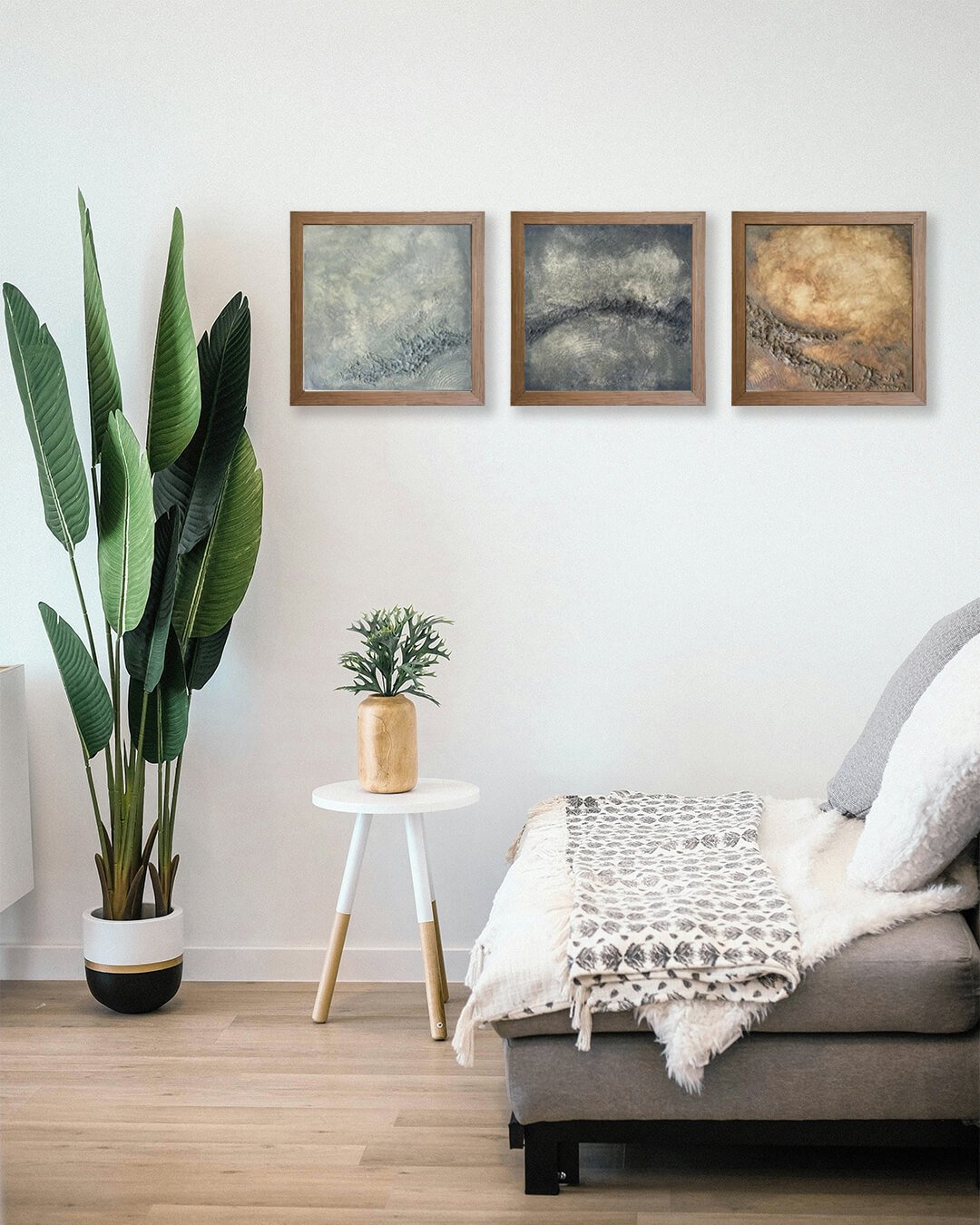
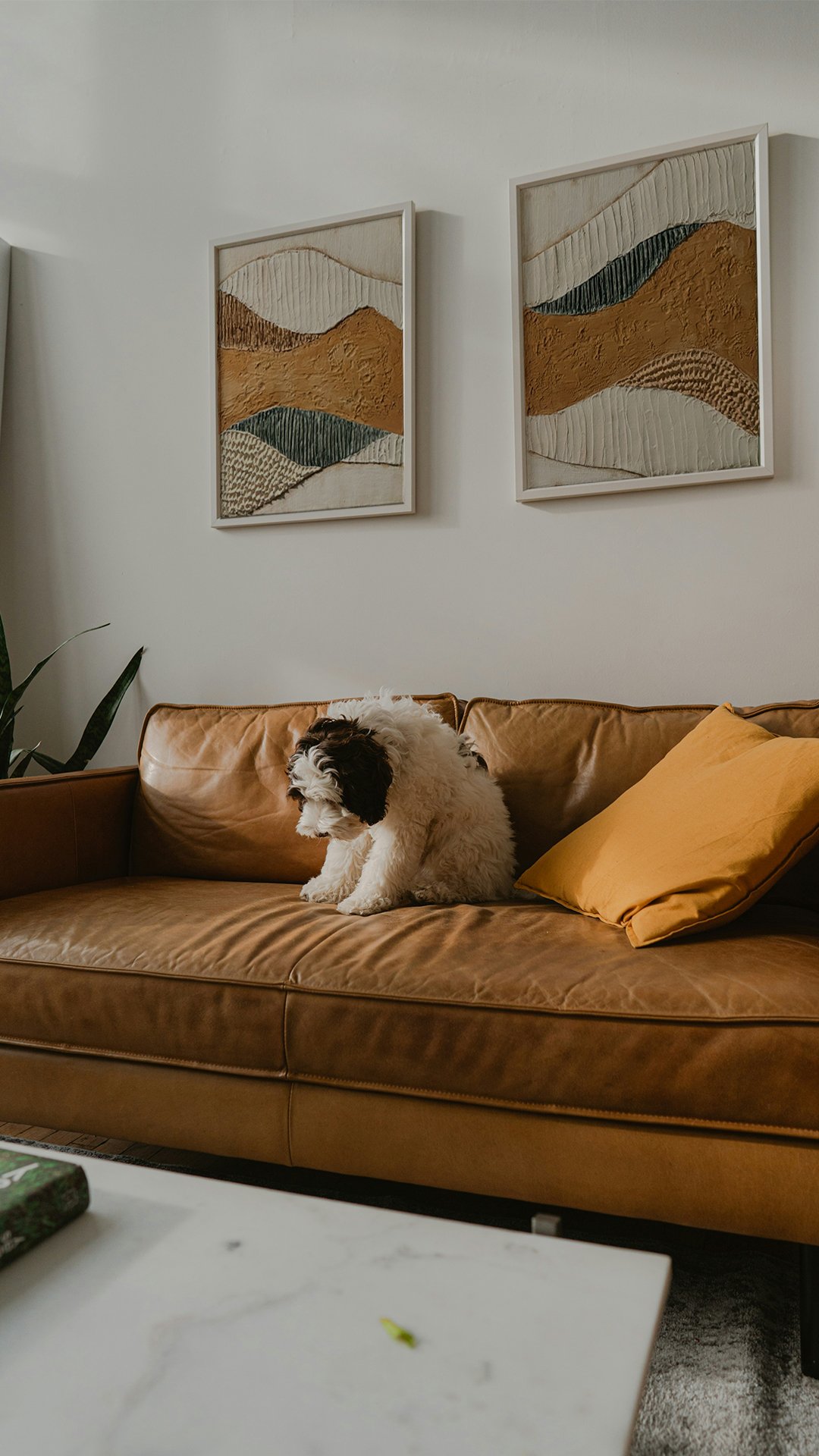
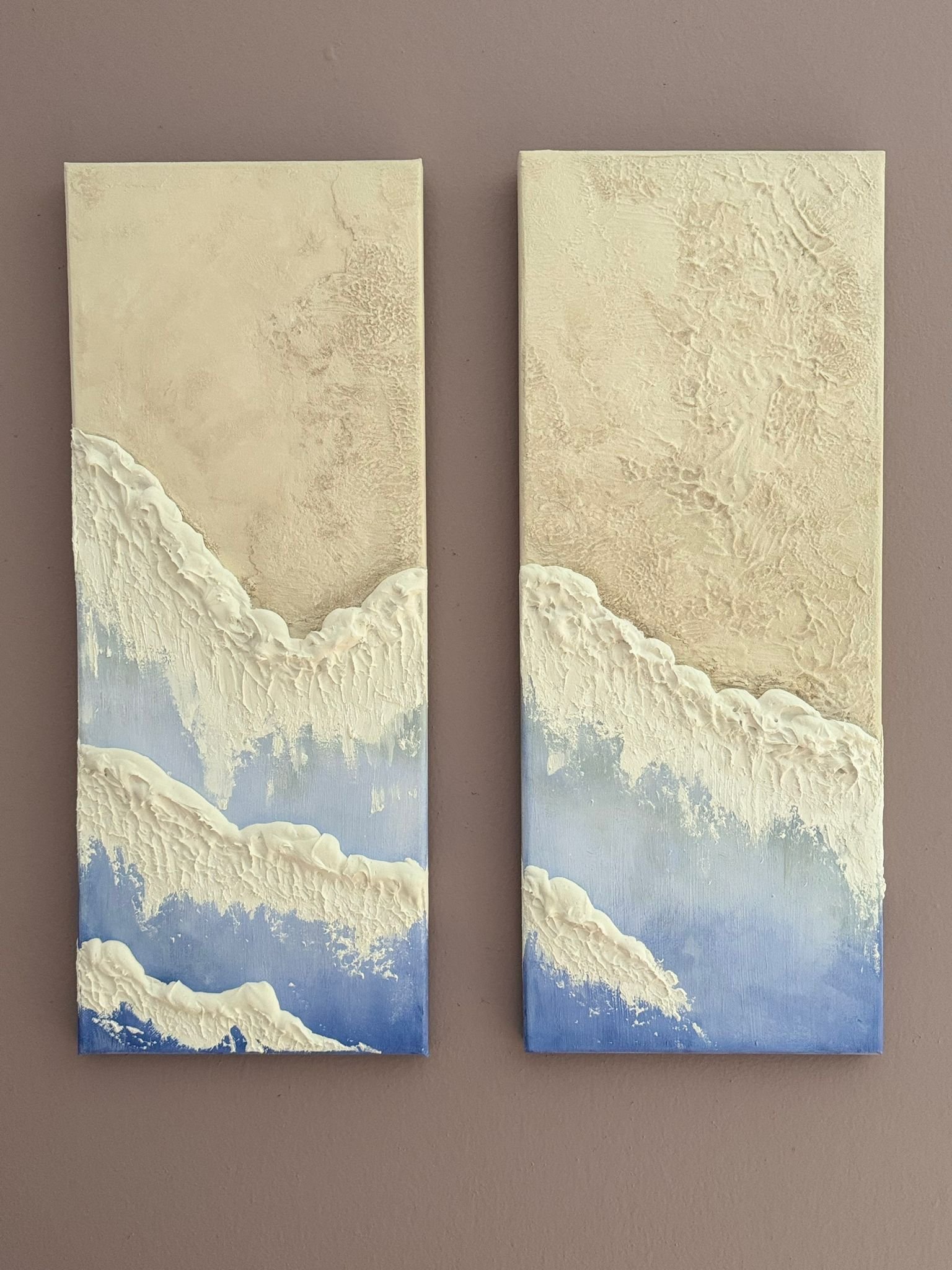
Textured wall art is becoming one of the biggest interior design shifts of 2026 because people want homes that feel warmer, calmer, and more personal. Flat canvas styles still exist, but many homeowners now prefer artwork with texture, raised surfaces, and layered materials that create more depth and visual interest.
In modern interiors, texture adds something flat surfaces cannot. It changes how light moves through a room, creates a stronger focal point, and gives wall decor a more handcrafted and elevated look.
• The rise of texture is changing how people decorate modern spaces
• Textured wall art creates more visual impact than flat prints
• Minimalist interiors now rely on tactile quality instead of bold colors
• Oversized abstract artwork is replacing smaller decorative pieces
• Japandi and wabi-sabi styles continue influencing interior design trends for 2026
• Plaster finishes, impasto techniques, and palette knife details are becoming more common
• Neutral interiors feel warmer and more intentional with layered texture
• Interior designers are using large textured canvas pieces as statement pieces in living rooms
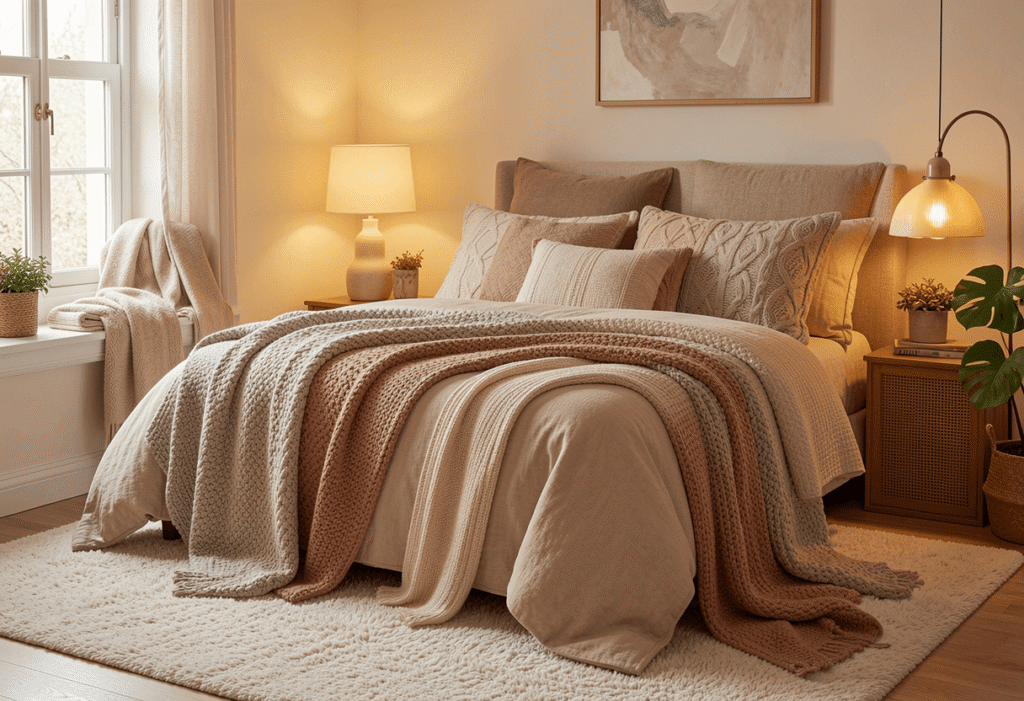
The rise of texture is closely connected to how interior design has changed over the last few years.
Many homes between 2020 and 2025 focused heavily on clean minimalism, smooth finishes, and neutral palettes. While those spaces looked beautiful online, they sometimes felt cold in real life.
Now in 2026, homeowners want interiors that feel softer and more lived-in.
Here’s why texture matters so much now.
People are spending more time at home, especially in open-plan homes where one room often serves multiple purposes.
Texture helps those spaces feel layered and balanced without needing excessive decor.
A tactile surface naturally creates warmth and richness. That is why textured wall art works so well in living rooms, bedrooms, and minimalist interiors.
Instead of adding more furniture or accessories, many homeowners are choosing a single large textured canvas as the focal point of the room.
That approach feels calmer and more intentional.
Flat surfaces dominated modern wall art for years. We saw clean print designs, monochrome canvas art, and smooth framed artwork everywhere.
Now people are moving away from flat prints because they often lack material richness.
Textured surfaces interact with light differently throughout the day. Raised surfaces create shadows, depth, and movement.
This subtle variation creates visual interest without needing loud patterns or bold colors.
That balance matters in modern interiors where people want simplicity without making the room feel empty.
Texture helps minimalist spaces feel softer.
A neutral or monochrome room can sometimes look unfinished if every material is smooth. Adding tactile artwork introduces depth while still preserving a calm atmosphere.
This is especially important in minimalist interiors inspired by japandi and wabi-sabi aesthetics.
Both styles prioritize:
• natural materials
• subtle textures
• handcraft details
• softness
• imperfect finishes
Textured abstract paintings fit naturally into those environments because they create dimension without visual chaos.
Read: How to Make Textured Paint for Walls + DIY Textured Wall Art Techniques

Flat prints are not disappearing completely. They still work in certain homes and gallery-style spaces.
But many people now feel that traditional print artwork lacks personality.
One thing many interior designers noticed after 2025 is that overly polished homes started feeling repetitive.
The same neutral sofa.
The same abstract print.
The same smooth canvas.
The same minimalist backdrop.
There was nothing technically wrong with those interiors, but they lacked tactile quality.
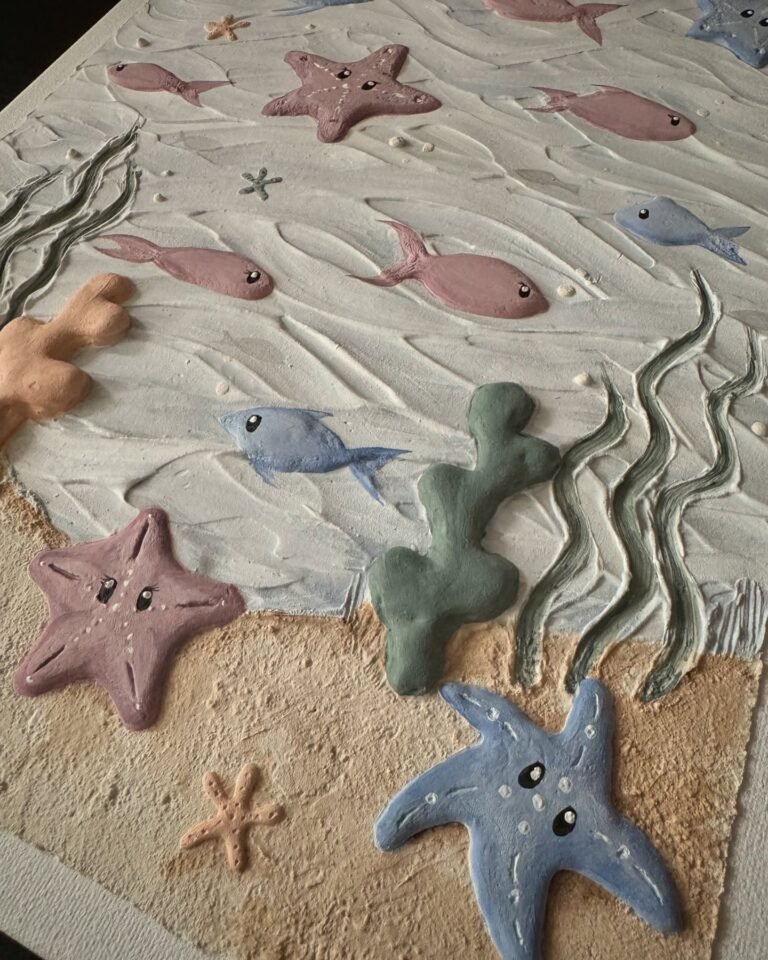
Modern textured artwork introduces imperfection in a good way. Brushstroke details, layered plaster, and palette knife techniques create authenticity that machine-made prints often miss.
That authenticity changes the perceived value of the art piece.
Layer matters more than color in many trends for 2026.
A textured abstract piece with layered materials immediately feels more dynamic than a completely flat surface.
Some popular combinations include:
• plaster and linen
• canvas and metallic leaf
• sculptural paste textures
• palette knife oil paintings
• mixed materials with organic fibers
These details create a stronger connection between artwork and interior architecture.
That is one reason textured abstract art is becoming so common in popular interior styling projects.
Texture often makes artwork feel more premium.
Even subtle textures create the impression of handcraft and originality.
This matters because many homeowners are becoming more selective about décor purchases. People want fewer pieces, but they want those pieces to feel intentional.
Oversized abstract wall art with tactile finishes naturally creates stronger visual impact than a flat print.
That difference becomes especially noticeable at eye level in living rooms or entryways.

Not all texture looks the same.
Some styles feel organic and soft. Others feel sculptural and architectural.
These are the biggest textured wall art trends for 2026.
Plaster texture continues growing in popularity because it works beautifully with neutral interiors.
Impasto techniques create raised surfaces that reflect light softly across the canvas.
This style pairs especially well with:
• soft neutrals
• organic furniture
• natural oak finishes
• modern wall decor
• minimalist interiors
Many textured canvas art pieces now combine plaster texture with abstract paintings inspired by stone, sand, or natural landscapes.
Modern textured abstract styles are leading the market right now.
These pieces usually feature:
• layered texture
• sculptural composition
• earthy palettes
• calm movement
• abstract designs
• subtle tones
Instead of dramatic contrast, most modern textured artwork focuses on softness and dimension.
That shift aligns perfectly with current interior design preferences.
Oversized artwork continues growing because it simplifies wall decor while increasing visual impact.
Instead of creating complicated gallery walls, many homeowners now prefer one oversized abstract canvas above the sofa.
Large textured canvas pieces work particularly well in:
• living rooms
• dining spaces
• stairways
• open-plan homes
• neutral interiors
An oversized abstract art piece often becomes the central focal point of the room.
Horizontal textured compositions are becoming more popular in modern spaces because they visually widen a room.
Horizontal textured artwork works especially well:
• above long sofas
• behind beds
• in dining areas
• in minimalist living rooms
This layout also helps modern interiors feel more architectural.
Interior designers are no longer treating wall art as a last-minute accessory.
Artwork is now part of the architectural planning process.
Living rooms remain the most important space for statement pieces.
A modern textured canvas above a neutral sofa creates balance and structure without overcrowding the room.
Most designers recommend:
• oversized scale
• soft neutrals
• tactile finishes
• sculptural texture
• calm abstract designs
Direct sunlight should be considered carefully because textured surfaces create changing shadows throughout the day.
Minimalism still matters in 2026, but the style has evolved.
Today’s minimalist interiors prioritize:
• warmth
• subtle textures
• natural materials
• tactile surfaces
• layered neutrals
Textured art helps minimalist spaces avoid feeling sterile.
That balance is one reason textured canvas art continues outperforming traditional print-based decor.
Japandi interiors combine Scandinavian simplicity with Japanese restraint.
Wabi-sabi focuses on imperfection and natural aging.
Both styles naturally support:
• plaster finishes
• handcraft texture
• neutral palettes
• sculptural artwork
• material richness
Textured abstract paintings fit seamlessly into these spaces because they feel organic instead of overly polished.
Open-plan homes need visual structure.
A bold statement art piece can help define separate zones without adding walls.
That is why oversized textured artwork has become so important in modern interior design.
A single large piece can anchor an entire room.

Choosing textured wall art should feel personal, not overwhelming.
Here’s a simple process we recommend.
Look at the tones already present in your home.
If your interiors use soft neutrals, earthy tones, or warm wood, textured abstract artwork usually blends naturally.
One common mistake is choosing artwork that is too small.
Oversized pieces create better balance and stronger focal points in modern interiors.
Texture changes throughout the day depending on light exposure.
Indirect lighting often highlights tactile details better than harsh direct sunlight.
Modern spaces with clean lines benefit from layered artwork because it softens the environment.
Homes with natural materials and organic finishes also pair beautifully with textured wall decor.
Not every wall needs artwork.
Curate slowly and focus on pieces that create a sense of calm and connection.
If you enjoy DIY texture techniques, you may also like:
• “DIY Textured Canvas Wall Art with Drywall Mud”
You can also explore more inspiration and collections at My Home Art & Decor.
The materials behind textured art are becoming just as important as the final look.
Some of the most popular techniques include:
These techniques create tactile artwork with stronger depth and material variation.
Many modern textured pieces now blur the line between artwork and sculpture.
That sculptural quality is one of the biggest reasons texture continues dominating wall art trends in 2026.
According to design experts, texture-forward interiors continue growing because people want homes that feel emotionally grounding and visually softer.
Yes. Textured wall art remains one of the strongest decor trends for 2026 because it adds depth, warmth, and tactile quality to modern interiors.
Many homeowners feel flat surfaces lack visual depth. Textured artwork creates more movement, shadows, and perceived value.
Soft neutrals, earthy tones, monochrome palettes, sand tones, clay colors, and warm whites work especially well.
Absolutely. Texture helps minimalist interiors feel softer and calmer without adding clutter.
Oversized artwork works best above a sofa, behind a bed, in dining rooms, or on the main focal wall of open-plan homes.
Sign up to grab 10% off your first order and be the first to hear about new drops and exclusive deals!