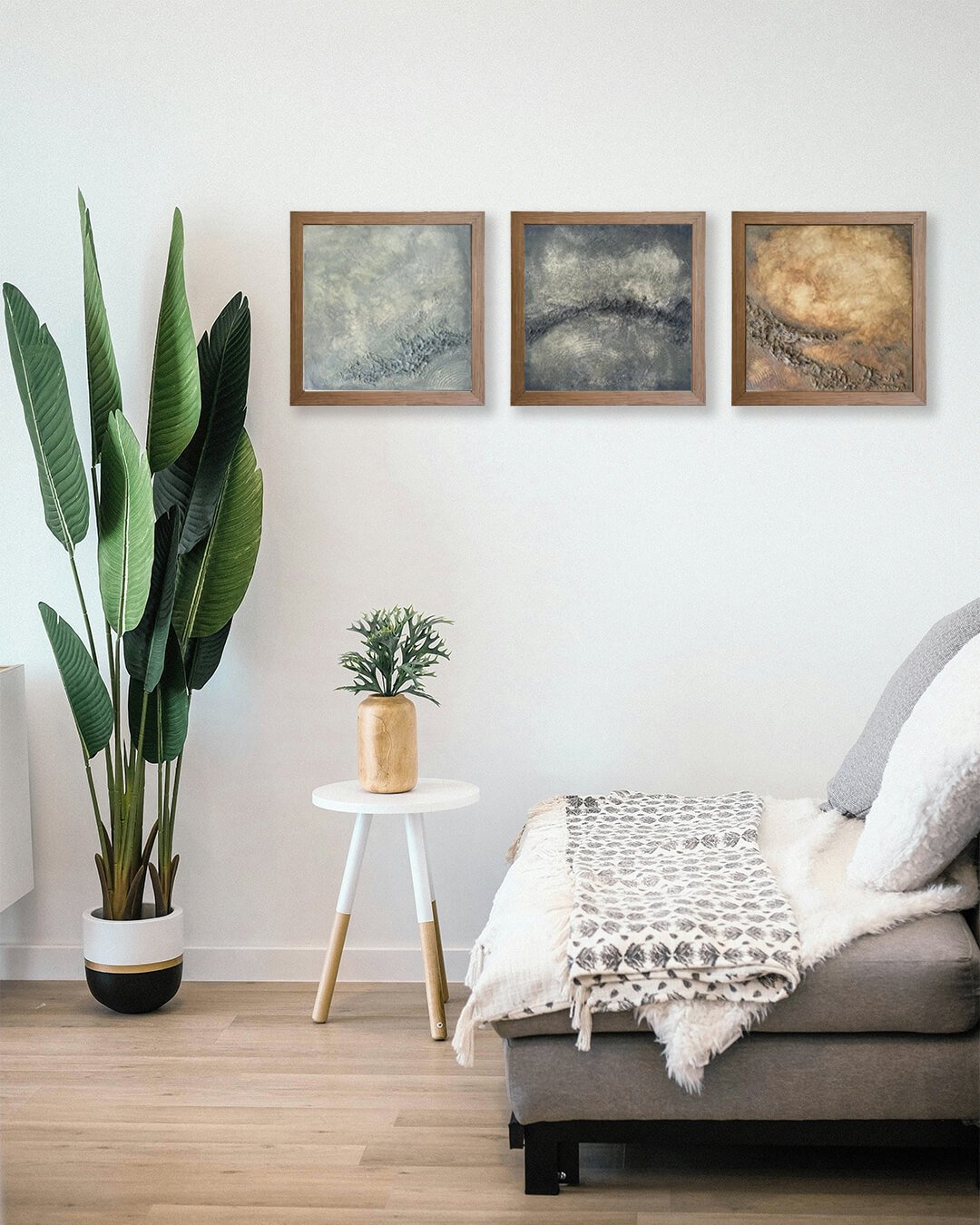
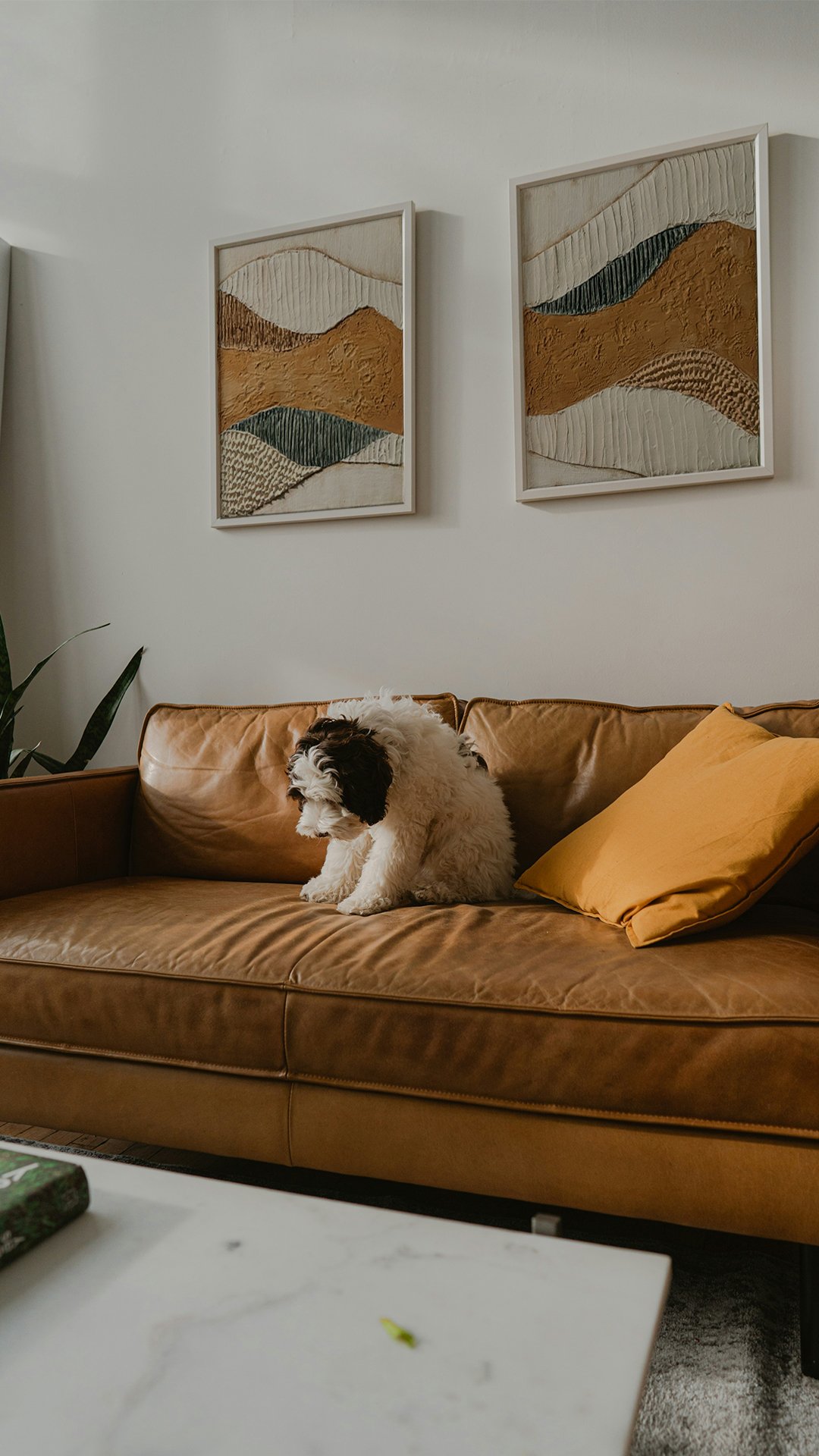
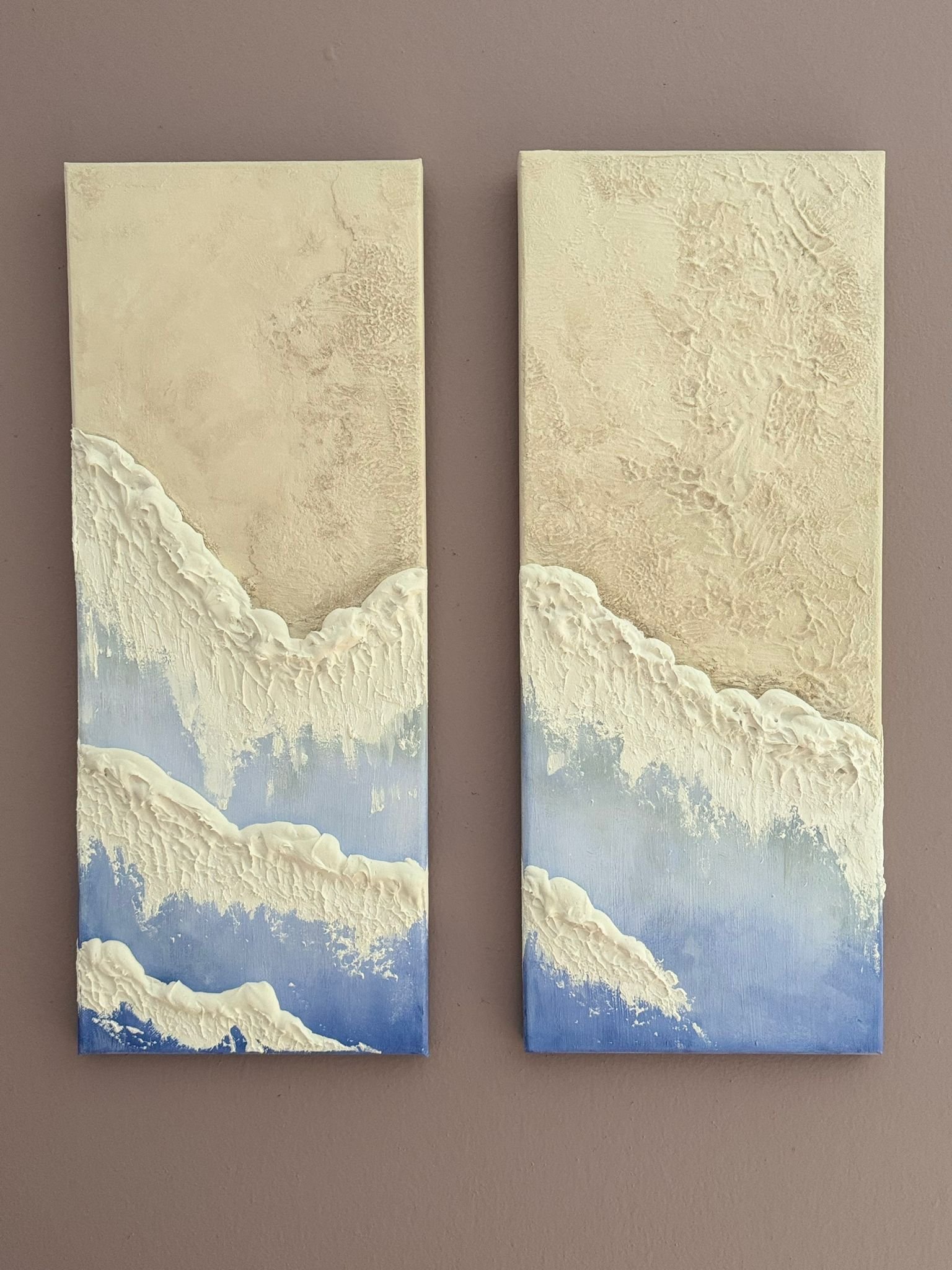
Textured wall art has become a defining feature of modern interiors because it solves a problem that flat prints never could: it adds physical depth, light interaction, and genuine tactile richness to a wall. In 2026, the wall art trend has shifted decisively from mass-produced surface decoration toward handcraft pieces that carry the evidence of real materials and real making. This post covers why that shift is happening, what it means for your home, and how to use it well.
Key Points / Quick Summary

The rise of textured wall art is not a single isolated trend. It is the visible surface of a deeper shift in how people think about their homes – and what they want those homes to feel like. For years, interior design moved toward clean, smooth, and generic. Flat walls. Mass-produced prints. Safe, inoffensive choices that styled well in photographs but did not have much to say in person. That era is clearly closing.
YMI Painting’s 2026 trend analysis describes this shift directly: for years, smooth white walls defined modern interiors, but design preferences are shifting away from flat, uniform walls toward surfaces with more depth and material presence. Rather than relying only on color, textured elements add subtle variation and help shape the atmosphere of a space. What once felt clean and minimal now simply feels empty.
The practical impact of this shift is visible in the wall art market. According to Persistence Market Research, the global wall art market is currently valued at USD 65.5 billion in 2026 and is projected to reach USD 99.1 billion by 2033 – growing at a CAGR of 6.1% – driven by rising consumer demand for personalized décor, handcrafted aesthetics, and art that expresses individuality rather than trend imitation.
The wall art market is not growing because people are buying more of the same. It is growing because people are replacing what they had with something better – something with more depth, more feeling, and more craftsmanship than the traditional wall decoration that preceded it.
Savy Canvas summarizes the emotional driver well: in a digital-heavy world, people are craving things that feel real. Homeowners are no longer looking for perfect showrooms; they are creating sanctuaries. The demand is for art that feels real, grounded, and organic and textured, handcrafted wall art is the direct response to that.
Read: Wall Art: Handcrafted vs Mass-Produced Pieces
The core problem with flat prints is that they are static. The image does not change. The surface does not respond to the room’s light, the time of day, or the shift from natural to artificial illumination. You see the image once, and you keep seeing exactly the same thing. In a room designed to be lived in, that flatness eventually feels like wallpaper – background, not presence.
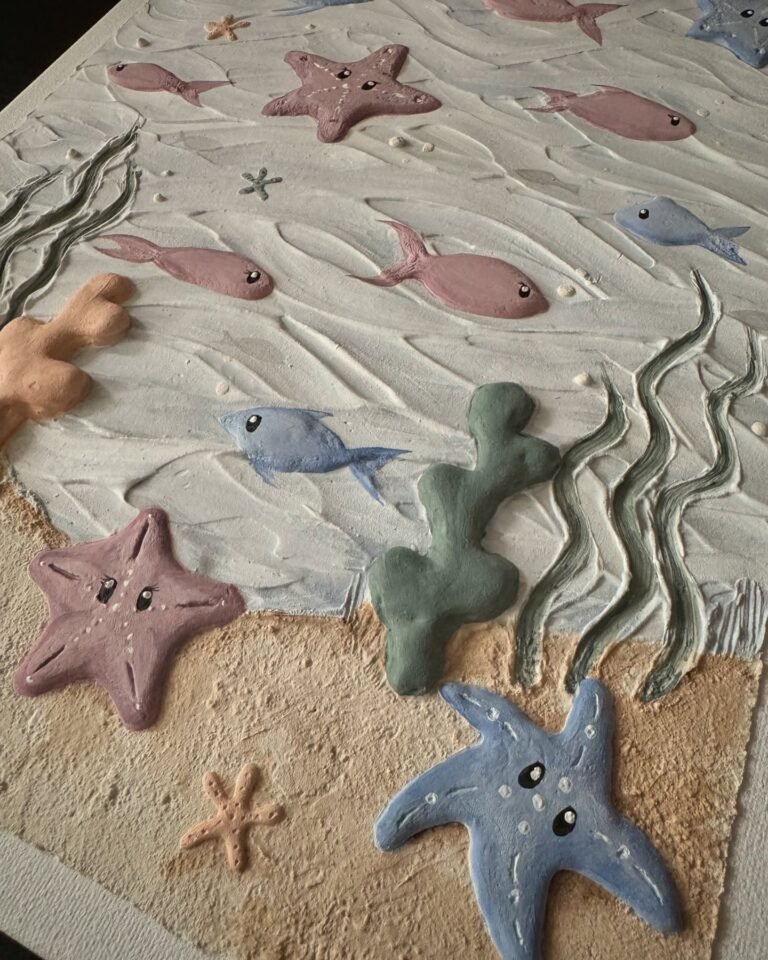
A textured piece works differently. The current design direction is quieter, warmer, and more intentional, with collected pieces and layered textures replacing overly curated, cookie-cutter spaces. The surface of a handcrafted plaster canvas or mixed media artwork has variation that catches light from different angles, creating a ridge-and-shadow play that changes throughout the day. That visual interest is what keeps a piece engaging over years rather than months.
There is also the authenticity argument. Printful’s 2026 wall art trend report notes the wall art market’s growth is driven by the desire for elegance and authenticity – art that tells a story through texture, tone, and emotion, from wall to wall. A flat print, however beautiful the image, does not carry the mark of a hand. A textured canvas does. That difference matters to people who want their homes to reflect something real.
Understanding the wall art market helps explain why the trend toward textured, handcrafted pieces is not a passing moment. The numbers reflect a structural shift in how consumers approach home décor – one that has been building for years and shows no sign of reversing.
The global wall art market reached USD 65.5 billion in 2026. The canvas segment alone holds approximately 45% of that market share, making it the dominant material category by a wide margin. According to Fortune Business Insights, the canvas segment’s share is supported by the versatility of canvas as a base for texture and depth – artists can layer, build, and sculpt on canvas in ways that paper and metal cannot accommodate, and consumers increasingly seek that quality in the pieces they buy.
Within the canvas category, the clearest growth signals are in textured and three-dimensional artwork. Consumers now want wall pieces they can feel, not just view – with artists using materials like plaster, ceramics, ash, and mixed media elements to create richness and sculptural forms with unique character.
The residential sector is growing fastest. North America leads the global wall art market with approximately 40% share, supported by strong consumer spending power, premium décor preferences, and a well-developed online retail ecosystem. That combination – affluent consumers, premium expectations, and easy online access – is the exact environment in which handcrafted textured canvas art thrives.
Canvas dominates the wall art market for reasons that go beyond tradition. A canvas surface is uniquely suited to texture. It has enough give to accept thick paint application, plaster, and mixed media layers without warping or cracking the way paper would. It can be built up in multiple layers over time, with each layer adding to the surface character. And it holds the physical mark of the artist – brush stroke, palette knife track, hand-applied texture – in a way that other materials do not.
Technavio’s 2026 wall art market report confirms this: the canvas segment maintains significant market share because of its classic texture and visual depth, with the durability of high-quality stretched canvas making it a preferred foundation for artist-designed decor. The fact that canvas is also the base for most textured canvas paintings and 3D textured canvas art means that the segment’s dominance and the texture trend are essentially the same story told from different angles.

Traditional wall decor- the framed print, the decorative mirror, the generic canvas print from a mass-produce supplier – serves a functional role: it fills the wall and provides visual reference. But it does not add anything to the room’s atmosphere that the room does not already have. It is additive in the sense of taking up space, but neutral in the sense of not contributing depth, warmth, or any tactile quality.
Textured artwork and painting, and specifically handcrafted textured canvas, does something genuinely different. It contributes to the interior of the room rather than just occupying a position in it. A plaster canvas in warm earthy tones above a sofa adds visual weight to that wall, creates a focal point that anchors the seating arrangement, and introduces a surface quality – the layer of physical texture – that interacts with every light source in the room.
In 2026, wall art is no longer just decorative – it has become one of the strongest visual anchors in contemporary interiors. Interior designers are moving away from generic decorative prints and choosing original artwork, layered textures, earthy palettes, and statement pieces that define the room.
The handcraft dimension is equally important. A handcraft piece carries evidence of the person who made it – the decisions embedded in the surface, the variation that no machine can replicate. That quality adds a relational dimension to the artwork that mass-produce printing cannot provide. You are not looking at a reproduced image. You are looking at an object that was made.
This is the mechanism behind everything that makes textured pieces feel alive. Texture is a surface that catches light. The physical variation in a plaster canvas, an impasto painting, or a mixed media piece means that different parts of the surface receive light at different angles and in different amounts. The high points are illuminated; the low points fall into shadow. That contrast – light and shadow distributed across the surface – is what gives textured artwork its sense of dimension and movement.
Here is why this matters practically: the same textured canvas looks different at 9am under warm morning light from a window than it does at 10pm under a lamp. The ridge and shadow pattern shifts throughout the day as the light source moves. That variability is what makes textured artwork feel like a living element in the room rather than a static decoration. The artwork is the same; the room’s relationship with it changes.
For maximum effect, position at least one light source so it angles across the canvas surface rather than hitting it head-on. A directional lamp, a picture light mounted above the piece, or a floor lamp angled at the wall will create the kind of dramatic light and shadow play that reveals the full depth of the surface. This single detail transforms an already good piece into something that stops people mid-step.
Learn about Lighting Tips for Artwork: How to Create the Perfect Art Lighting Setup at Home
One of the reasons textured wall art has become so central to modern interiors is its versatility. Unlike highly specific decorative styles or graphic-heavy prints, a well-chosen piece of handcrafted textured art adapts to multiple design contexts. Here is how it works across the most relevant current styles.
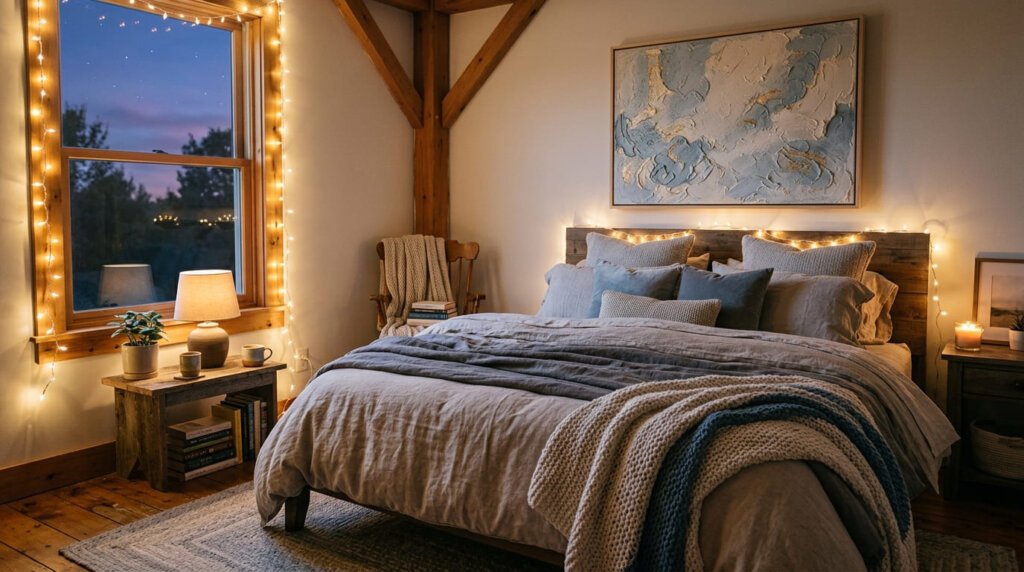
Japandi is the design fusion of Japanese minimalism and Scandinavian hygge – quiet, functional, grounded in natural materials, and deeply calm. Wabi-sabi is the Japanese philosophy of beauty in imperfection, age, and organic forms. Both styles find their ideal complement in textured, handcrafted canvas art.
For Japandi interiors: one large-scale piece in warm white, pale sand, or soft stone. The surface should have quiet variation – ridge work or plaster layers – that reads calmly from a distance but rewards closer looking. The canvas should feel like it belongs to the architecture rather than hanging in front of it.
For wabi-sabi rooms: the imperfection of a hand-applied surface is not a flaw – it is the point. Uneven plaster marks, visible texture variation, organic asymmetry – these are exactly the qualities that wabi-sabi design values. A piece that looks slightly irregular, slightly worn in its palette, slightly handmade is the most appropriate choice for a room built around that philosophy.
The current mood in interiors is warm, grounded, and personal – with Japandi calm, abstract energy, and biophilic themes all favoring curated, not cluttered walls, where textured pieces with organic depth serve as the primary visual anchor.
Minimalist space has a specific problem that textured wall art solves better than any other element: it can feel cold. All the decisions that create the room’s calm – the clean lines, the restrained palette, the edited furniture – can tip into clinical sterility without some form of warmth and tactile interest.
A single large handcrafted canvas in the right palette is exactly what a minimalist interior needs. It adds depth without adding visual noise. It creates a focal point without competing with the room’s architecture. And because the warmth comes from the surface material rather than from a decorative object, it is consistent with the minimalist principle of purposefulness.
For eclectic and rustic interiors, the flexibility of textured canvas art is equally useful, though for different reasons. In an eclectic room, a mixed media textured piece works as an anchor that the room’s various other elements can orbit without losing coherence. In a rustic space, plaster and organic-surface canvases are deeply at home -they share the material vocabulary of the room.
Our Textured Wall Art Collection includes pieces designed specifically with each of these contexts in mind – handcrafted canvases in earthy palettes that work across design styles without requiring a full room redesign.
Understanding the design trends behind the current demand for textured wall art helps explain why the art market is moving this way – and why it is not reversing.
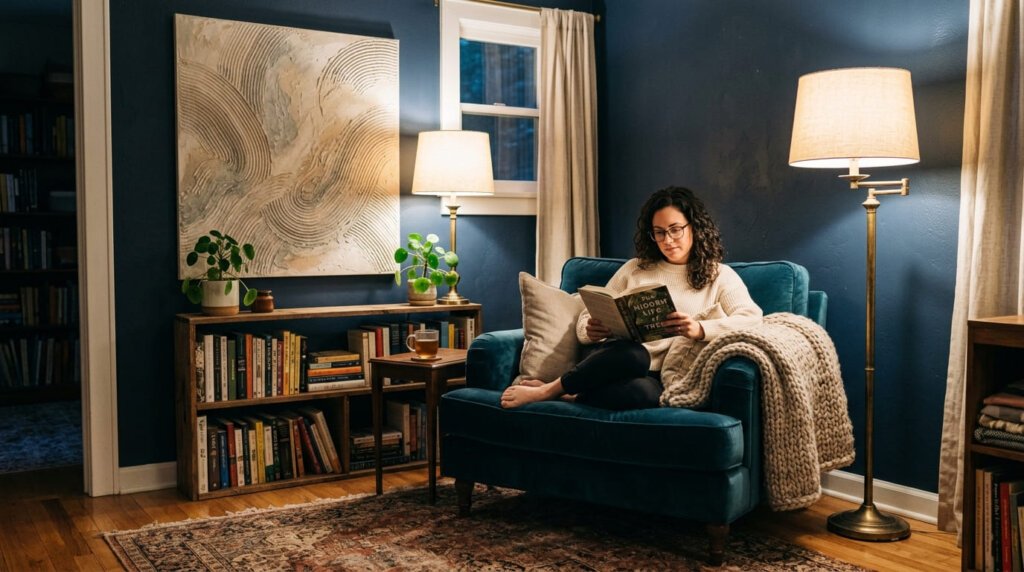
Warm minimalism. The dominant 2026 design direction keeps clean lines and simplicity but replaces cold surfaces with warm materials, organic texture, and natural finishes. Textured canvas art is a core tool in this direction because it adds all three qualities simultaneously – warmth, texture, and natural surface – in a single element.
Biophilic design. The practice of connecting indoor spaces to the natural world has moved from architectural niche to mainstream interior design. Organic textures, natural materials, and surfaces that suggest natural processes – erosion, mineral stratification, wood grain – are all part of this approach. Handcrafted plaster and mixed media canvases align with biophilic design principles instinctively.
Anti-mass-produce sentiment. Across the wall art market, the shift is explicitly away from mass-produce, generic decor toward pieces that are custom, artist-made, and individual. This makes handcrafted textured canvas art the right product at the right moment.
Acoustic art. One area where textured wall art is expanding beyond traditional decoration is the acoustic art segment. IrisLee Gallery’s 2026 trend report highlights that pieces integrating handcrafted textures with sound-absorbing technology are gaining significant traction in residential and commercial spaces – particularly in the dense urban environments where noise management and visual warmth are equally important. This is a dimension of textured art’s functionality that goes beyond aesthetics into daily livability.
Personal identity through curated walls. Homes in 2026 are becoming more personal. Wall art selection increasingly reflects identity rather than trend imitation. The choice to display handcrafted, original textured artwork communicates something about how the homeowner thinks and what they value – which is a very different statement from hanging the same canvas print found in every discount home décor chain.
If you want to go deeper into how specific art styles work in different rooms, our post on how textured art complements different interior design styles covers Japandi, Coastal Modern, Wabi-Sabi, Bohemian, and Minimalist rooms in detail.
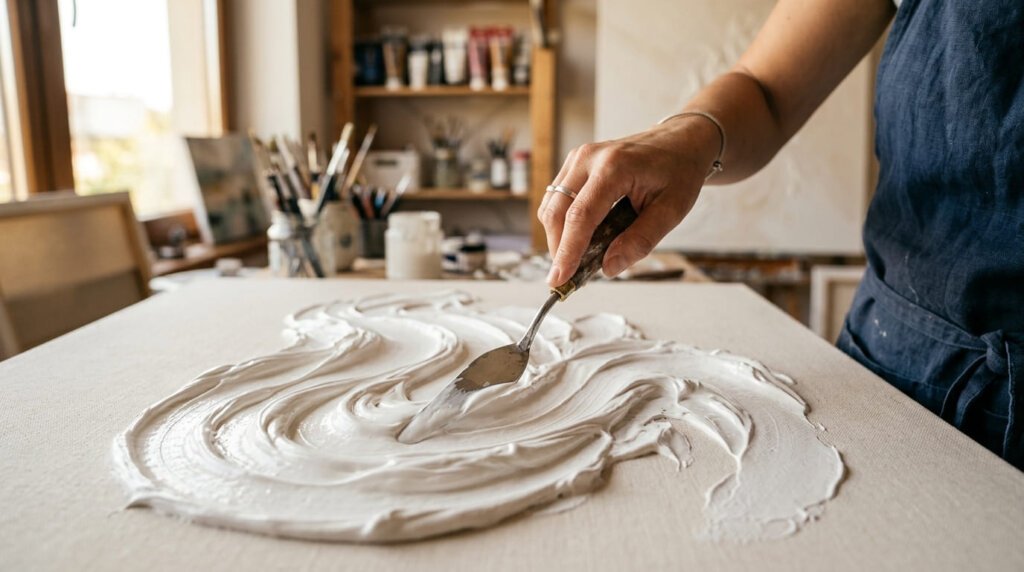
The trajectory is clear. The future trends in textured wall art will continue in the direction of authenticity, organic materials, and handcraft quality – away from anything that looks machine-made or mass-produced. A few specific developments worth watching:
Larger scale. The single large-scale statement piece is still gaining ground over gallery walls of smaller prints. If 2025 was the year texture made a comeback, 2026 is the year it becomes essential – and one of the key expressions of that is through oversized, architecturally scaled textured canvases that function as room-defining elements rather than decorative additions.
Deeper palette integration. Art is increasingly being chosen to match or complement a room’s material story – the rug, the sofa fabric, the wood grain of the furniture – rather than being selected in isolation. This means future trends in textured art will see more color and surface coordination with the broader design language of the room.
Woven and fiber-based surfaces. The woven wall hanging category is growing at a strong rate, combining traditional craft techniques with modern design aesthetics. Pieces that incorporate natural fibers to create surface texture are a close neighbor to plaster-based art in terms of material philosophy and audience.
A practical process for homeowners who want to incorporate the best textured pieces into their living rooms or other spaces without making expensive mistakes.
Step 1: Find the primary wall in the room Every room has one wall that does most of the visual work – the wall you face when seated, the wall visible from the entrance, the wall behind the main furniture. Start here. This is where a textured canvas will have the most impact.
Step 2: Measure the wall and the furniture below it For a piece placed above a sofa or other furniture, the canvas should span approximately two-thirds of the width of the furniture below it. For a free wall, aim for a canvas that covers at least 60% of the wall’s width. Pieces that are too small look unintentional. Scale up rather than down.
Step 3: Establish the palette before browsing Write down the three or four primary colors in your room – walls, sofa, rug, furniture. Look for a textured piece that shares at least one of those tones, or one that sits in a neutral palette that works with all of them. Earthy neutrals – warm white, sand, clay, pale stone, soft sage – will integrate into almost any modern interior.
Step 4: Choose the texture type to match the room’s character Rooms with a calm, spare quality need quiet, organic textures – plaster-based surfaces with subtle ridge work, pale palette, gentle variation. Rooms with more expressive energy can handle bolder palette knife marks, deeper color, more dramatic surface contrast.
Step 5: Layer the room around the art, not the other way around Once the canvas is in place, use it as the anchor for the rest of the room’s texture story. The sofa upholstery, the rug, the cushions – these should complement and support the art, not compete with it. The canvas is the focal piece; everything else is in dialogue with it.
Step 6: Position the lighting carefully At least one light source should angle across the canvas surface rather than hitting it straight on. A picture light, a floor lamp pointed at the wall, or a directional ceiling fixture are all appropriate options. Angled light reveals the depth of the textured surface. Direct front lighting flattens it. This one decision changes the visual impact of the piece significantly.
Step 7: Curate deliberately, do not fill every wall In living rooms and other main spaces, resist the temptation to add more once the primary piece is in. Negative space around the art is part of its composition. Filling every wall eliminates the visual weight that makes a single strong textured piece so effective.
One strong canvas beats a gallery wall. In any minimalist, contemporary, or warm modern space, a single large-scale textured piece has more presence than multiple smaller works combined. The eye needs somewhere definitive to land.
Match texture to material context. A plaster canvas in a room with linen, wood, and wool feels at home. The same canvas in a room full of synthetic materials and metal finishes will create a visual disconnect. Let the room’s existing material language guide the choice.
Use negative space intentionally. In a room with strong textured artwork, the space around the canvas is part of the composition. Do not fill walls adjacent to the main piece. Let the primary work breathe.
The sofa relationship matters. The most common placement for a large textured canvas is above the sofa, and for good reason – it creates a composed, anchored look that is the visual foundation of most living rooms. For this placement, hang the center of the canvas 6 to 10 inches above the sofa back.
Consider the entire wall. A canvas placed on an entire wall with good negative space on either side reads as architectural – part of the room rather than in front of it. Do not crowd the piece toward a corner or against other wall elements.
Add depth through layering. If you want to enhance the art’s presence further, place a low wooden shelf, a single ceramic piece, or a small natural object below and in front of the canvas. The layering of artwork behind a physical object creates a three-dimensional quality that adds depth to the display without adding visual noise.
Do not underestimate the premium wall. Where the canvas goes tells visitors something. The most important wall in the room should carry the most considered piece. If you are going to invest in one handcraft artwork, put it where it does the most work.
This is a question we get often, and the answer is simpler than most people expect. The key is gentle, dry cleaning. Dusting with a soft natural-fiber brush or a clean, dry microfiber cloth is all that most plaster and mixed media canvases need on a regular basis.
For pieces with deep relief or significant texture variation, a small soft-bristle brush – the kind used for watercolor painting or delicate surface work – lets you get into the recesses without applying pressure. Use light, short strokes. Do not drag the cloth or brush across the surface under pressure.
Avoid moisture entirely. Water, steam, and cleaning products can affect the surface of plaster and mixed media artwork, potentially disrupting the seal or the pigment. If a piece needs more than dry dusting, consult the maker’s care notes.
Beyond that, keep textured artwork away from direct sustained sunlight and humidity. Indirect natural light is fine and actually enhances the appearance of textural surfaces over the course of a day. Consistent humidity or temperature extremes are the things to avoid. With basic care, quality handcrafted textured canvas art maintains its surface character indefinitely – which is part of what makes it a genuinely valuable addition to a home rather than a trend-driven purchase.
Q: What is the difference between textured wall art and regular canvas prints?
A: A regular canvas print is a two-dimensional image reproduced on a flat canvas surface. The image has no physical depth. A textured canvas painting – whether plaster-based, impasto, or mixed media — has a physical surface that extends above the canvas plane. That raised surface interacts with light, creates shadows, and changes in appearance throughout the day in a way that a flat print cannot.
Q: Is textured wall art a wall art trend that will date quickly?
A: No. Textured and handcrafted artwork has been valued in interior design for centuries – it is not a trend in the sense of something that will be irrelevant in two years. The current visibility of the trend reflects a return to quality and craft after a period dominated by cheap, flat, mass-produce prints. Pieces in earthy, organic palettes on natural surfaces are among the most timeless choices in interior décor.
Q: Can textured wall art work in modern homes with a very contemporary aesthetic?
A: Yes, and this is where it is arguably most impactful. A modern interior with clean lines, smooth furniture, and a neutral palette benefits enormously from a single handcrafted textured canvas. The richness of the surface is in contrast to everything around it, which gives the piece more visual weight and makes the room feel more considered.
Q: What is the best placement for textured wall art in living rooms?
A: The wall behind or above the main sofa is typically the most effective position in living rooms. The canvas should span approximately two-thirds of the sofa’s width, hung so the center of the piece sits about 57 to 60 inches from the floor – or 6 to 10 inches above the sofa back. One large piece works better than multiple smaller ones in this position.
Q: Is 3D textured canvas art the same as sculptural wall art?
A: There is overlap. 3D textured canvas art refers to canvas-based work with significant physical surface relief – deep impasto, built-up plaster layers, mixed media with dimensional components. Sculptural pieces are typically fully three-dimensional works mounted to the wall, often not on a canvas base. Both add depth and dimension to a wall, but 3D textured canvas art sits closer to painting on the spectrum and tends to be more versatile across interior styles.
Q: Can abstract art be textured?
A: Yes, and abstract art is one of the most common and effective contexts for texture. Abstract art refers to the image style – non-representational, focused on color and form. Texture refers to the surface quality. Abstract textured art combines both: a non-representational composition built up on a canvas with physical surface variation. This is the category where much of the best contemporary handcrafted wall art currently sits, and it is highly adaptable across interior design styles.
Q: How do I know if a top textured canvas piece is handcrafted rather than machine-produced?
A: Look for visible irregularity. A handcraft piece will have surface variation that no two areas replicate exactly. The marks will be slightly different in different zones of the canvas. The layering will have organic depth rather than uniform pattern. Machine-produced pieces tend toward perfect repetition, even when they are designed to look textured. Handcrafted pieces look made because they are – and that quality is usually visible immediately up close.
The shift toward textured, handcrafted wall art in today’s homes is not a surface-level design moment. It is a response to something real – the recognition that a home should feel like something, not just look like something. Flat prints filled a functional need. They decorated the wall. But they did not change the room’s atmosphere, and they did not communicate anything about the person who chose them.
A handcrafted textured canvas does both of those things. It changes the atmosphere of the room – adding warmth, depth, and a light-responsive quality that makes the space feel more alive. And it communicates a point of view: that the homeowner chose something real, made by a person, in materials that came from the earth.
We built our entire collection around that conviction. Every piece is handcrafted, textured, and designed to work in the kinds of contemporary homes this post has been about – whether the room is Japandi in its restraint, warm minimalist in its material warmth, or simply a living room that needed one thing on the wall that actually meant something.
If you are curious about building your own textured canvas before investing in a finished piece, Easy DIY Canvas Art Ideas: Paint Your Own is a good starting point for understanding how surface texture is built by hand.


Sign up to grab 10% off your first order and be the first to hear about new drops and exclusive deals!