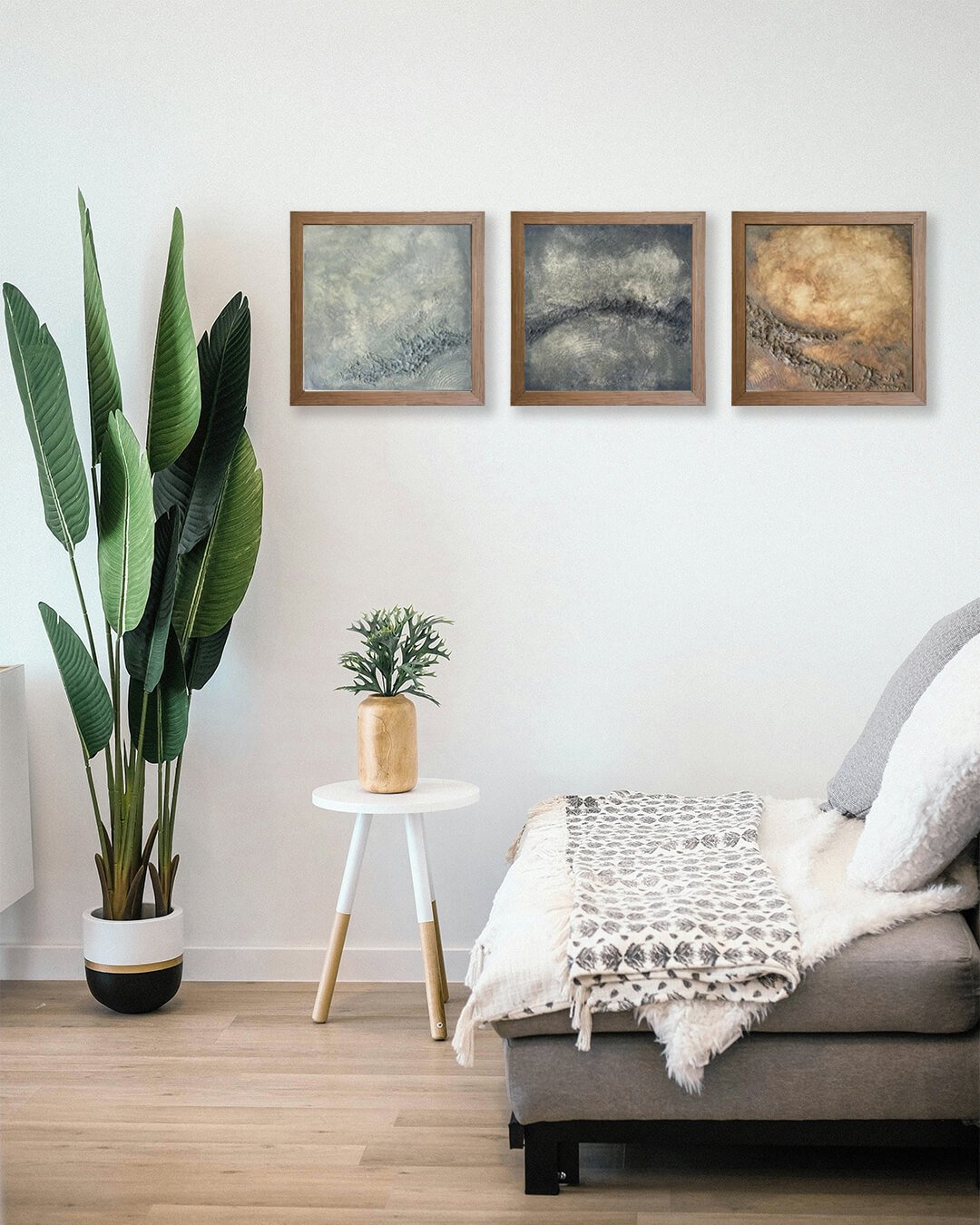
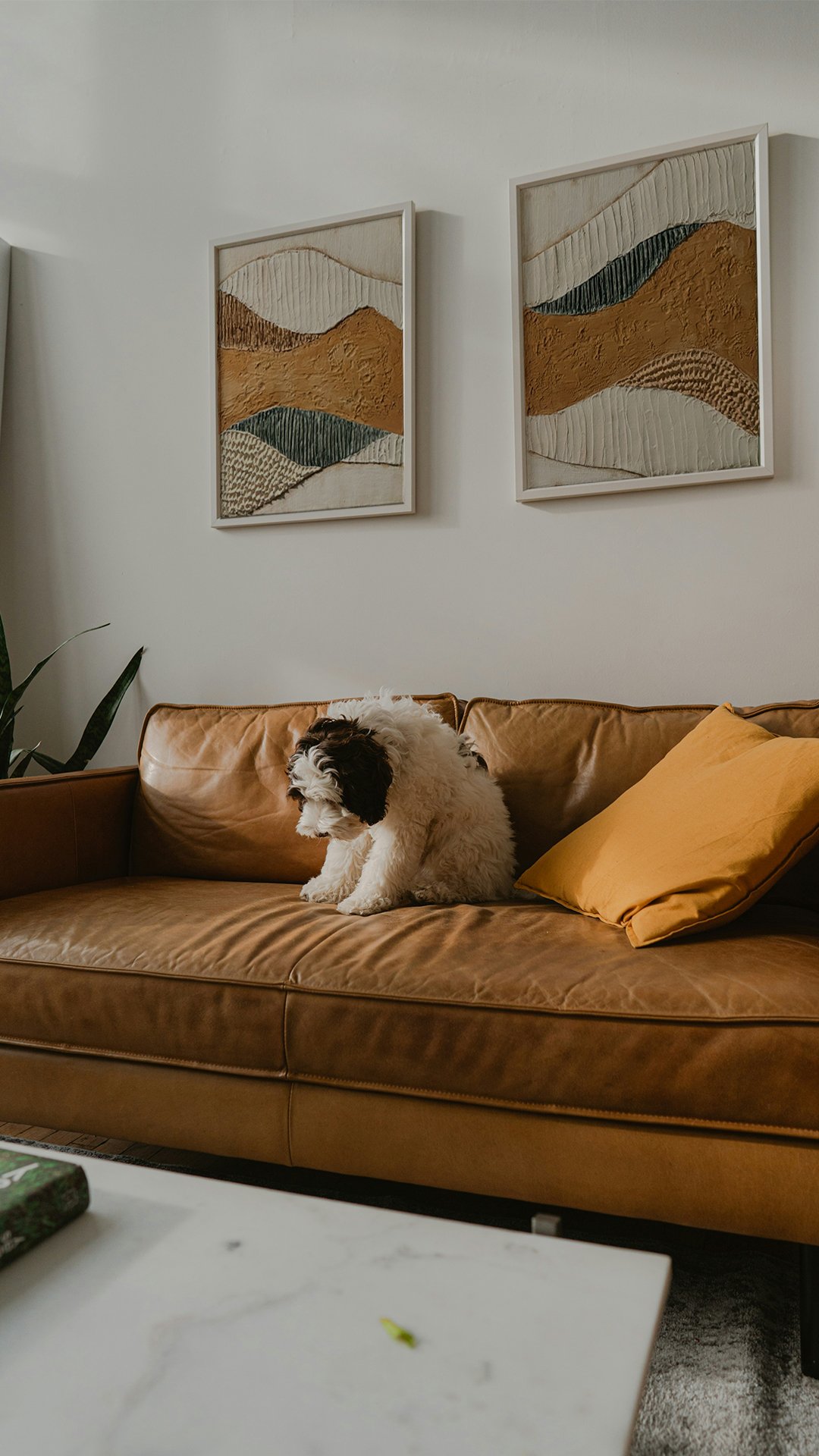
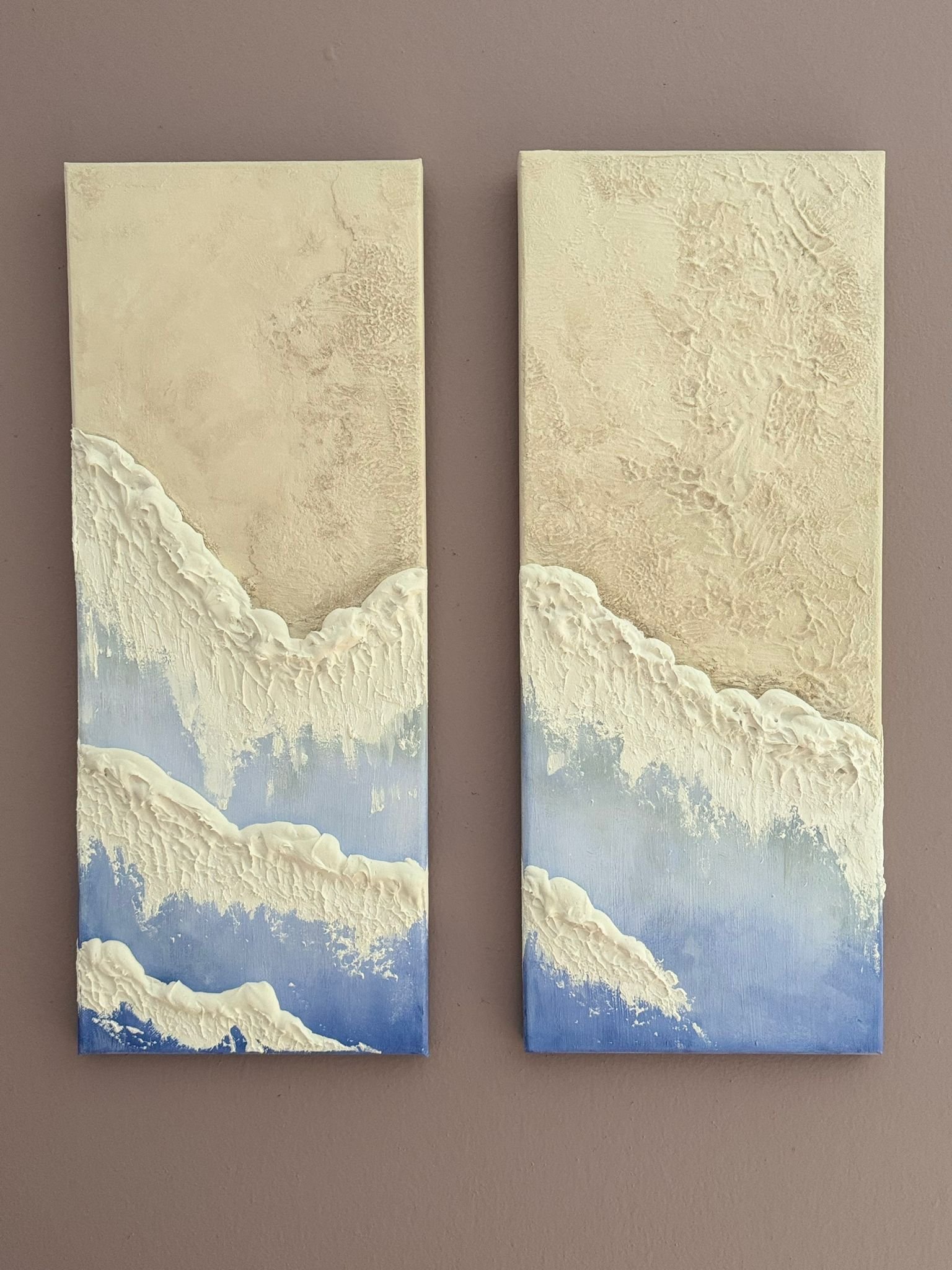
Textured wall art changes a room in ways that flat prints simply cannot match. The raised surface catches and redistributes light, creates genuine depth and dimension, and brings an emotional quality to a space that most people can feel before they can describe it. This post goes through what that change actually looks like, room by room, and how to make it work in your own home.
Key Points / Quick Summary

The transformative power of art in a room is not a vague concept. It is something you can observe concretely. A bare wall is a flat, inert surface. A wall with a well-chosen piece of art on it has dimension, mood, and focal energy. The question is what kind of art creates the most significant transformation, and why.
The answer, consistently, is texture. Wall art has become more central to interior design in recent years, but the specific shift happening right now is a move away from flat, printed surfaces toward art that has real physical presence. As Urban Road describes it in their 2026 trend analysis: flat, overly clean designs are giving way to artworks that feel tactile, layered, and organic, with texture working particularly well in neutral interiors where interest needs to come from depth rather than color.
This is not a trend about adding pattern or color. It is about adding a third dimension to a two-dimensional surface – and what that does to the way a room feels, both visually and physically.
Here is the practical reason this matters: in a contemporary home with clean lines, smooth finishes, and a neutral palette, the walls are often the largest blank surface in the room. A single piece of handcrafted textured artwork on one of those walls immediately introduces a quality that the rest of the room cannot provide on its own – organic, handmade variation.
Flat prints operate in two dimensions. You see an image. The surface itself does not change. A textured canvas, by contrast, has a physical surface that responds to its environment. The interplay of light and shadow across raised ridges, impasto marks, or plaster layers means the artwork changes throughout the day – it looks different at 8am with morning light than it does at 9pm under a warm lamp. That variability is something flat prints cannot replicate.
The Environmental Blog describes this dynamic directly: textured painting changes with light and shadow, making a room feel alive and personal, because unlike flat prints, these pieces are made to be felt as well as seen. That phrase – made to be felt as well as seen – is the core of it. These are pieces with a visual and tactile dimension that extends the viewing experience beyond a glance.
There is also a craftsmanship argument. The mark of a hand, the evidence of a technique, the slight irregularity in a plaster surface or an impasto stroke – these are things that carry weight in a room. They communicate that someone made this. That quality resonates in a way that a printed reproduction, however beautiful the image, simply cannot.
Let’s look at what the “before and after” of adding textured wall art to a room actually involves. Not the metaphorical before-and-after, but the practical, observable changes.
Before: A neutral living room with smooth white walls, a light sofa, a rug, and a few accessories. Everything is well-selected, nothing is wrong – but the room has no focal point. The eye has nowhere to land. The walls feel like boundaries rather than surfaces. The room is comfortable but not interesting.
After: The same room with a large handcrafted plaster canvas above the sofa – earthy tones, layered surface, subtle ridge work. Now the room has a center. The eye goes to the wall first, reads the surface texture, follows the light variation. The room has depth and dimension it did not have before. The canvas does not overwhelm the space; it finishes it.
This is what contemporary art and design publications mean when they describe textured wall art as a room’s conversation starter. It is not merely decorative. It provides a visual anchor that gives the room an identity.
A single large piece can anchor an entire living room – acting as the focal point that pulls furniture, flooring, and decor together into a cohesive story, with the depth of brushwork and mixed media layers lending a handcrafted, gallery-quality feeling that cannot match mass-produced alternatives.
Learn DIY Large Wall Art: Easy Canvas Artwork & Large Scale Ideas
The change happens on three levels. First, visually: the art creates depth and dimension that the rest of the room’s surfaces cannot. Second, spatially: a large-scale textured piece makes the wall it occupies feel intentional and considered, which in turn makes the whole room feel more composed. Third, emotionally: textured abstract art has a documented emotional and psychological impact that goes beyond aesthetics.
On that third point, Vinchy Art’s research into 3D textured paintings describes the effect as creating an atmosphere where the texture catches and reflects light differently throughout the day, changing the ambiance of a room and creating a unique atmosphere – encouraging a deeper emotional connection to the environment and enhancing both creativity and tranquility.
The word tranquility comes up consistently in serious discussions of textured art in interior spaces. There is something about a surface that has been built up by hand, layer by layer, that communicates patience and care. And rooms that communicate patience and care are rooms people want to be in.

Understanding how textured artwork is made helps explain why it looks and feels the way it does. The surface qualities that transform a room are not accidental. They come from specific techniques and materials, each with its own visual character.
Impasto is a painting technique that involves applying paint thickly to the canvas – in layers that build up into a raised, sculptural surface with visible brush strokes or palette knife marks. The result is not a flat image but a physical relief that extends off the canvas surface.
The reason impasto matters in the context of interior design is that the thickness of the paint creates genuine light-catching depth. The ridges and marks in an impasto painting catch light from one angle and fall into shadow from another. That responsive quality is what gives impasto paintings – and textured art built on similar principles – their sense of life and movement.
We could describes impasto as applying thick layers of paint with brushes or knives to create tactile depth and texture, with the palette knife used to shape paint for sharp, dynamic textures – while mixed media applications can incorporate materials like sand or fabric to add organic elements to the surface.
This is the artistry behind pieces that genuinely transform spaces. The surface is not a representation of texture – it is actual texture, built up by hand.
Impasto is one of several techniques that produce the kind of surface depth that makes handcrafted art so different from a flat print:
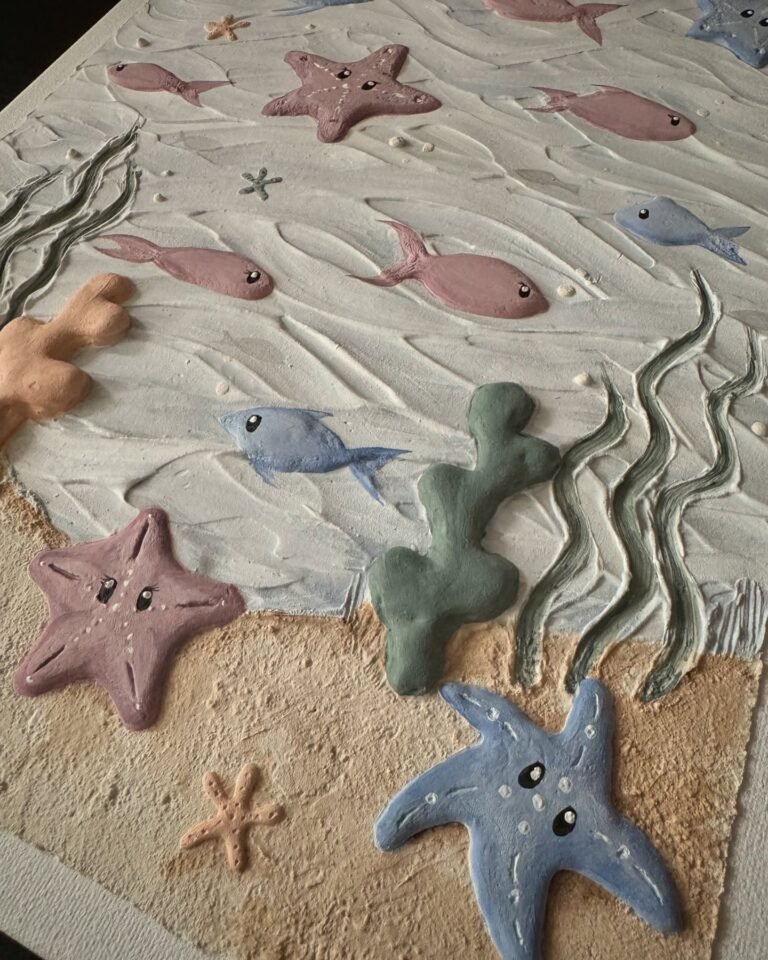
Plaster and clay-based mediums. Mixed with pigment and applied to canvas by hand, plaster creates a surface with organic variation that no two pieces share. It can be smooth with subtle ridge marks or built up into pronounced relief. This is the medium used in many of the pieces in our collection at My Home Art & Decor, and it is the closest thing to bringing a natural, stone-like surface onto a wall.
Palette knife layering. Using a metal knife rather than a brush to apply paint produces sharper, more defined marks and a surface with strong directional energy. Palette knife work in abstract paintings creates a bold statement without overwhelming the rest of the room when the palette stays neutral.
Mixed media canvas. Incorporating fibers to create surface structure, natural materials, or dimensional elements added to the canvas surface – all of these extend the range of textures available in handcrafted work.
Hand-applied plaster relief. Entirely different from painting, this involves building up a surface in three dimensions using plaster or similar materials. The result is more sculptural than most painted textured pieces, with deep shadows and strong tactile appeal.
Each of these techniques produces a different kind of surface character – and choosing between them comes down to the room, the interior design style, and the emotional quality you want the art to carry.

Textured art is not one-size-fits-all. The same type of surface that works perfectly in one interior can feel out of place in another. Here is how to think about matching the art to the room.
The minimalist interior is where textured wall art has perhaps the most dramatic impact. Empty walls in a minimalist room feel unfinished. A single large piece of neutral, 3D textured canvas art adds the warmth and dimension that keeps minimalism from tipping into coldness.
As a design guide from WonderArtwork explains, many modern homes are built around clean lines, smooth walls, low-profile furniture, neutral upholstery, and open-plan layouts – and 3D textured wall art works so well in these spaces because the artwork becomes part of the room’s architecture rather than simply decorating the wall.
For minimalist and minimalistic rooms: choose pieces in neutral palettes – warm white, pale sand, soft stone, quiet gray. Keep the surface texture present but not aggressive. The goal is depth without overwhelming the room’s spare character. One large canvas rather than several small ones. Generous space around it.
What absolutely cannot match the effect of a single, well-scaled textured piece in a minimalist room is a flat print. Flat prints sit on the wall. Textured canvas art becomes part of it.
Contemporary interiors have more flexibility than minimalist ones, which means abstract textured art can take more risks here. An abstract painting with visible impasto marks, palette knife work, and a layered palette in earthy or muted tones brings a focal energy to a contemporary living space that is both visually interesting and emotionally resonant.
The key for contemporary design is making sure the abstract piece connects to the room’s color story. Abstract works do not need to match the upholstery or the rug – but they should share at least one color reference with the room. A warm terracotta abstract piece in a room with a soft caramel sofa and a jute rug will feel completely at home. The same piece in a cool-toned, gray-dominated room will create a visual and tactile clash.
For contemporary interiors, also consider scale. A large-scale abstract textured canvas above a sofa or as a centerpiece on a dining room wall fills the space with visual and tactile interest without requiring the room to be rearranged around it. The art adds; it does not replace.
Our Abstract Wall Art Collection includes handcrafted pieces in layered, earthy abstract forms designed specifically for this kind of room – pieces that bring visual depth and a modern interior aesthetic without overwhelming the space.
Placement is as important as the piece itself. The same canvas can feel powerful in one position and underwhelming in another. Here is how to think about where textured wall art belongs.
The main living room wall. The wall that faces the seating area, or the wall behind the sofa, is where a single large-scale textured piece has the most impact. This is the most-viewed surface in the room, and art placed here immediately establishes the room’s character.
Above a headboard. In a bedroom, a medium canvas above the headboard creates a calm, considered focal point without requiring the room to work around it. For a bedroom, choose pieces with quiet, serene surface texture rather than bold abstract forms.
The entryway. The first wall a visitor sees in your home sets the tone for the entire space. A well-chosen textured piece in an entryway – even a smaller one – communicates intentionality and visual sophistication from the moment someone walks in. It is a room where art does not need to coordinate with furniture because the space is transitional.
Dining room walls. Wide, horizontal textured pieces stretch a dining room wall and add movement to what can otherwise be a static surface. Neutral textures work with almost any table setting; metallic or warm-gold accent pieces bring a more formal quality for rooms used for hosting.
Read Wall Art Size Guide: Choose the Right Art Size for Your Space
This is the process we use when helping people find a piece that actually works in their home.
Step 1: Identify the wall before selecting the piece Walk through your rooms and find the wall that needs the most help. Usually it is the largest uninterrupted surface – the wall you look at when you sit down. That wall is your priority.
Step 2: Measure carefully For a sofa or bed, the artwork should be approximately two-thirds to three-quarters the width of the furniture below it. For a free wall, aim for a canvas that occupies at least 60% of the wall’s width. Too small and the art looks timid. Appropriately sized and it looks deliberate.
Step 3: Establish your palette before you browse Write down the three or four dominant colors in the room – wall, rug, sofa, main furniture. Any piece you select should either contain at least one of those tones or sit in a neutral palette that works with all of them. For most rooms, pieces in warm whites, earthy neutrals, or muted organic tones will integrate more seamlessly than strongly colored works.
Step 4: Choose the texture type based on the room’s character Calm, spare rooms call for plaster-based or subtle impasto textures in neutral tones. More expressive contemporary rooms can handle bolder palette-knife abstract works. Organic modern or Wabi-Sabi rooms respond best to surfaces that show their making honestly – irregular, handmade, not too refined.
Step 5: Find the piece that connects – not just the one that looks good in the photo Browse pieces in context, not in isolation. Look at how the artwork’s surface texture relates to the textures already in the room – the rug, the upholstery, the wood of the furniture. Textured art that is in dialogue with the room’s other tactile surfaces will feel right. An isolated, unrelated piece will look placed rather than chosen.
Step 6: Place and light it correctly Hang the center of the canvas at approximately 57 to 60 inches from the floor – or about 6 to 10 inches above the furniture below it. Once it is up, position at least one light source so it angles across the surface rather than hitting it straight on. Even a single directional lamp aimed at the canvas will reveal the surface texture in a way that overhead lighting never does.

A few practical details that make a real difference in how a textured piece reads in a room.
One strong piece over many small ones. In most rooms, a single large-scale textured canvas achieves more than a gallery wall of smaller mixed pieces. The focus of a single work creates a cleaner, more intentional visual statement. Gallery walls work well in bohemian and eclectic rooms; in contemporary or minimalist spaces, the single statement piece is almost always stronger.
Avoid busy walls. Textured art needs breathing room. Placing it next to other patterned or textured surfaces competes with the work and cancels out the effect. The art should be the most visually complex element on the wall it occupies. Other surfaces should support it, not compete.
Let the room feel alive. The goal of adding textured art is not to “finish” the room in the sense of making it feel complete and static. A well-chosen textured piece should make the room feel like it is still developing – like it has energy. Empty walls that get a single handcrafted textured canvas feel activated in a way that rooms with many small prints rarely achieve.
Think about the room over time. One of the things that distinguishes fine art and handcrafted pieces from mass-produced decor is that great art remains a centerpiece for years. The surface quality of a handcrafted textured canvas changes subtly as light and use condition the environment around it. It is an investment in the room’s long-term character, not a trend-driven purchase.
Consider the serenity factor. There is consistent documentation in interior design and wellness research that textured surfaces – particularly organic, handmade ones in neutral or earthy palettes – contribute to a calmer, less stimulating environment. Rooms that use art to create tranquility rather than visual excitement are rooms that people use and love long-term.
Light and shadow on a textured canvas is the mechanism behind everything that makes textured art feel different from flat prints. Here is specifically how it works.
A flat print has no surface relief. The same light hits the entire surface at the same angle, producing a uniform reflection. What you see is the image, and only the image.
A textured canvas has physical variation: raised marks, ridges, indentations, layered build-up. When light hits this surface, the high points are illuminated and the low points fall into shadow. The pattern of highlights and shadows is not fixed – it changes as the angle of the light changes. Morning light from a window creates a different shadow pattern than afternoon light from the same window. Evening lamp light creates a different effect entirely.
This is what makes textured art feel like it moves, even though it is static. The surface is responsive. It interacts with its environment in a way that makes it part of the room’s daily rhythm rather than a fixed element on the wall.
The practical implication: light your textured canvas from an angle. Directional lighting – a picture light above the canvas, a floor lamp angled at the surface, a wall sconce that casts raking light across the face of the piece – reveals the artistry in a way that flat overhead lighting never will. It is the single most impactful styling decision you can make after buying the piece.
Q: What is the difference between textured wall art and abstract wall art?
A: Textured art refers specifically to works that have physical surface depth – raised paint, plaster layers, impasto marks, or sculptural relief. Abstract art refers to the style of the image: non-representational, focused on color and form rather than depicting a recognizable subject. These two qualities often overlap – abstract textured art is one of the most popular combinations in contemporary design – but they are separate characteristics. You can have abstract art that is completely flat, and you can have textured art that depicts recognizable subject matter.
Q: Does textured wall art work in a small room?
A: Yes, and often better than in a large room. In a small room, one carefully sized textured canvas on the main wall adds depth and dimension without making the space feel crowded. Choose a piece in a light, neutral palette and avoid very dark or heavily saturated tones. The textural depth of the surface actually makes a small room feel more complex and interesting without adding visual noise.
Q: How do I clean or maintain a textured canvas?
A: Most handcrafted plaster and mixed media textured canvases are sealed and can be dusted with a soft dry brush or microfiber cloth. Avoid moisture and direct prolonged sunlight, both of which can affect the surface over time. For canvases with very deep relief, use a small soft brush to clean recesses. With normal care, quality pieces maintain their surface character indefinitely – which is part of what makes them a lasting investment.
Q: Can I use textured art in a room that already has a lot going on?
A: The best approach in a room with a lot of visual complexity is to treat the textured canvas as the organizing anchor rather than adding to the complexity. Choose a piece in neutral, earthy tones that relates to the room’s palette. Let it be the focal point that the other elements in the room organize around. If everything else is busy, the art should be calm – and its tactile quality will still do the work without overwhelming the space.
Q: Is textured wall art only for neutral or minimalist rooms?
A: Not at all. Textured abstract art works in vibrant colors just as effectively as in neutral palettes. Bold palette knife abstract paintings in warm ochre, deep terracotta, or layered blues can serve as a bold statement centerpiece in a room that already has strong color. The texture adds a dimension that keeps the piece from reading as flat even in a visually rich room.
Q: What makes handcrafted textured art worth more than a printed canvas?
A: Craftsmanship, uniqueness, and the visual and tactile quality that machines cannot produce. Every handcrafted textured piece is made by a person using materials that build up into a surface no two pieces share exactly. A printed canvas can reproduce an image of textured art, but it cannot reproduce the surface itself – the physical relief that interacts with light, the variation that gives the piece its living quality. That physical authenticity is what the price of a handcrafted piece reflects.
Q: How long does textured wall art stay relevant in a room?
A: Handcrafted pieces in classic, organic forms and neutral or earthy palettes are among the most timeless choices in interior design. Unlike trend-driven decor or heavily branded aesthetic prints, a quality textured canvas in a neutral or abstract form has no expiration date. It evolves with the room around it rather than dating it. The investment is in something that remains a centerpiece for years, not seasons.
There is a before and after quality to adding a genuinely good piece of textured art to a room. Before: the wall is a boundary. After: the wall has presence. The difference is not about style preference – it is about what handcrafted surfaces do to light, space, and the way people feel when they are in a room.
We built our collection with this in mind. Every piece is handcrafted using organic materials, designed to bring tactile depth and visual art quality to contemporary homes that are done with flat, generic prints. If you are ready to see that before-and-after in your own space, we would love to help you find the piece that fits.
Explore the full collection at My Home Art & Decor – or if you want to understand the making behind different textured techniques before investing in a piece, our blog on DIY Textured Canvas Art Ideas for Wall Design is a great starting point.
And if you are curious about using acrylic paint techniques to build surface texture on your own canvas, DIY Canvas Art Ideas: Acrylic Painting for Wall Decor walks through that process step by step.



Sign up to grab 10% off your first order and be the first to hear about new drops and exclusive deals!