Creating your own DIY canvas art is a fantastic way to add a personal touch to your home decor. With vibrant acrylic paint and a variety of painting techniques, you can transform a blank canvas into a stunning piece of art. Whether you choose to experiment with abstract art or create textured wall art using a palette knife, the possibilities are endless. This DIY project not only allows you to express your creativity, but also to design unique wall art that reflects your style. From geometric shapes to minimalist designs, dive into the world of canvas painting and bring your artistic vision to life!
If you’re not in a DIY mood, you can still get the look with our textured wall art pieces.
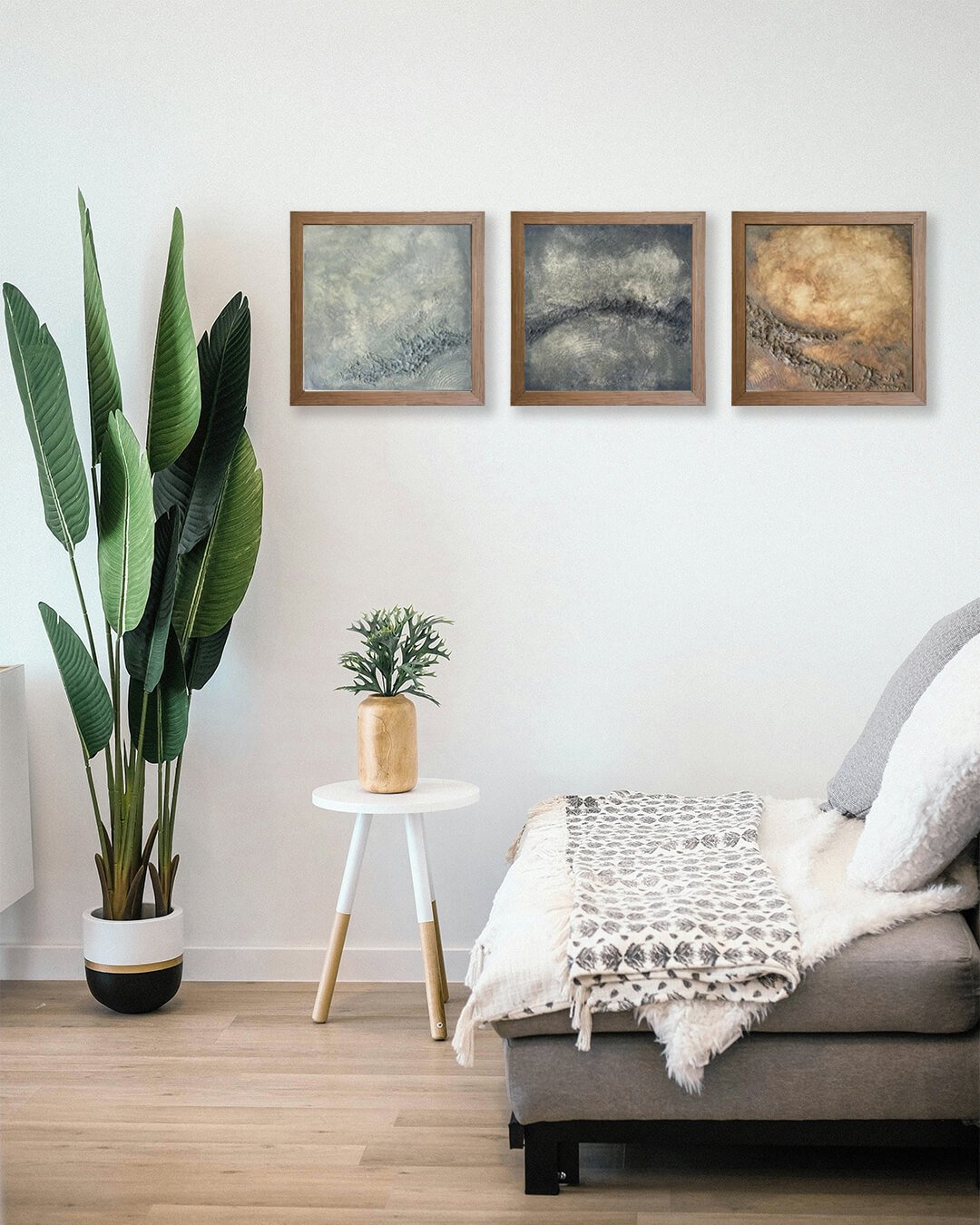
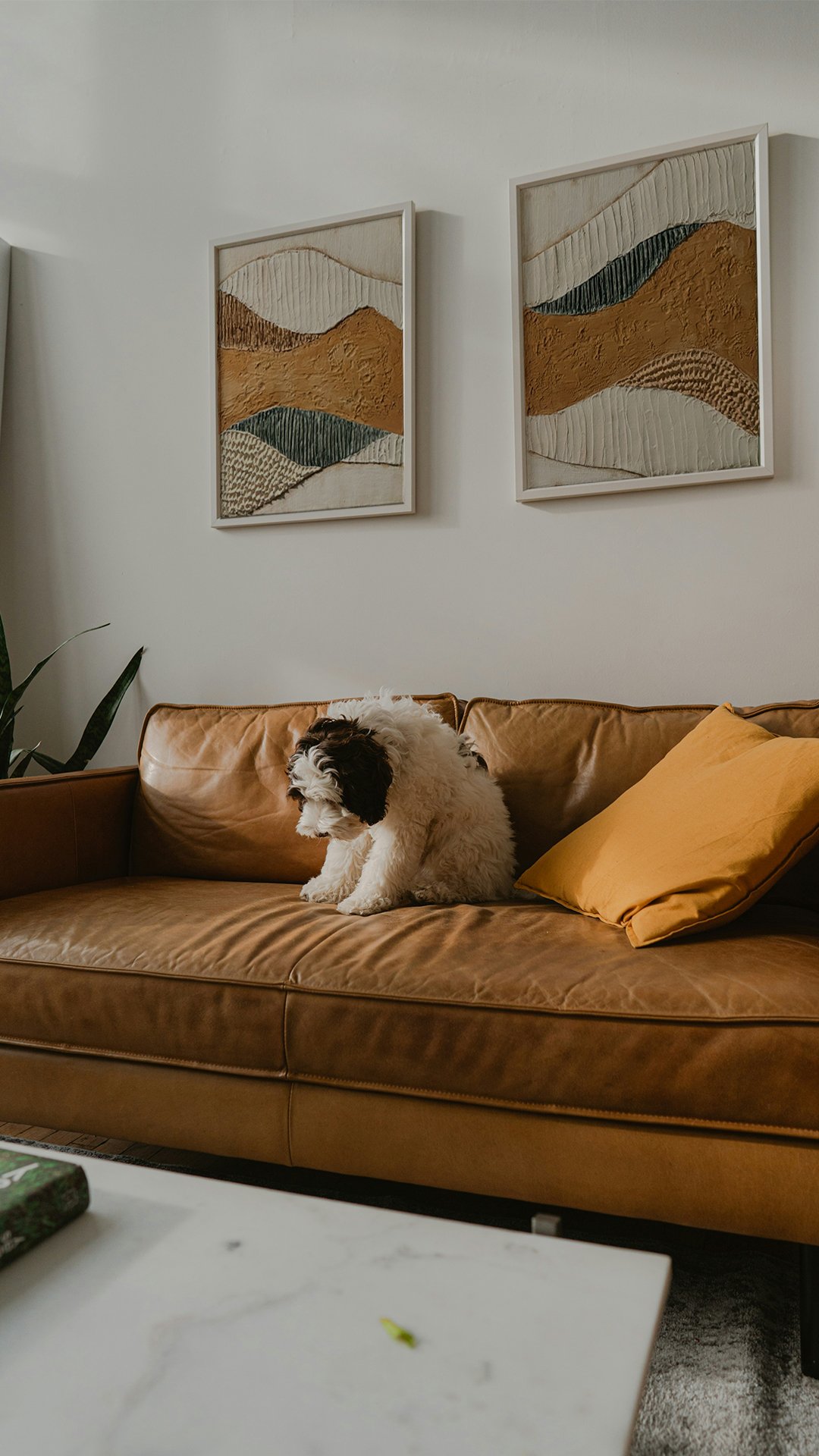
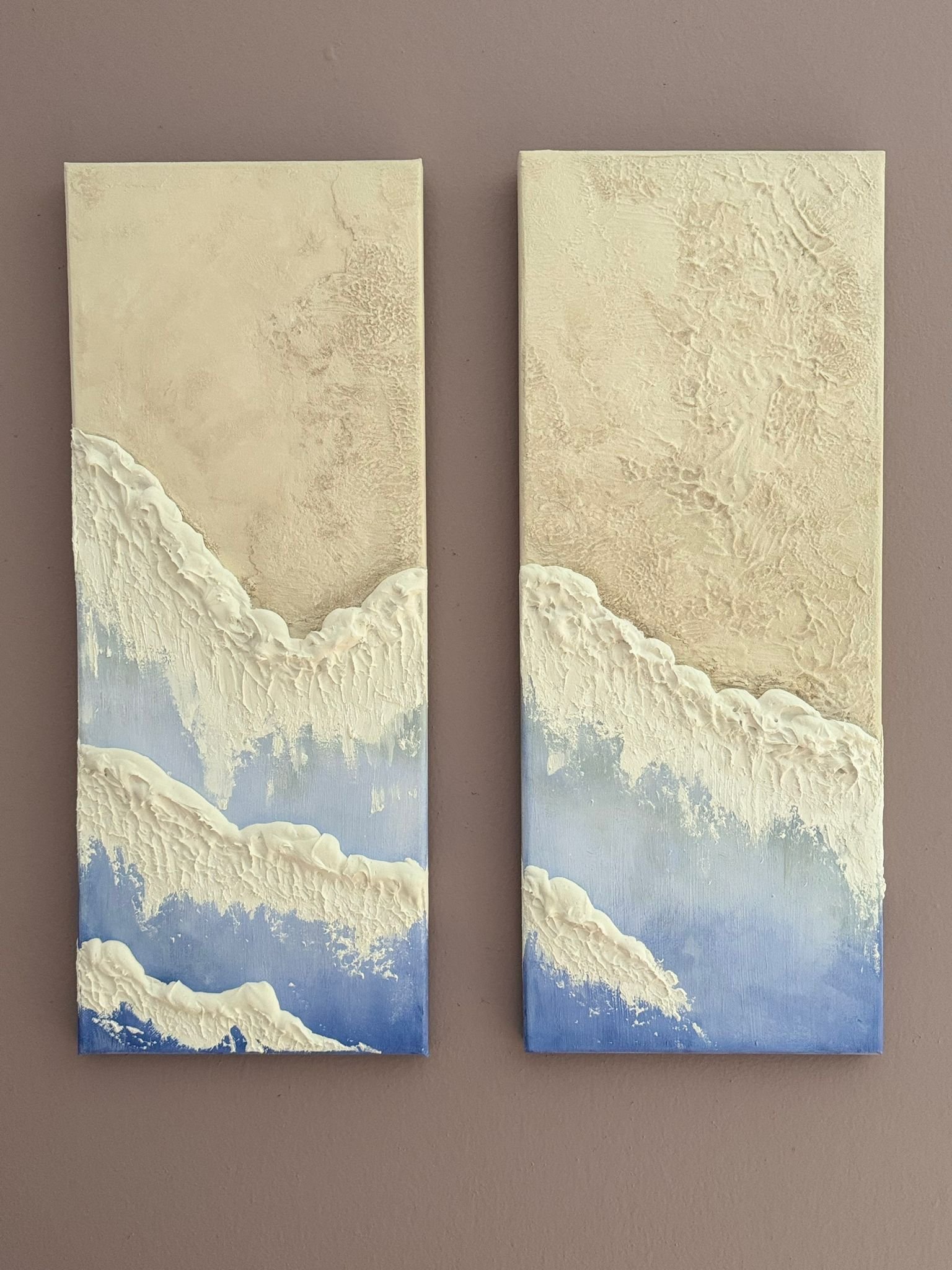
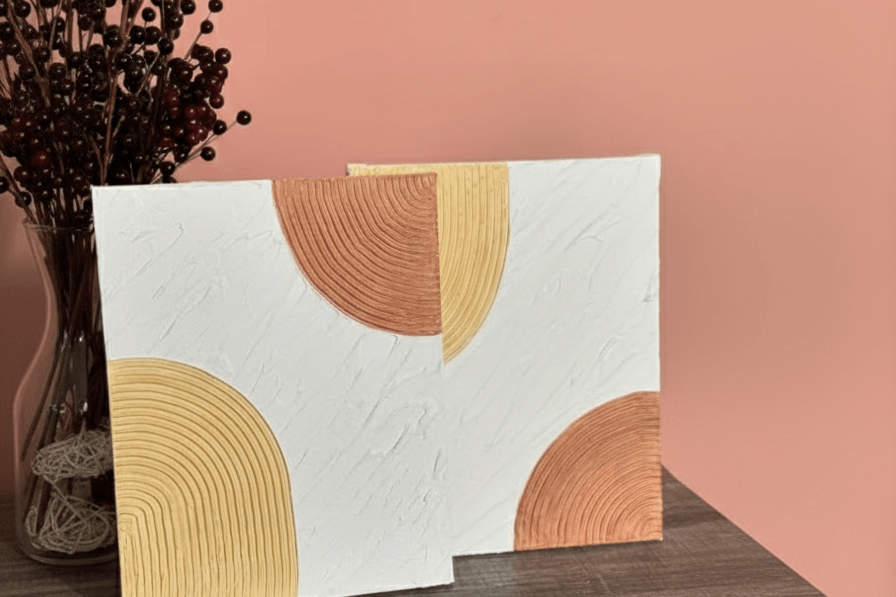
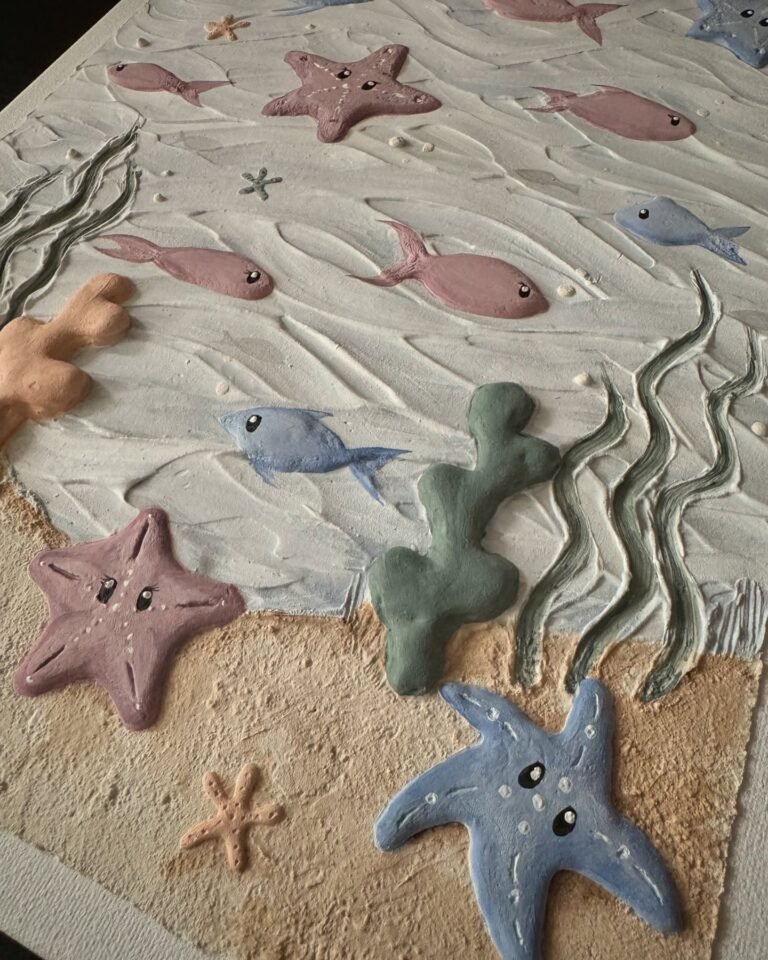
When we talk about DIY canvas art ideas, we’re looking at homemade or handcrafted paintings on canvas that go beyond flat brush strokes. For our purposes, we’re focusing on adding physical texture to the surface of the canvas to create wall art that is tactile-and visually interesting.
“Texture on canvas” means building up the surface of the painting so that parts of it physically protrude or dip. This isn’t just visual illusion; the texture is real. You’re sculpting with paint or additive materials before coloring or finishing.
This is especially powerful if you love organic style, neutral palettes, or just want something that feels more artisanal than factory-made.
Here is a friendly list of what to buy (or reuse) when creating textured acrylic canvas art:
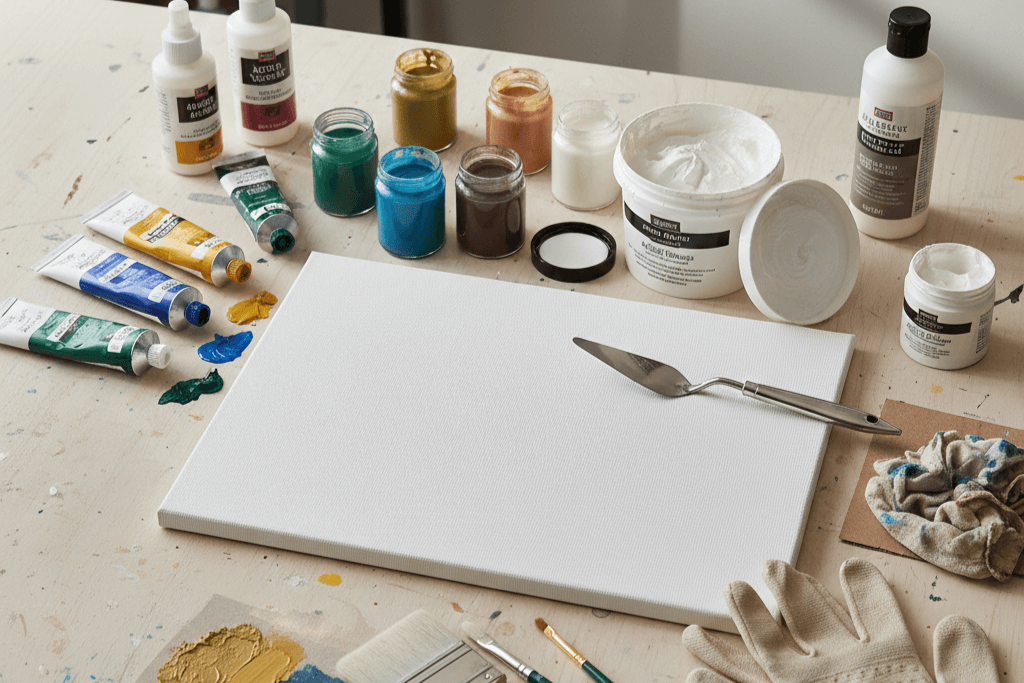
Here are some of the most effective and popular techniques to add texture to canvas using acrylics. You can mix and match, depending on how tactile or sculptural you want your art to be.
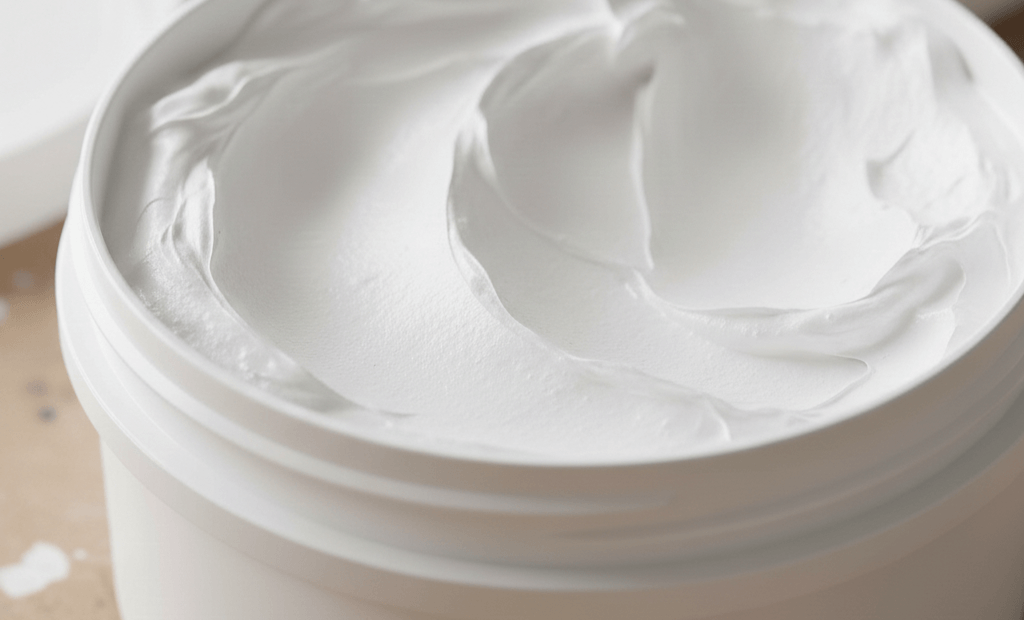
Impasto is a classic painting technique where you apply paint very thickly so that you can see brush or knife strokes. With acrylics, you can mix in a heavy-body gel medium, so the paint holds its shape. The result: textured ridges, peaks, and valleys that reflect light and create a three-dimensional feel.
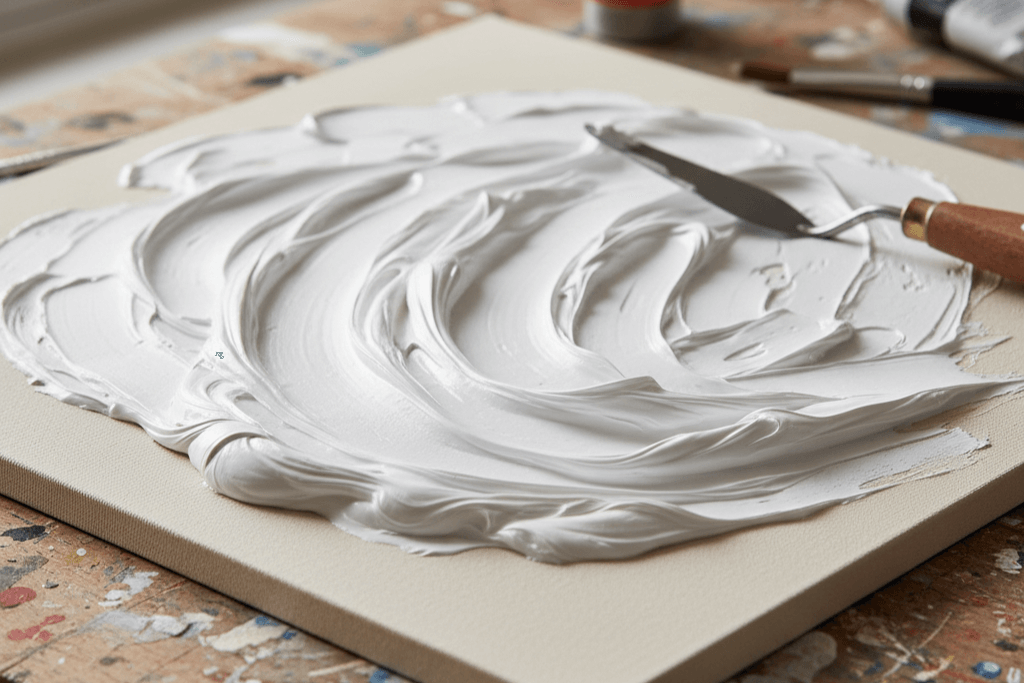
Modeling paste is thick, white, and sculptural. You apply it to canvas first, sculpt shapes and ridges, and after it dries, you paint over it. It’s a favorite for makers who want to build dramatic textures or abstract 3D patterns.
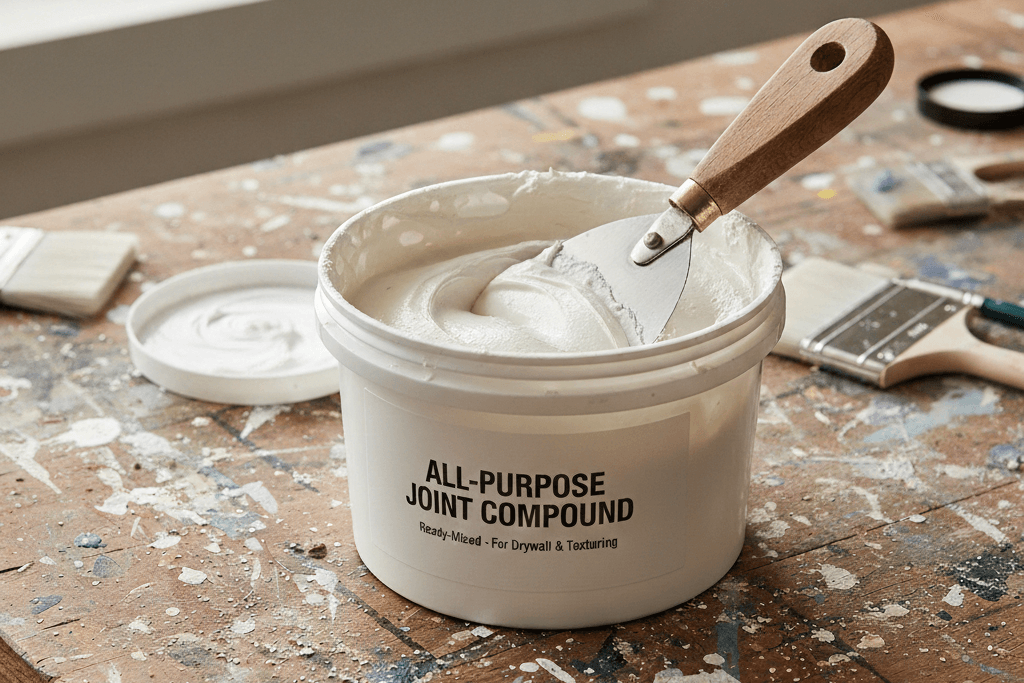
Some DIYers use joint compound – a material from drywall work-to build texture. It’s inexpensive, easy to shape, and dries hard. You can apply joint compound with a putty knife, texture it however you like, and then let it cure. Once dry, paint over it with acrylics to add color.
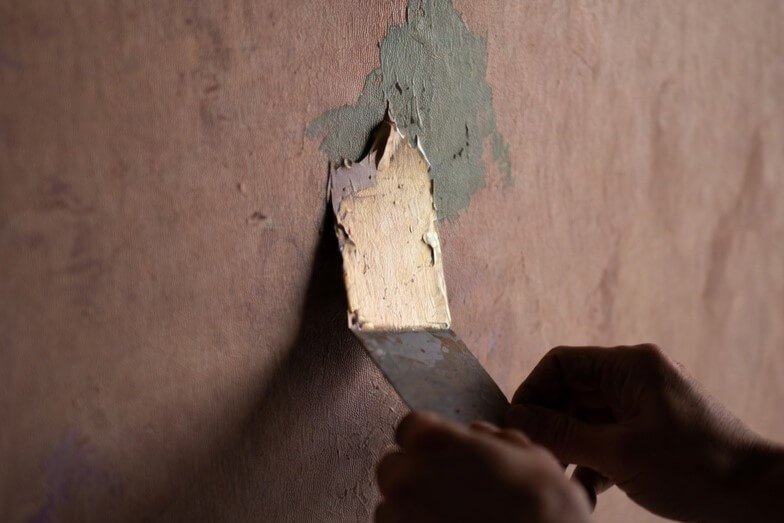
Grattage means “scratching.” Artists apply a thick layer of paint or medium, then scratch or scrape into it with a tool (like a palette knife or even a stick) to reveal interesting textures.
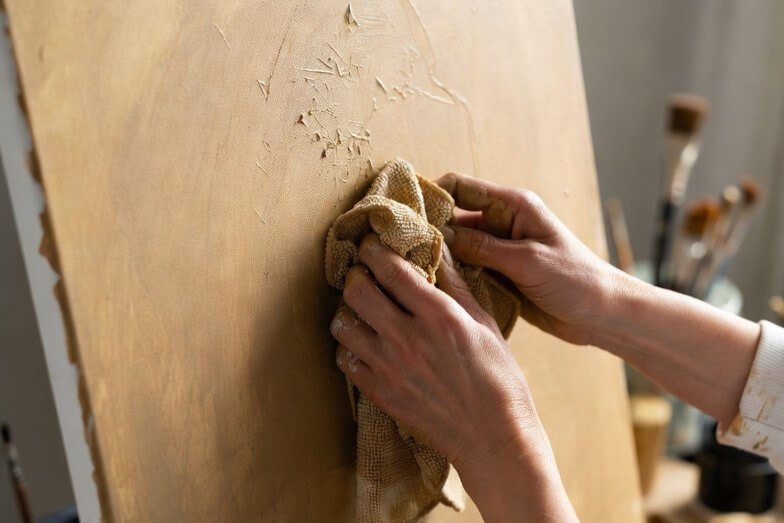
Rag painting (or ragging) is another way to build surface texture. You apply glaze, paint, or medium, then use a rag to manipulate the surface. The rag picks up some material and leaves behind other bits, giving you organic, soft texture.
Here’s how you can make do-it-yourself canvas wall art with texture, in a straightforward way:
Prepare your canvas
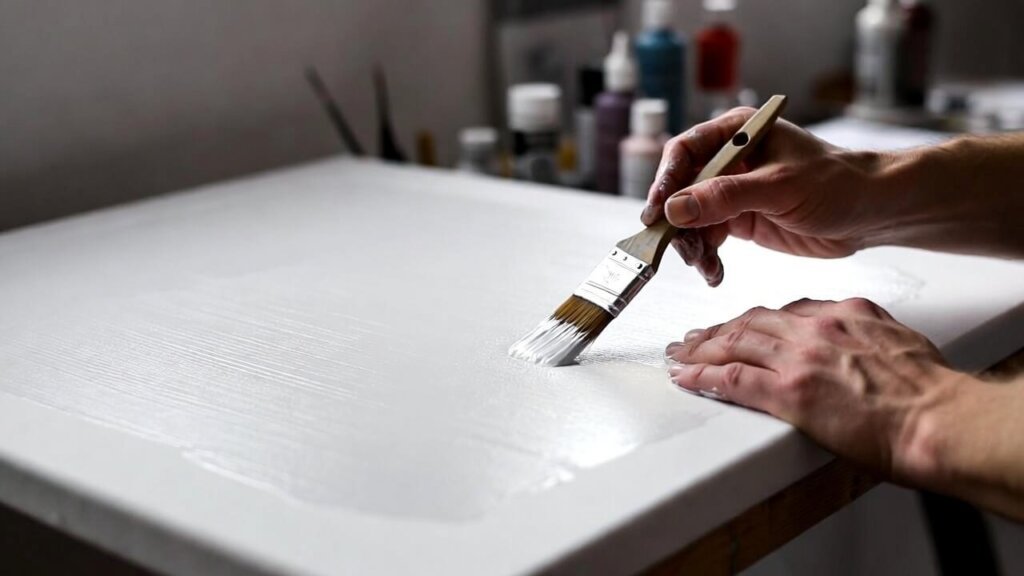
Make sure your canvas is ready. If it’s raw, you might want to apply a coat of gesso. That helps the texture medium adhere well.
Apply the texture medium
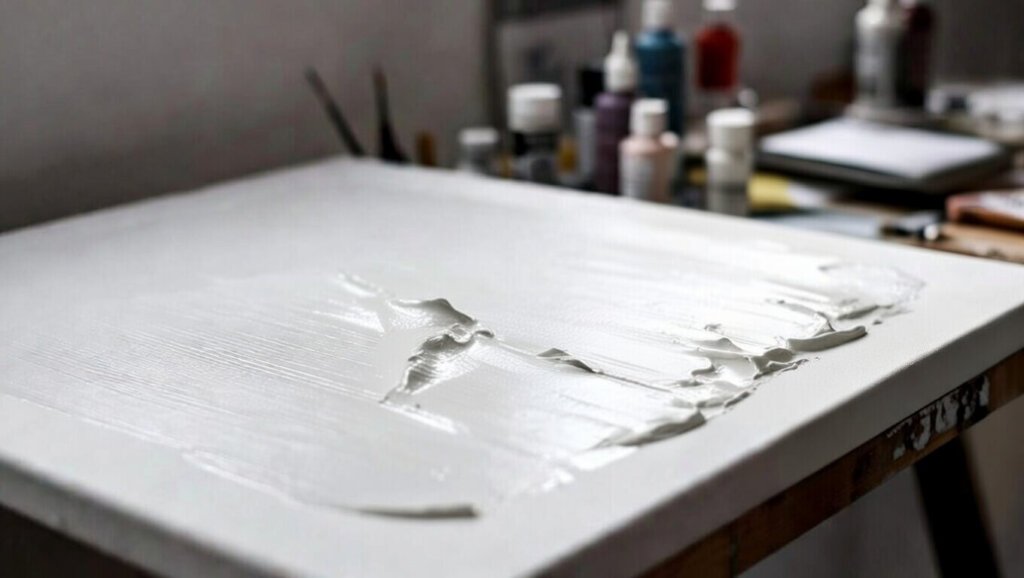
Use a palette knife to spread modeling paste, joint compound, or whatever texture material you’re using. You don’t need to go super thick, but leave enough so you can sculpt it.
Shape your texture
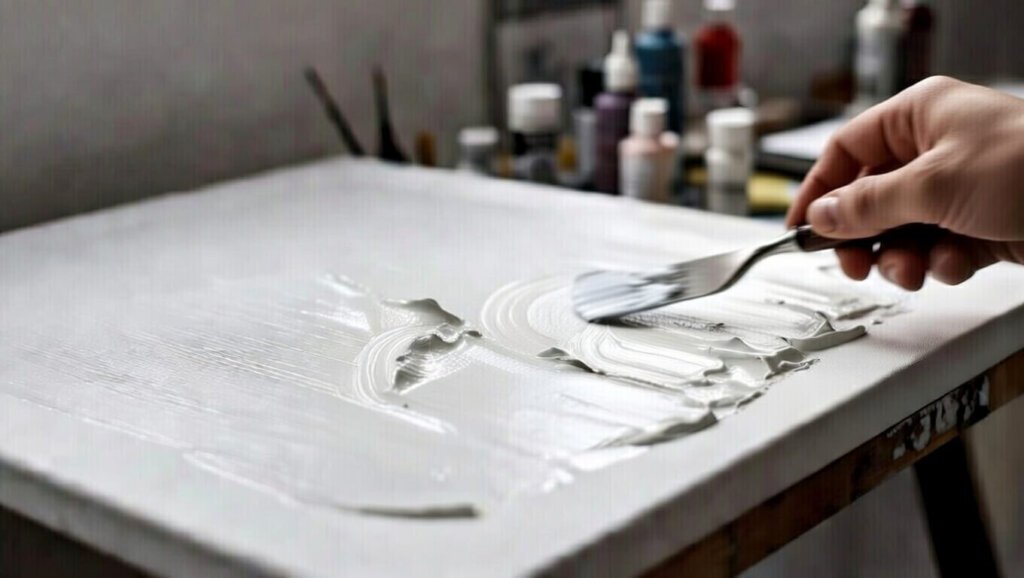
Use the palette knife, rag, or stencil to play with the surface. Create lines, swoops, ridges, or soft swirls-whatever feels natural. This is the “sculpting” part of your painting.
For soft, organic tones, browse textured neutral wall art that uses similar palettes.
Let it dry completely
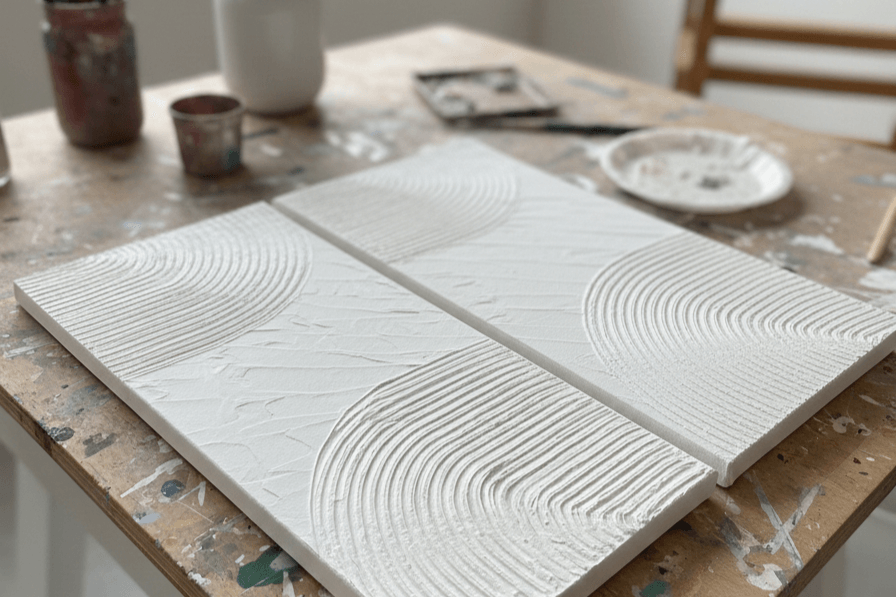
Texture mediums take time to cure. Be patient. If the paste or compound is thick, it may take 24 hours or more. Make sure it’s rock solid before you paint over it.
If you prefer bold shapes and movement, our abstract wall art collection is a good reference
Paint over your texture
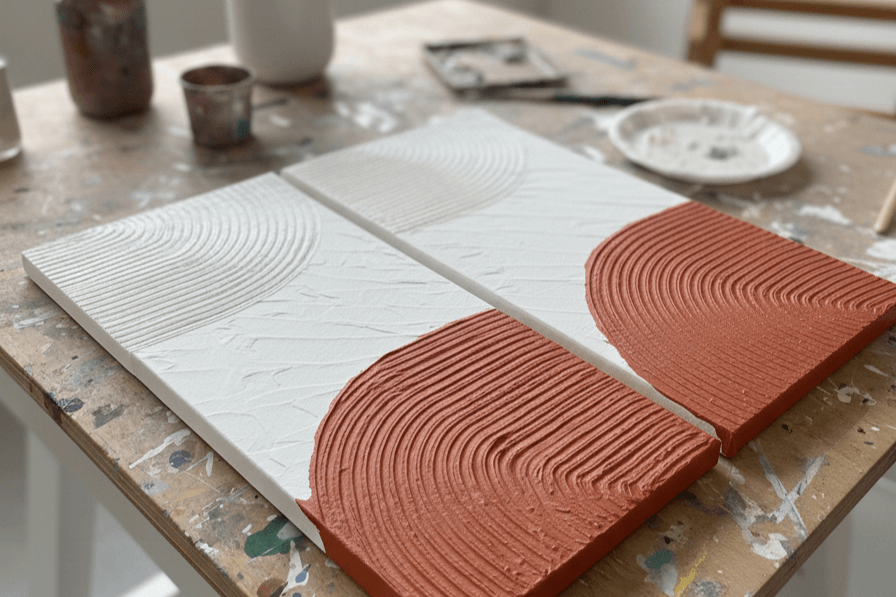
Once dry, apply acrylic paint. You can mix paint with fluid medium if you want a thinner wash, or use heavy-body paint for thick, rich color. Use a brush or palette knife, depending on the look you want.
Add more dimension if you like
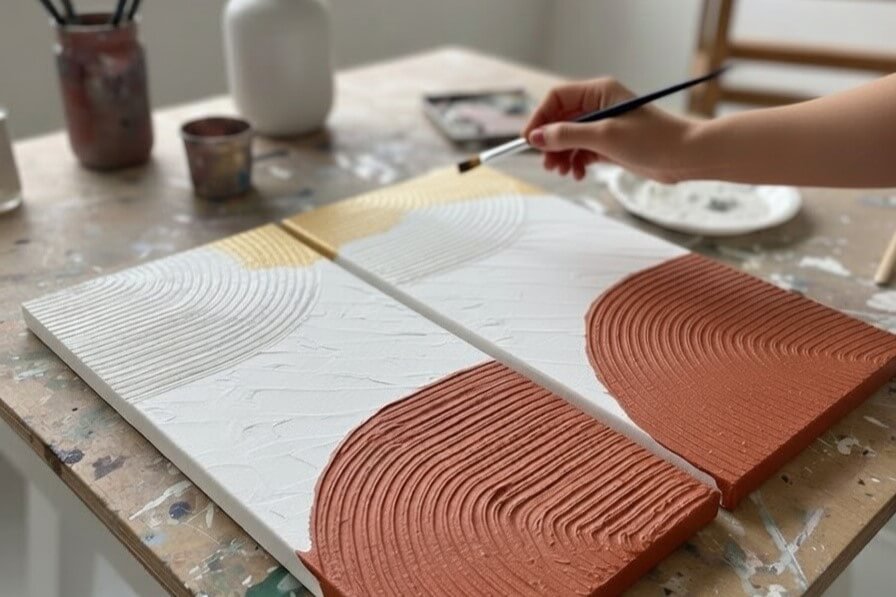
For added depth, layer different shades of paint or use metallic or gloss varnish accents. You can also go back in with more modeling paste in areas and re-texture.
Seal your artwork
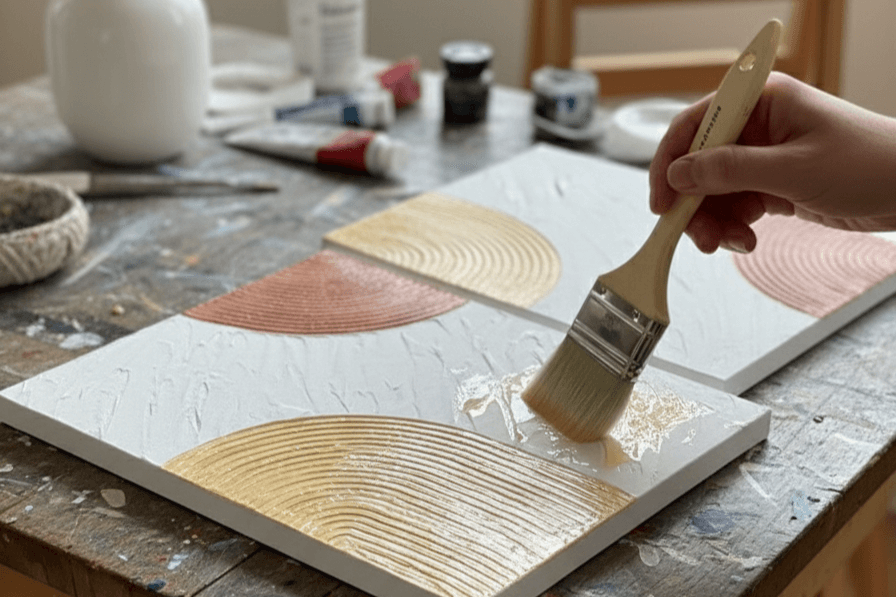
After all layers are fully dry, seal the canvas with a clear matte medium or varnish. This will protect the texture and keeps bits from flaking off.
Hang and enjoy
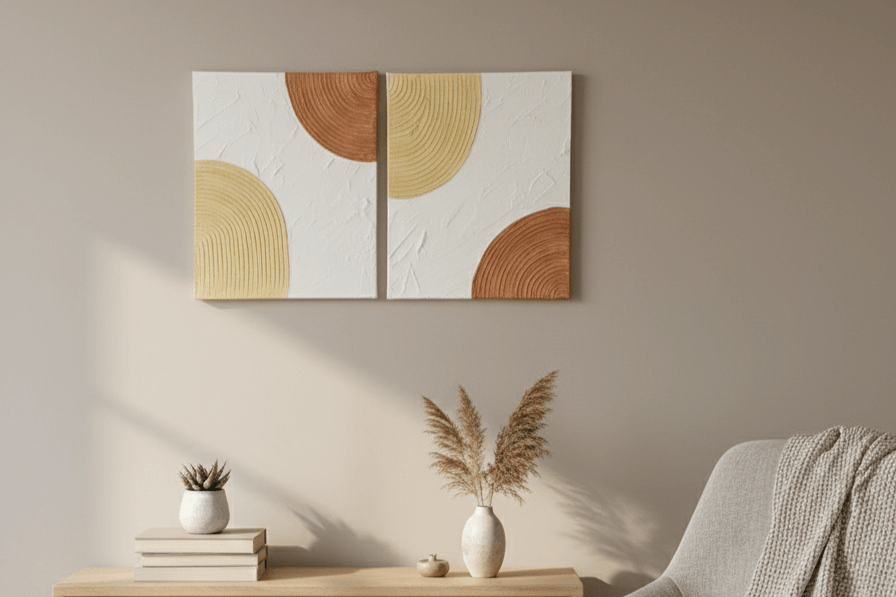
Choose a spot where your textured painting can breathe and where light hits it just enough to highlight the relief. Textured pieces often look best in calm, neutral spaces.
Read: Texture Painting on Canvas for Beginners
Sealing is super important. If you skip it, texture may flake or collect dust. Use a clear matte acrylic varnish or medium to protect the surface without adding shine. Apply thin, even coats, letting each layer dry fully. After sealing, handle the piece gently when you hang; richly textured areas are more fragile.
When I think about enhancing the aesthetic of my home, I often find myself drawn to canvas art. One aspect that truly captivates me is texture. Texture on canvas can transform a simple piece into something extraordinary, adding depth and intrigue to my wall decor.
Why bother with texture when making canvas art?
Adding texture can make a huge impact. A flat painting is lovely, but when you layer texture, you bring in richness and depth. Texture transforms simple wall decor into something that feels like a piece of sculpture or relief art. For an interior that’s inspired by nature or natural materials, textured canvas pieces feel more grounded, more real. They catch light in different ways, change throughout the day, and become a statement piece without needing bright colors. Texture also invites touch (if you’re comfortable with that), and even from a distance, it gives your artwork presence.
If you loved these DIY canvas wall art ideas, you should check out our textured neutral wall art collection at My Home Art & Decor. Dive in, create something soulful, and bring your walls to life.
Sign up to grab 10% off your first order and be the first to hear about new drops and exclusive deals!